

Ever felt like life's events are just a roll of the dice? Understanding probability is the key to demystifying the world of chance and making sense of the randomness that surrounds us.
Key Takeaways
- 1Your ultimate guide to probability fundamentals on YouTube.
- 2Learn to calculate basic probabilities with clear examples.
- 3Master essential rules for combined events.
- 4Unpack the power of conditional probability.
- 5Gain confidence interpreting random outcomes.
Who this is for
- If you're struggling to grasp basic probability concepts for school.
- If you're curious about how randomness influences data and decisions.
- If you're looking for clear, visual explanations of statistical ideas.
Start Learning with AI-Powered Video Summaries
Get instant summaries, ask questions, and turn any video into an interactive study session.
Try Querivo Free →Unlock the Secrets of Randomness: Probability Fundamentals Explained
Understanding probability is absolutely crucial, whether you're trying to predict the stock market, understand scientific research, or even just play a fair game. It’s the language of uncertainty, and learning its fundamentals can seriously boost your analytical skills. This curated list dives into some of the best YouTube videos that break down probability theory, making it accessible and, dare we say, enjoyable. We've sifted through the noise to bring you explanations that are both clear and engaging.
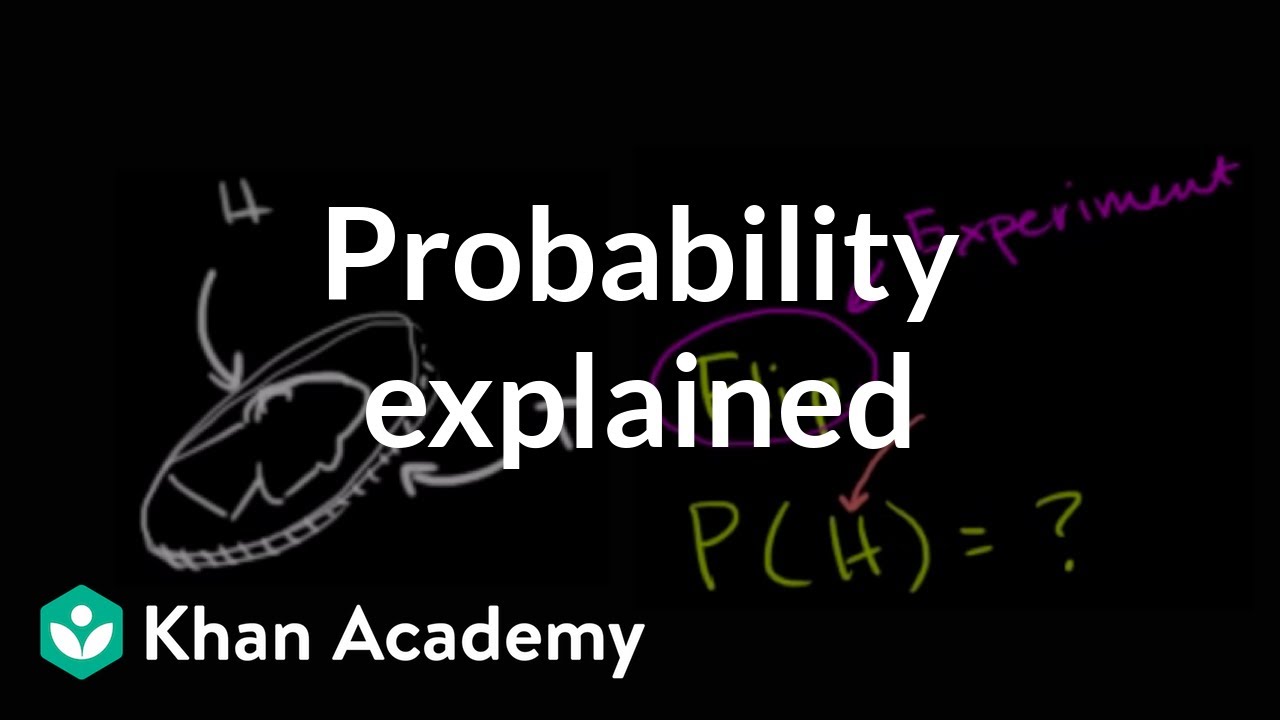
- This video defines probability as a measure of likelihood.
- You'll learn how to calculate probability using real-world scenarios.
Study This Video Deeper
Get an AI summary and ask questions about confusing parts in real-time.
Open in Querivo →Grasping the Odds: What Probability Really Means
So, what is probability, at its core? The Organic Chemistry Tutor's video tackles that exact question head-on with "Introduction to Probability, Basic Overview - Sample Space, & Tree Diagrams". You'll get a solid introduction to probability as the ratio of favorable outcomes to the total possible outcomes. It's a pretty straightforward concept, but seeing it laid out with relatable examples like sample spaces and tree diagrams makes all the difference. You’ll discover how to express these probabilities as fractions, decimals, and percentages, which is pretty handy for understanding different contexts. The creator walks you through identifying likely and unlikely events, showing you just how often probability pops up in everyday life. Honestly, understanding this foundational video is your first big step into the world of chance events. For practical application, try to list out the sample space for a simple event like flipping two coins and then calculate the probability of getting two heads.
The Pillars of Probability: Combining Events with Ease
But what happens when you're dealing with more than one event? That's where things get really interesting. The video "Probability explained | Independent and dependent events | Probability and Statistics | Khan Academy" by Khan Academy dives into the essential rules for calculating the probabilities of combined events, and it's a real game-changer for your understanding. You'll learn to differentiate between events that can't happen at the same time (mutually exclusive) and events that are completely unrelated (independent). Grasping this distinction is key, and the video reinforces this with two complementary approaches: the classical definition (favorable outcomes/total outcomes) and the empirical approach (frequency of outcomes over many trials). This dual perspective solidifies the concept's robustness. The creator clearly lays out the formulas for the Addition Rule (for "A or B") and the Multiplication Rule (for "A and B"), showing you exactly when and how to apply them. It’s surprisingly helpful for breaking down complex scenarios into manageable parts. A practical tip here is to practice identifying whether events in a given scenario are independent or dependent before even attempting to calculate their combined probability.
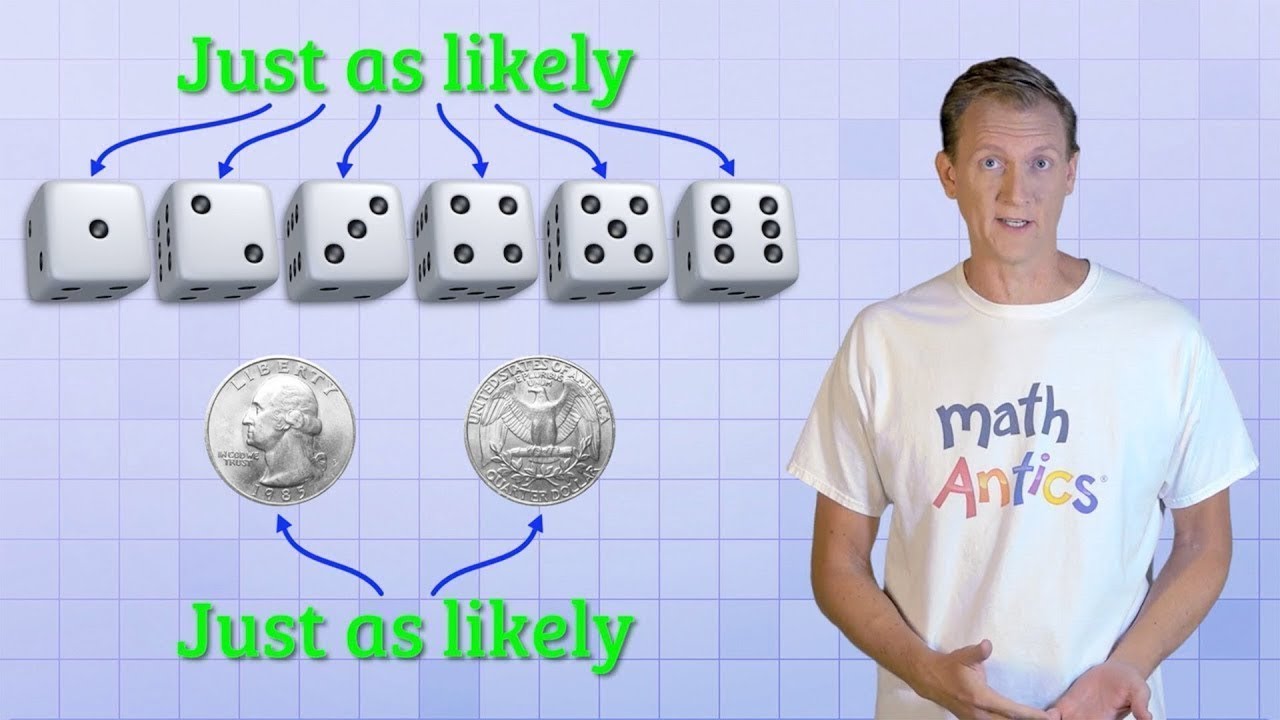
- Understand the Addition and Multiplication Rules for combined events.
- Differentiate clearly between mutually exclusive and independent events.
When 'Given' Matters: Unpacking Conditional Probability
Here’s a concept that often trips people up, but it's absolutely vital for a deep understanding of probability: conditional probability. The video "Math Antics - Basic Probability" breaks it down beautifully. Essentially, it’s about the probability of an event happening given that another event has already occurred. Sounds a bit abstract, right? But the creator makes it super clear with straightforward examples. You'll learn the specific notation, and the formula that connects it all. Visualizing this really helps solidify the idea of a "narrowed sample space." Honestly, once you get this, a whole new layer of statistical analysis opens up. To practice, think about drawing cards from a deck: what's the probability of drawing a King, given that you've already drawn a face card?
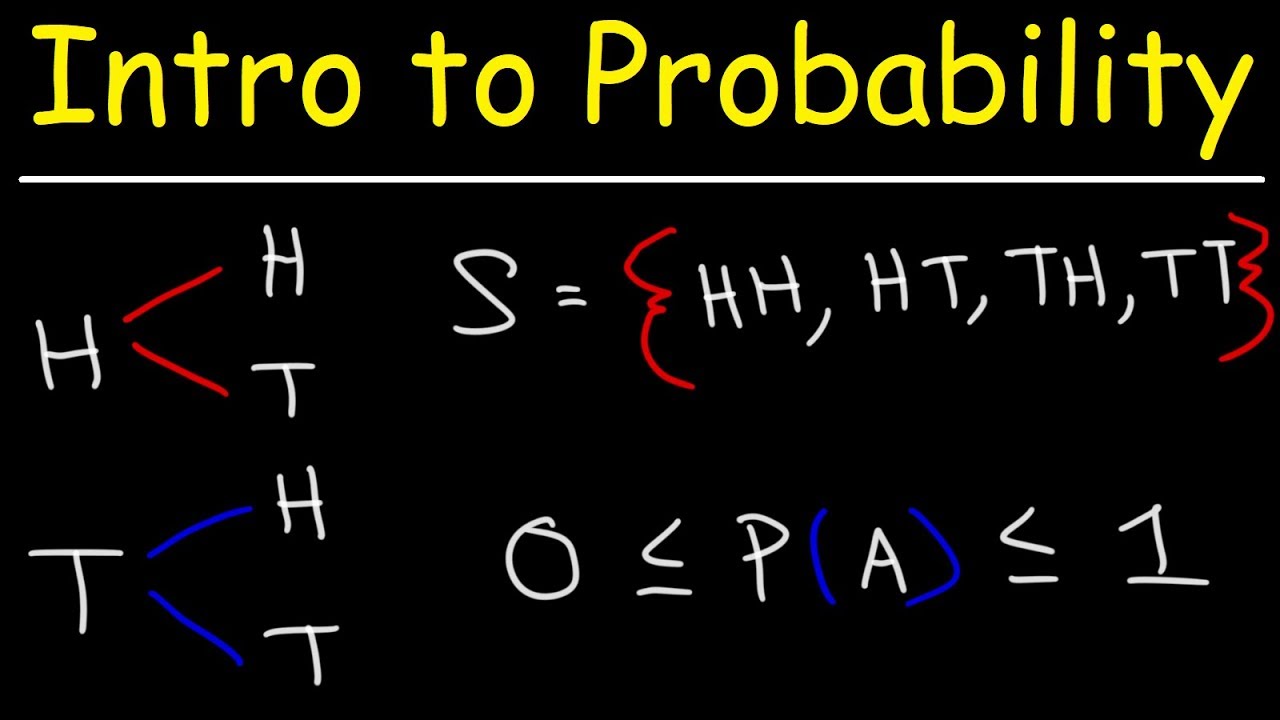
- Grasp the meaning and notation of conditional probability (P(A|B)).
- Learn how prior events influence future probabilities.
The Spectrum of Probability: From Impossible to Certain
Let's bring it all back to the basics with "The Main Ideas behind Probability Distributions" by StatQuest with Josh Starmer. While this video delves into distributions, it effectively demystifies a potentially complex topic by breaking it down into digestible, visual components and building intuition from a simple example. It emphasizes the practical advantages of using smooth curves to represent distributions, which ties directly into understanding the range of probabilities. You’ll get a crystal-clear picture of how probability ranges from 0 (an impossible event) all the way to 1 (a certain event). It’s a fantastic way to solidify your understanding by looking at common examples like coin tosses, dice rolls, and card games. The creator makes sure you can distinguish between events that absolutely will not happen and those that are guaranteed. This video serves as a really solid anchor point, ensuring you have that fundamental framework firmly in place before you move on to more complex topics. For a practical exercise, try to categorize everyday events based on their likelihood, assigning them a probability value between 0 and 1.

- Probability always falls between 0 (impossible) and 1 (certain).
- Calculate probabilities for everyday random events like coin flips and dice rolls.
Your Next Steps
By mastering the basic definitions, the addition and multiplication rules, and the nuances of conditional probability, you'll gain a powerful toolkit for interpreting randomness and making informed decisions. These YouTube videos offer excellent starting points for your probability journey. Remember, practice is key. Try to apply these concepts to simple games or real-world scenarios you encounter daily.
Your Action Items
- ☐Pick one video from above and watch it on Querivo
- ☐Ask questions and check summaries while watching without breaking your flow
- ☐Use the AI chat to clarify confusing parts and deepen understanding
- ☐Come back for more curated videos on topics you want to master
Ready to put your new knowledge to the test? Try solving some probability problems or explore real-world data where these concepts apply!
Turn Any YouTube Video into an Interactive Lesson
Paste any video link, get an instant AI summary, and ask questions in real-time.
Try Querivo Free →Related Videos You Might Enjoy
Looking for more perspectives on this topic? Here are some additional videos worth checking out:
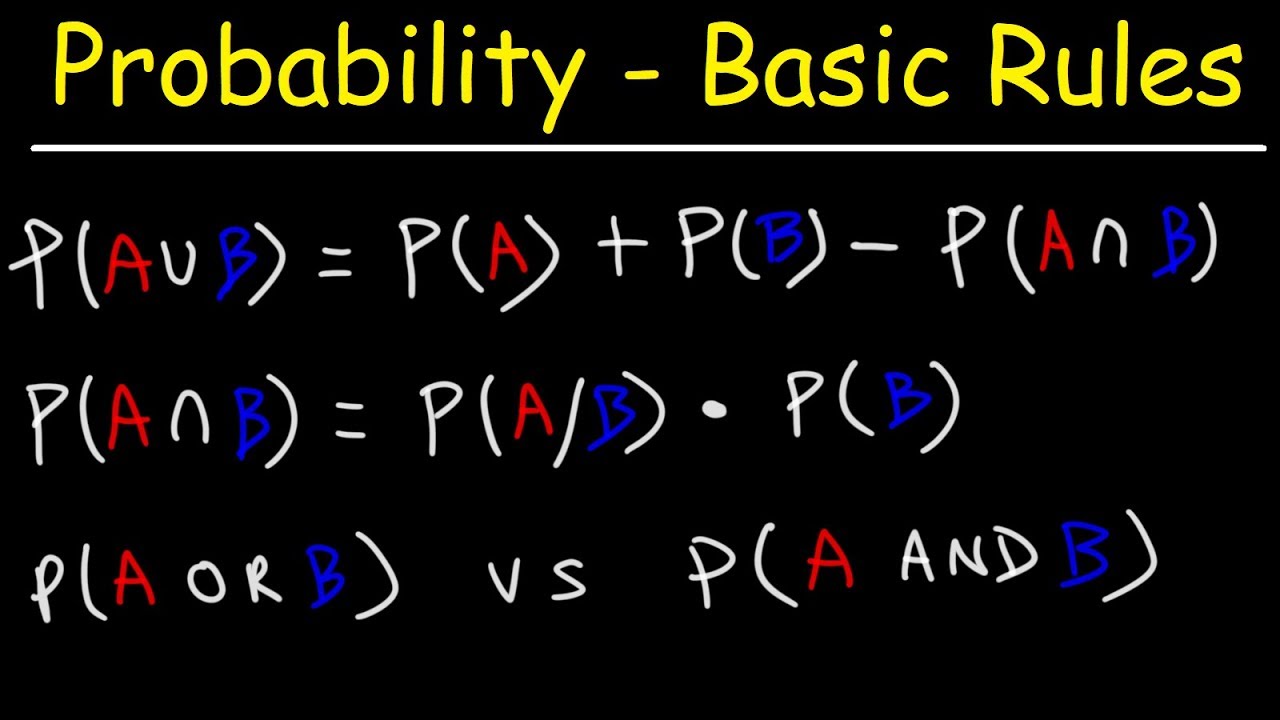
Multiplication & Addition Rule - Probability - Mutually Exclusive & Independent Events
This video explains the fundamental Addition Rule and Multiplication Rule in probability. It differentiates between mutually exclusive and independent events, providing formulas and examples for calculating the probability of 'A or B' and 'A and B' occurring.
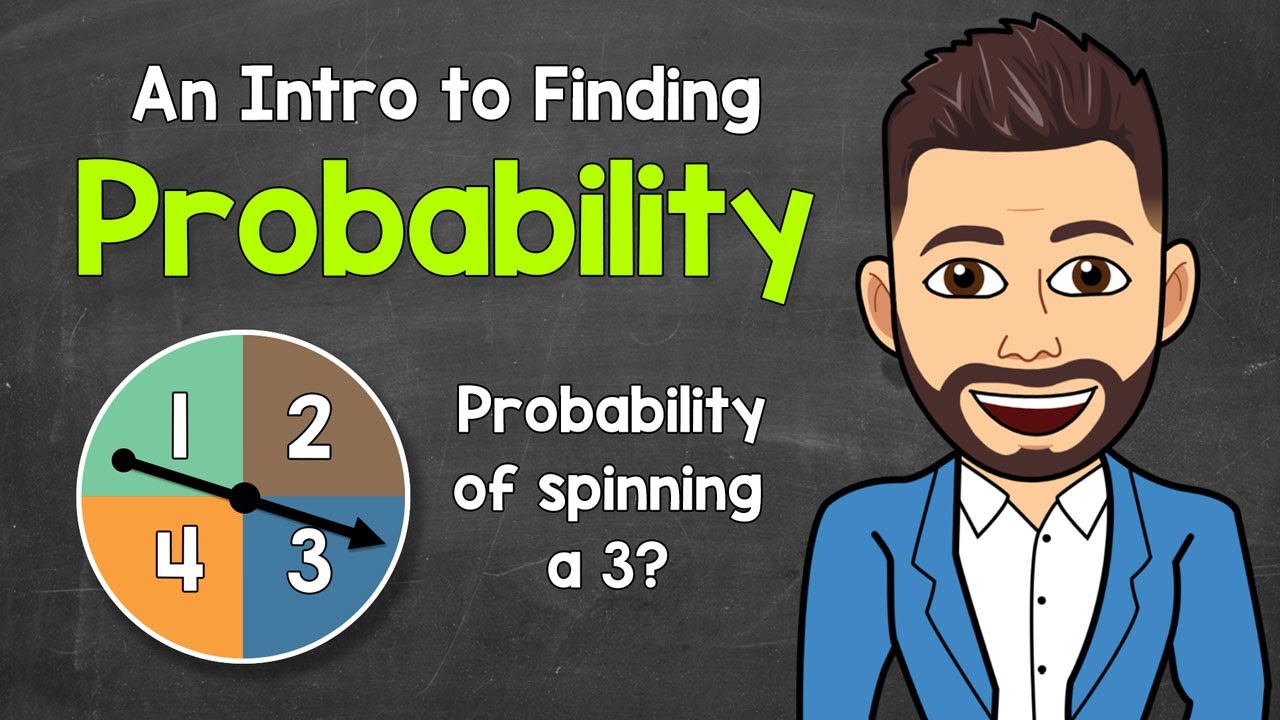
An Intro to Finding Probability | Basic Probability | Math with Mr. J
This video provides a basic introduction to probability, explaining it as the measure of how likely an event is to occur. It breaks down the probability formula: favorable outcomes divided by total possible outcomes, and demonstrates its application through examples involving a spinner and picking marbles, showing results as fractions, decimals, and percentages.
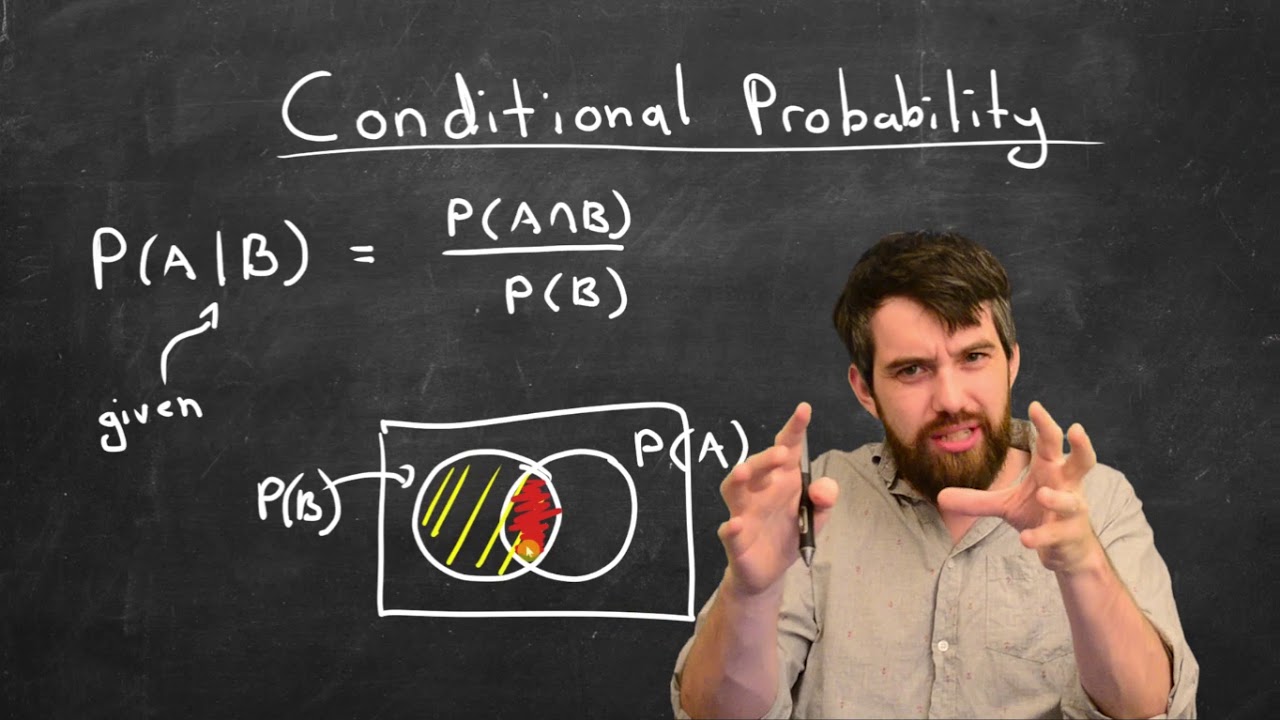
Intro to Conditional Probability
This video introduces the concept of conditional probability, explaining how to calculate the probability of an event occurring given that another event has already happened. It defines the notation and formula for conditional probability and illustrates its application with a practical example.
What is Probability? (GMAT/GRE/CAT/Bank PO/SSC CGL) | Don't Memorise
This video introduces the fundamental concept of probability, defining it as the ratio of favorable outcomes to the total possible outcomes. It clarifies that probability values range from 0 (impossible event) to 1 (certain event) and illustrates this with practical examples involving coin tosses, dice rolls, and card decks.