
Dreaming of unraveling the mysteries of the universe but find physics daunting? You're not alone!
Key Takeaways
- 1Master core physics concepts from top YouTube videos.
- 2Understand waves, motion, and electricity with expert guidance.
- 3Get a strategic roadmap to learn physics efficiently.
- 4Build a strong foundation for your scientific journey.
- 5Explore complex ideas with clear, visual explanations.
Who this is for
- If you're a high school student struggling with physics assignments
- If you're an aspiring scientist eager to grasp fundamental principles
- If you're a curious learner looking to understand the world around you
Start Learning with AI-Powered Video Summaries
Get instant summaries, ask questions, and turn any video into an interactive study session.
Try Querivo Free →Grasping the Rhythmic Dance of Waves: Frequency & Wavelength
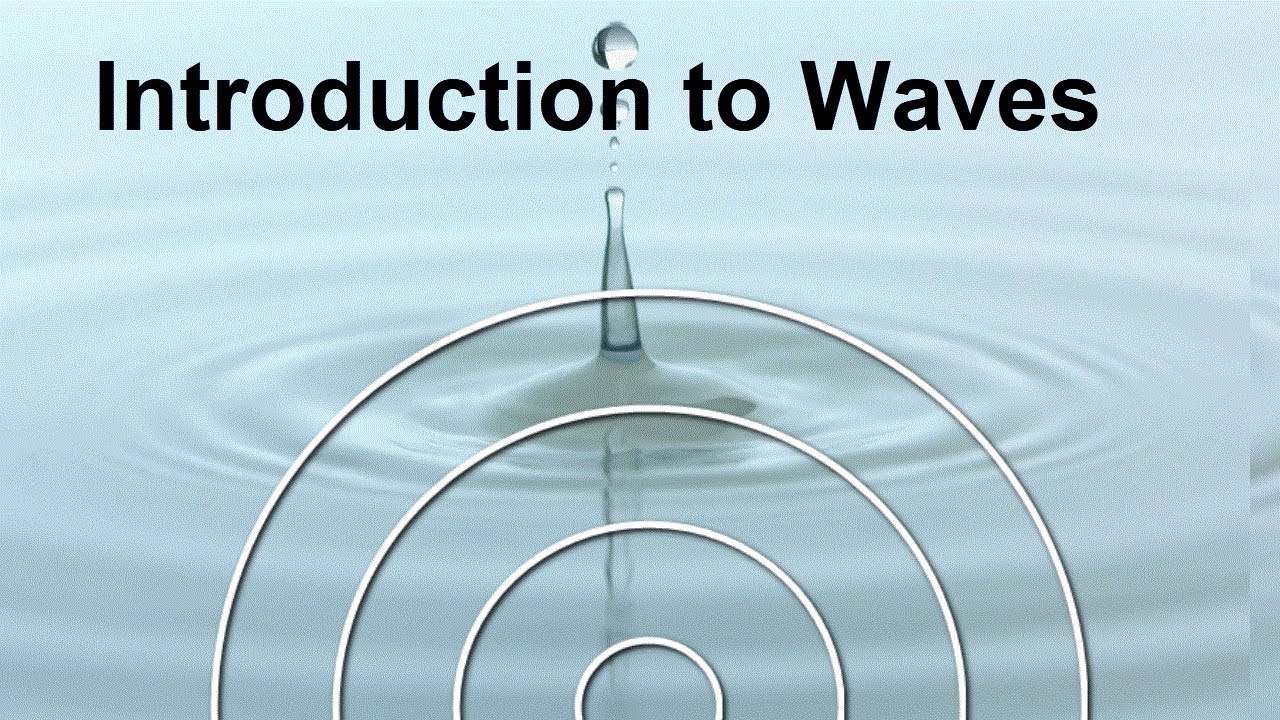
Physics often starts with understanding the fundamental ways things move and interact. Waves, in particular, are everywhere – from sound traveling to your ears to light illuminating your world. This introductory video helps demystify these often abstract concepts by using something we can all relate to: water waves. It’s a surprisingly effective way to visualize core wave properties.
You'll learn what wavelength, amplitude, speed, and frequency actually mean in this brief but impactful five-minute lesson. What's really neat is how it visually shows the inverse relationship between frequency and wavelength – essentially, how fast a wave is oscillating versus how spread out its peaks are. This fundamental understanding is pretty crucial for so many areas of physics.
This video is definitely for beginners. If you've ever felt lost when someone starts talking about wave mechanics or just need a clear, visual primer on these basic wave characteristics, this is a fantastic starting point. It sets the stage perfectly, making those later, more mathematical explanations feel much more accessible.
- Visualize key wave properties like wavelength and frequency.
- Understand the inverse relationship between frequency and wavelength.
Study This Video Deeper
Get an AI summary and ask questions about confusing parts in real-time.
Open in Querivo →Demystifying Motion: The Essentials of Kinematics
Once we get a handle on waves, the next big piece of physics fundamentals is understanding motion itself. How do things move? What forces are involved? Kinematics is the branch that describes motion, and it’s absolutely foundational. This video dives straight into the core concepts, helping you differentiate between the ways we measure movement.
You'll learn the crucial distinction between distance and displacement – a difference that trips up a lot of beginners. Plus, it clarifies the concepts of velocity versus speed, and importantly, introduces acceleration. Grasping these terms accurately is vital for any serious study of physics, as they form the building blocks for more complex calculations and theories. It's not just about what moves, but how it moves.
This video is perfect for anyone just starting out with physics. If you're in high school, prepping for university physics, or just generally curious about mechanics, this tutorial will give you a solid bedrock of understanding. It’s the essential primer before you tackle anything involving forces or energy.
- Differentiate between distance, displacement, speed, and velocity.
- Understand the core concept of acceleration in describing motion.
Unlocking the Secrets of Electricity: From Atoms to Circuits
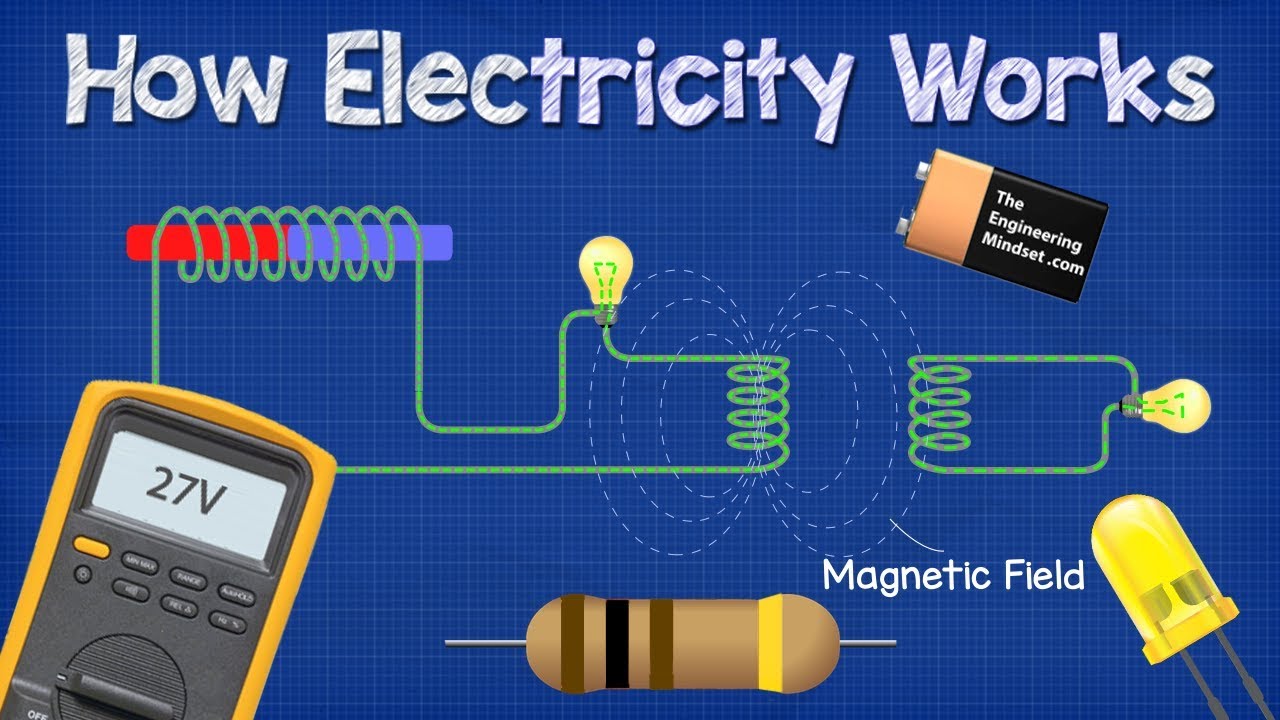
Electricity is one of those phenomena that powers so much of our modern lives, yet its inner workings can seem like pure magic. This video aims to demystify it, starting right from the ground up. It’s a comprehensive, yet surprisingly accessible, introduction to what electricity is and how it operates.
You'll journey from the atomic structure, understanding the role of those tiny, crucial electrons, to grasping concepts like conductors and insulators. The video explains voltage, current, and resistance – the holy trinity of electrical understanding. Plus, it touches on more advanced topics like electromagnets, induction, and the difference between AC and DC power. Pretty solid coverage for a beginner-friendly explanation!
This is a must-watch if you're looking to build a fundamental understanding of electricity. It's particularly valuable for students needing a clear, step-by-step explanation of electrical principles, or anyone interested in electronics and how our devices actually work. It makes the abstract tangible.
- Explore the atomic basis of electricity and electron behavior.
- Grasp voltage, current, and resistance for basic circuit understanding.
Study This Video Deeper
Get an AI summary and ask questions about confusing parts in real-time.
Open in Querivo →Mastering Physics in 3 Months: A Strategic Blueprint for Success
Okay, so you've got a handle on some core concepts, but how do you actually master physics? It can feel like a marathon, especially with complex math and abstract ideas. This video offers a seriously practical and actionable strategy for tackling physics, particularly if you're aiming for competitive exams or just want a structured approach.
The creator addresses common learning hurdles head-on, which is incredibly helpful. They outline a clear, three-step method: first, truly understand the basics; second, practice problems relentlessly; and third, master the necessary math. What really stands out is the chapter-by-chapter learning blueprint, which helps you prioritize topics effectively and build knowledge logically.
This video is a game-changer for anyone feeling overwhelmed by the sheer volume of physics. If you’re looking for a roadmap to efficient study, struggling with problem-solving, or just want a structured plan to accelerate your learning, this is the one to watch. It provides not just what to learn, but how to learn it effectively.
- Implement a structured 3-step learning method: understand, practice, master math.
- Follow a chapter-by-chapter blueprint for focused study.
Your Next Steps
Mastering physics fundamentals is an achievable goal with the right resources. From visualizing waves and understanding motion to delving into electricity and adopting effective study strategies, YouTube offers a powerful, free platform for learning. These curated videos provide a fantastic starting point for anyone looking to build a solid grasp of core physics principles.
Your Action Items
- ☐Pick one video from above and watch it on Querivo
- ☐Ask questions and check summaries while watching without breaking your flow
- ☐Use the AI chat to clarify confusing parts and deepen understanding
- ☐Come back for more curated videos on topics you want to master
Ready to build your physics foundation? Start exploring these recommended videos today and unlock your scientific potential!
Turn Any YouTube Video into an Interactive Lesson
Paste any video link, get an instant AI summary, and ask questions in real-time.
Try Querivo Free →Related Videos You Might Enjoy
Looking for more perspectives on this topic? Here are some additional videos worth checking out:
Physics for Absolute Beginners
kinematics - the basics.
This video introduces the fundamental concepts of kinematics, distinguishing between distance and displacement, and defining velocity and acceleration. It emphasizes the vector nature of displacement and velocity, contrasting them with their scalar counterparts, distance and speed.

What is Force? - Part 1| Forces and Motion | Physics | Infinity Learn NEET
This video explains the concept of force, moving beyond the simple definition of a push or pull. It clarifies that forces are always acting on objects, even when they are stationary, and that motion or lack thereof depends on the net force being balanced or unbalanced. The video emphasizes that an object in motion will continue at a uniform velocity unless acted upon by an external force.
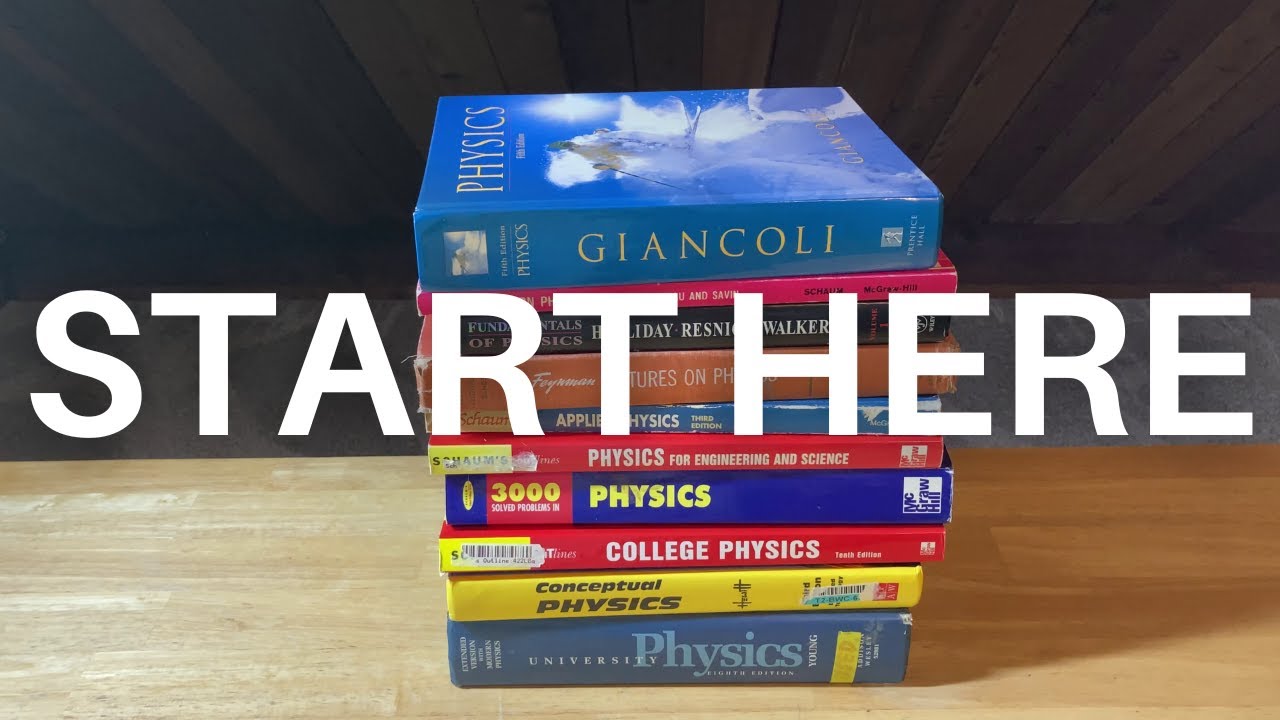
Want to study physics? Read these 10 books
This video recommends 10 books for aspiring physics students, divided into popular science books for general introductions and textbooks to get ahead before university. It covers classics by Feynman, books on mathematics, modern physics, quantum mechanics, and essential textbooks for undergraduate study.