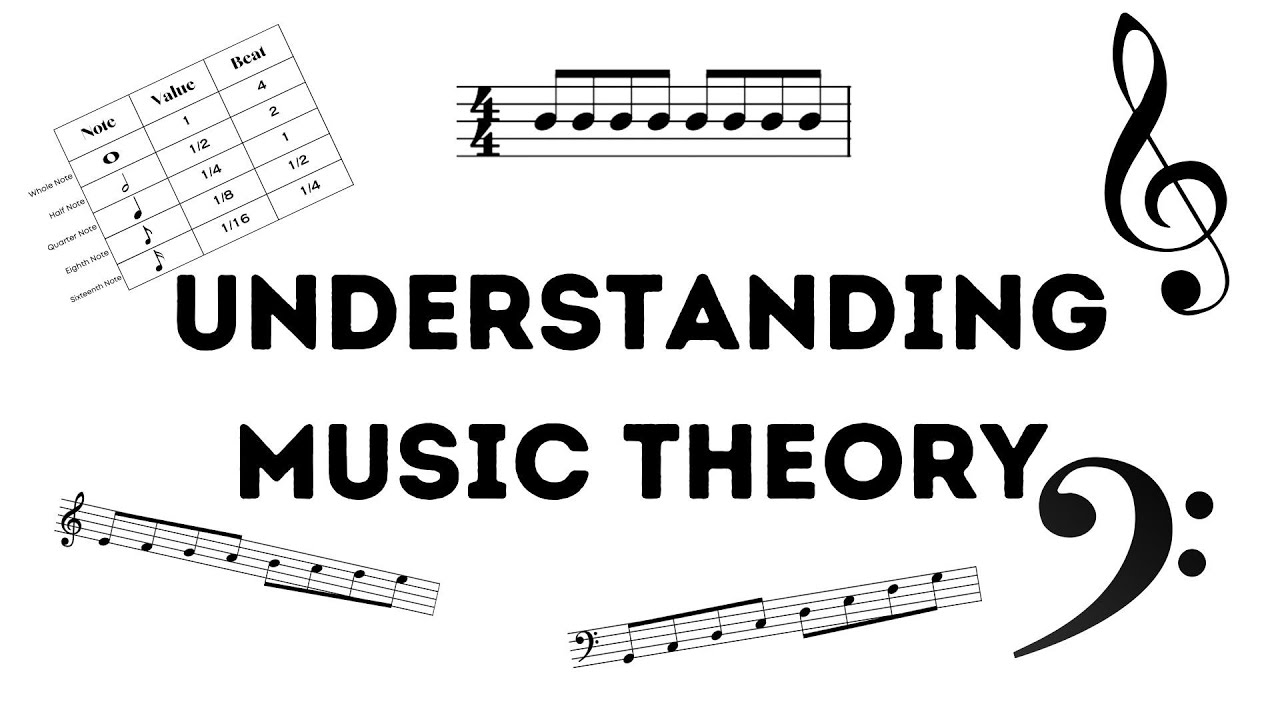

Ever feel like music theory is a secret language only virtuosos understand? You're not alone! This guide breaks down the essential building blocks of music into digestible concepts, all explained by expert YouTube creators. We'll dive into specific videos that offer clear explanations and practical insights, helping you build a solid musical foundation.
Key Takeaways
- 1Learn essential music theory concepts easily.
- 2Understand scales, chords, intervals, and rhythm.
- 3Gain confidence in your musical abilities.
- 4Unlock new creative possibilities for composing.
- 5Build a solid musical foundation with expert videos.
Who this is for
- If you're a beginner musician feeling overwhelmed by theory,
- If you're an intermediate player looking to deepen your understanding,
- If you're a composer or songwriter wanting to expand your toolkit,
Unlock the Building Blocks: Notes, Scales, and Intervals
It's easy to get lost in the technical jargon of music theory, but understanding the absolute fundamentals is surprisingly accessible. The video "music theory is easy." by NoMad is a fantastic starting point for anyone looking to grasp the basic vocabulary of music. It walks you through how notes get their names, the construction of those fundamental scale patterns, and the relationships between different notes – what we call intervals. You'll discover how simple patterns repeat across instruments, making the concepts universally applicable. Plus, this video offers a quick peek into how these notes combine to form basic chords, giving you a glimpse of the harmonic landscape to come. This is definitely where you want to start if you're just dipping your toes into the world of Music Theory Basics YouTube.
Viewer Tip: As you watch, try to identify the notes on your own instrument or visualize them on a keyboard. This active engagement will significantly improve your retention.
- Learn the names and relationships of musical notes.
- Understand how major and minor scales are built.
- Grasp the concept of musical intervals.
Mastering the Pulse: Rhythm, Tempo, and Time Signatures
Music isn't just about the notes you play; it's also about when you play them. The video "The BASICS Of Music Theory EXPLAINED (in 10 minutes)" by Rick Beato dives headfirst into the rhythmic heart of music, explaining the concepts that keep everything together. You'll get a clear understanding of tempo – how fast or slow a piece of music should be – and the importance of using a metronome to develop a solid internal clock. Rick Beato's clear and concise explanation demystifies time signatures, especially the ubiquitous 4/4. You'll learn how note values fit together and how measures organize musical ideas. Understanding these elements is absolutely crucial for playing in time and making your music feel cohesive. It’s a pretty solid introduction to rhythm fundamentals that’s invaluable for any musician.
Viewer Tip: Practice clapping or tapping along with the different rhythms demonstrated. Using a metronome while you practice these concepts will solidify your timing.
- Develop a strong sense of timing with tempo and metronomes.
- Understand how time signatures organize musical beats.
- Learn the different note values and their relationships.
Study This Video Deeper
Get an AI summary and ask questions about confusing parts in real-time.
Open in Querivo →From Simple Notes to Complex Harmonies: Understanding Chords
Now that we've got a handle on notes and rhythm, it's time to explore how those notes come together to create harmony: chords! The video "How I'd Learn Music Theory (If I Had To Start Over)" by 12tone is a game-changer for anyone looking to understand chord theory explained. This creator breaks down how basic triads – the building blocks of most popular music – are constructed, focusing on major and minor qualities. But it doesn't stop there. You'll also get insights into chord inversions, which change the voicing and feel of a chord, and an exploration of common chord progressions that form the backbone of countless songs. Learning about seventh chords and beyond opens up even more harmonic possibilities. This video is a must-watch if you want to understand how songs are built and how to improvise effectively.
Viewer Tip: After watching, try to build the chords discussed on your instrument. Experiment with different inversions and see how they change the sound.
- Learn to build major and minor basic triads.
- Understand the concept and impact of chord inversions.
- Explore common chord progressions used in music.
Navigating the Musical Landscape: Key Signatures and the Circle of Fifths
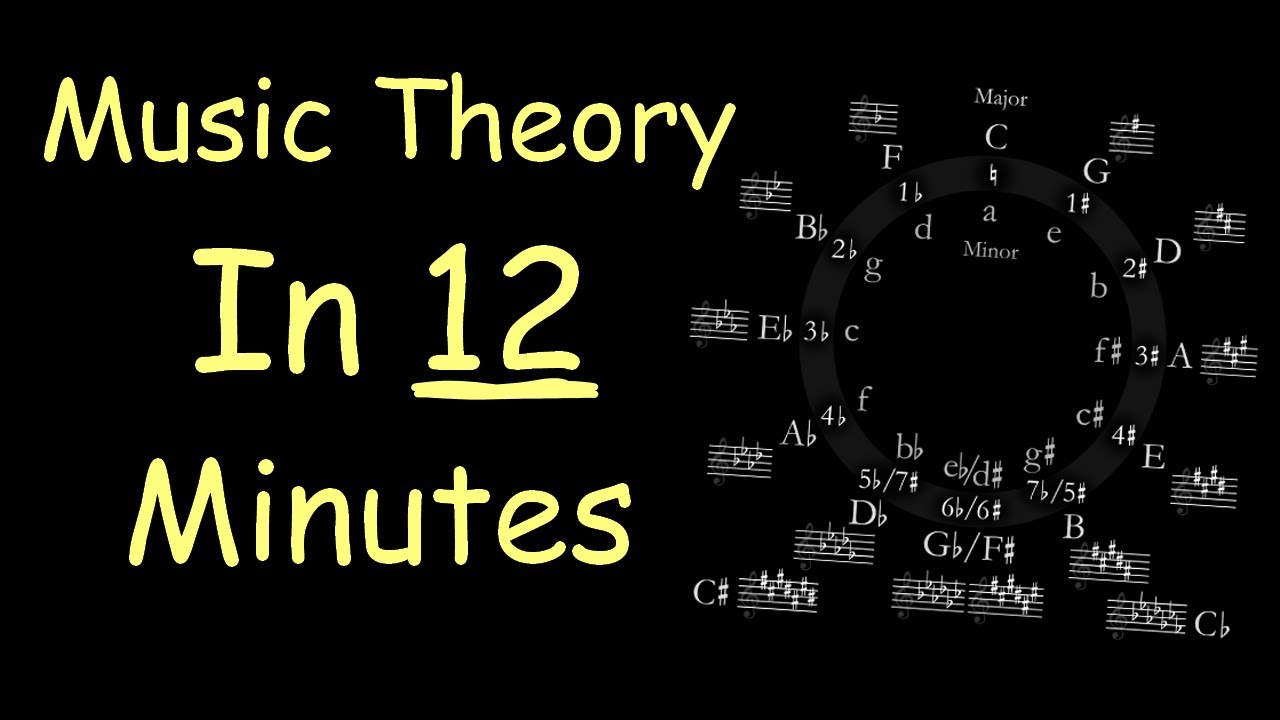
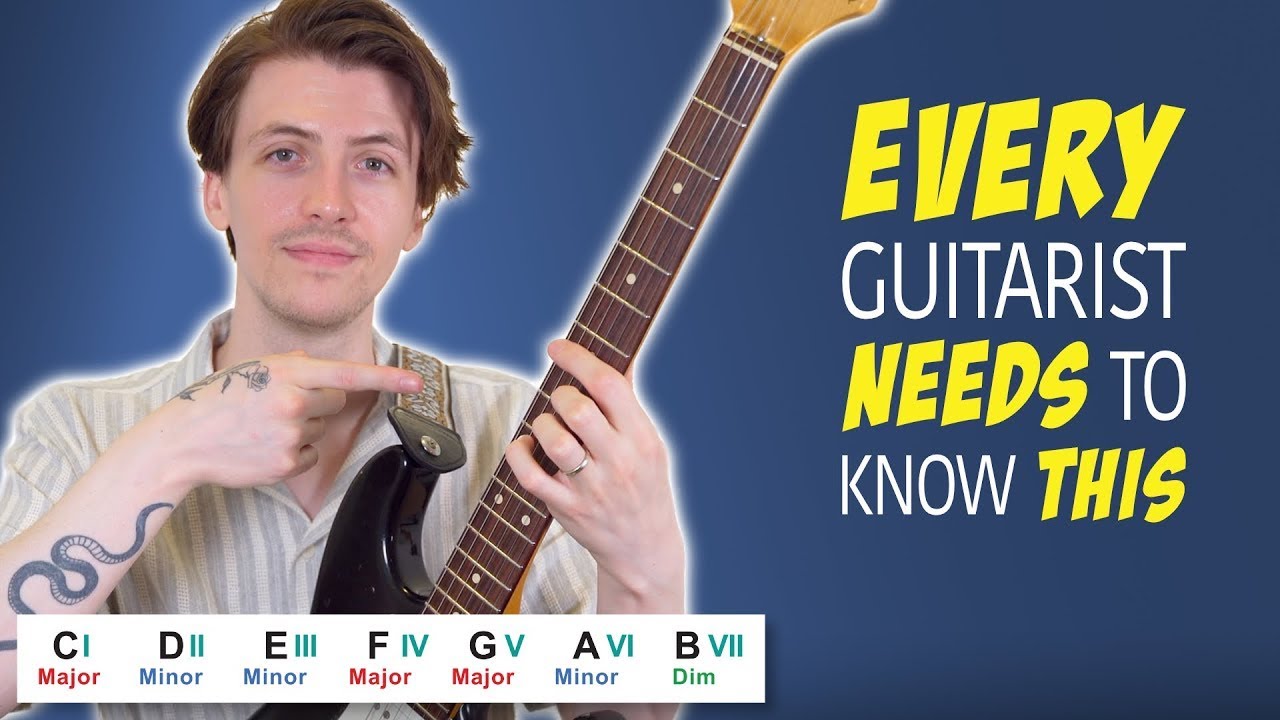
Understanding where you are musically – your key – is fundamental to both playing and composing. The video "Essential Music Theory Every Guitar Player Should Know - Beginner Music Theory Lesson" by Andrew Clarke shines a light on key signatures and the incredibly useful Circle of Fifths. You'll learn how key signatures, with their sharps and flats, simplify notation and tell you which scale is currently in play. The Circle of Fifths, in particular, is a brilliant visual tool. It shows the relationships between all the major and minor keys, making it easier to understand modulation (changing keys) and to find related chords for songwriting. If you're looking to compose your own music or improvise with more fluency, this video provides essential knowledge that's surprisingly practical. It's a great addition to your Music Theory Basics YouTube learning path, especially for guitarists but beneficial for all musicians.
Viewer Tip: Print out a diagram of the Circle of Fifths and keep it handy. Try to identify the key of songs you are learning and see where they fit on the circle.
- Understand how key signatures indicate sharps and flats.
- Learn how to identify the key of a piece of music.
- Explore the relationships between musical keys using the Circle of Fifths.
Your Next Steps
You've just taken a significant step towards demystifying music theory! By exploring notes, scales, intervals, rhythm, chords, and key signatures through these excellent YouTube resources, you've built a strong foundation for deeper musical understanding and creation. It’s surprisingly rewarding to finally grasp these concepts. These creators provide the valuable content you need to move forward confidently.
Your Action Items
- ☐Pick one video from above and watch it on Querivo
- ☐Ask questions and check summaries while watching without breaking your flow
- ☐Use the AI chat to clarify confusing parts and deepen understanding
- ☐Come back for more curated videos on topics you want to master
Ready to put your newfound knowledge into practice? Start by identifying the scales and chords in your favorite songs, or try improvising over a simple chord progression! The journey into music theory doesn't have to be daunting; with the right resources, it can be incredibly engaging.
Turn Any YouTube Video into an Interactive Lesson
Paste any video link, get an instant AI summary, and ask questions in real-time.
Try Querivo Free →Related Videos You Might Enjoy
Looking for more perspectives on this topic? Here are some additional videos worth checking out:
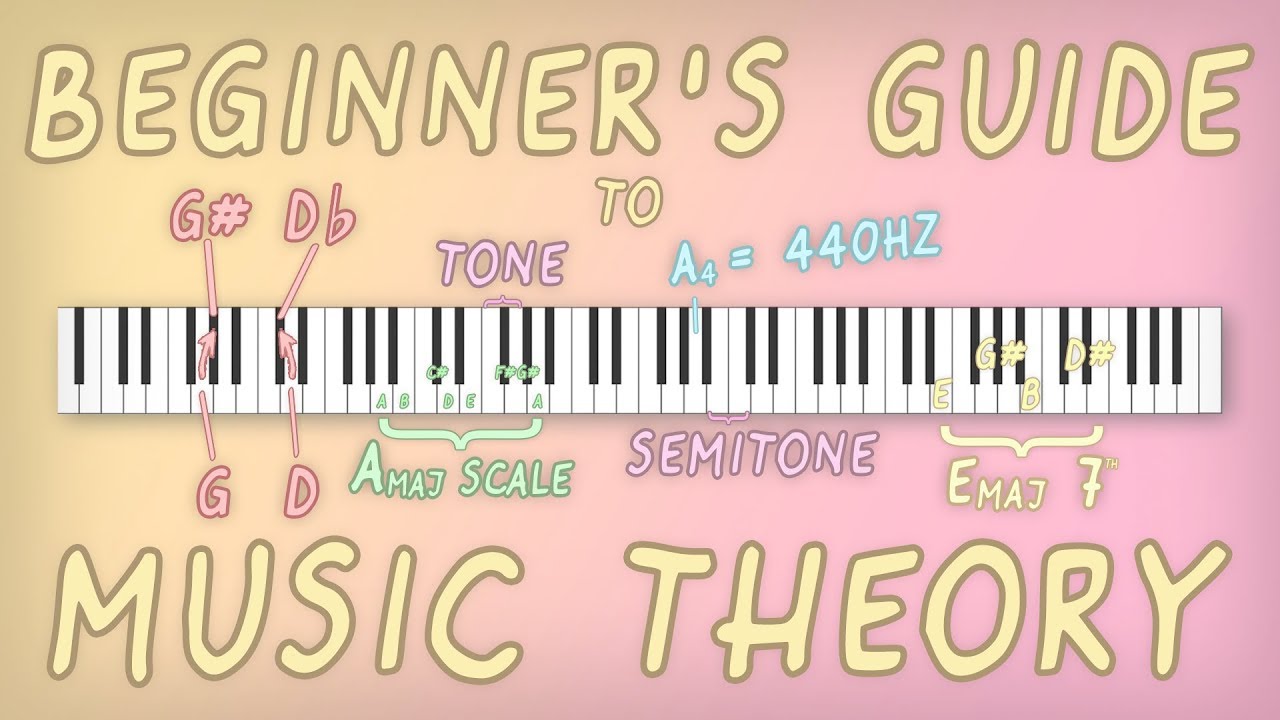
A Beginner's Guide to Music Theory
MUSIC THEORY in 12 minutes for nOOBS
This video provides a fast-paced introduction to fundamental music theory concepts for beginners, covering note names, scales, intervals, chords, and key signatures. It aims to demystify these core elements for aspiring musicians, particularly guitarists.
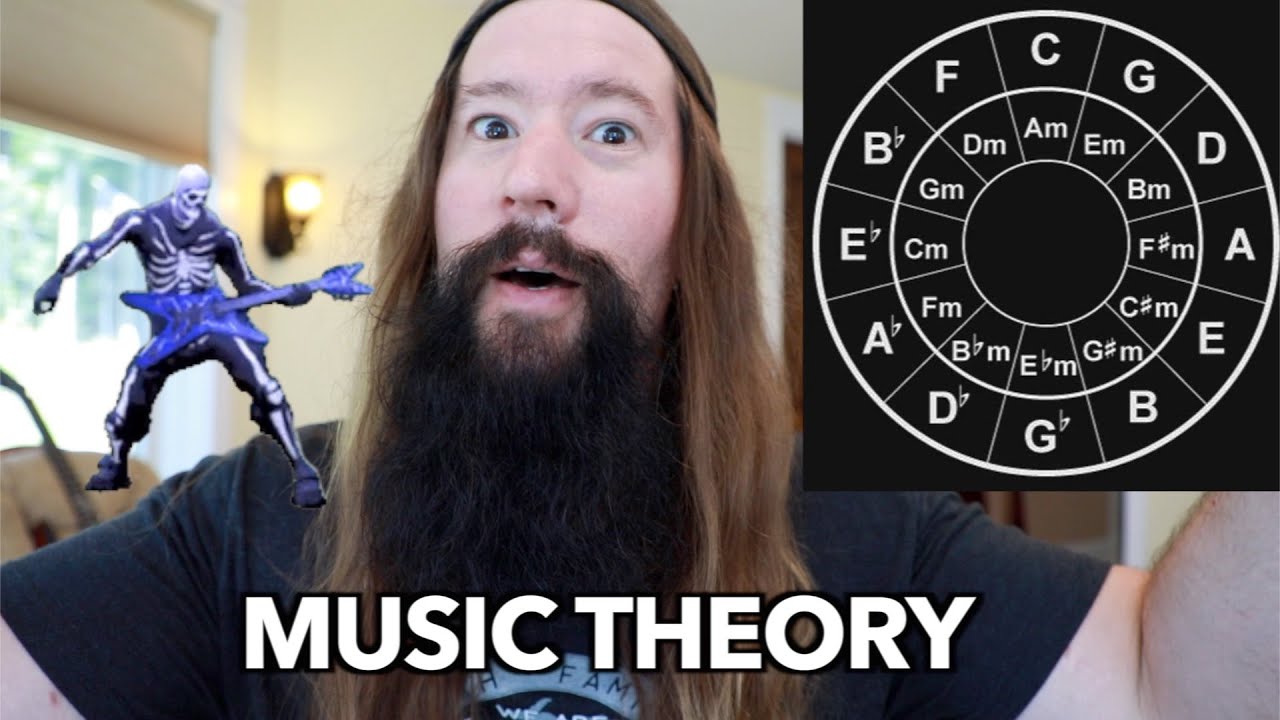
Music Theory in 16 Minutes
Basic Music Theory Concepts That All Beginning Musicians NEED to Know
This video provides a foundational understanding of essential music theory concepts for beginners. It explains tempo, time signatures (specifically 4/4), note values and their relationships, and introduces clefs. The goal is to equip new musicians with the basic tools needed to understand and read music.