
Tired of JavaScript's runtime surprises? Elevate your application development with TypeScript and unlock a new level of robustness and scalability.
Key Takeaways
- 1Your guide to the best TypeScript YouTube tutorials for modern development.
- 2Learn to build safer, more scalable web apps and APIs.
- 3Master essential concepts like branded types and efficient API setup.
- 4Gain practical skills for Node.js and Next.js projects.
- 5Develop more resilient applications with static typing.
Who this is for
- If you're a JavaScript developer struggling with growing codebase complexity
- If you're a full-stack engineer looking to improve code quality and maintainability
- If you're a software architect aiming for more scalable and robust application designs
Start Learning with AI-Powered Video Summaries
Get instant summaries, ask questions, and turn any video into an interactive study session.
Try Querivo Free →In today's fast-paced software development landscape, building applications that are not only functional but also maintainable and scalable is paramount. JavaScript, while ubiquitous, can often lead to subtle bugs and challenges as projects grow. TypeScript offers a powerful solution by introducing static typing, enabling developers to catch errors early, improve code clarity, and ultimately build more resilient and scalable applications.
This article curates the best YouTube videos to guide you from the foundational concepts of TypeScript for modern development to advanced techniques for building scalable web applications and APIs. We'll dive into how this powerful superset of JavaScript can transform your development workflow.
Supercharge Your Next.js Projects with TypeScript for Unbeatable Reliability
When you're building modern web applications, especially with a framework like Next.js, you're probably aiming for speed, scalability, and a fantastic developer experience. But how do you ensure that the application stays robust as it grows? This is exactly where TypeScript shines. By integrating TypeScript into your Next.js projects, you gain the power of static typing, which means catching potential errors before they even make it to runtime. That's a huge win for reliability and maintainability.
You'll discover how TypeScript significantly enhances the developer experience within Next.js. Think smoother autocompletion, more effective refactoring tools, and clearer code that's easier for everyone on the team to understand. This video breaks down the practical benefits, showing how TypeScript contributes directly to building more scalable and maintainable applications. Plus, it delves into real-world examples, like data fetching and setting up API routes, all powered by TypeScript within the Next.js ecosystem. It's a pretty solid introduction to making your Next.js development safer and more efficient.

- Combine TypeScript with Next.js for enhanced app reliability and scalability.
- Leverage static typing for earlier error detection and improved developer experience.
Launch Scalable APIs with Express.js and TypeScript in Just Minutes
Setting up a new API can sometimes feel like a chore, especially getting all the configurations just right. If you're working with Node.js and want to build robust, scalable APIs, Express.js paired with TypeScript is a seriously powerful combination. This video gets straight to the point, offering a practical, step-by-step guide to get your project up and running quickly. It's designed to streamline the entire process, from project initialization to a fully functional basic server.
You'll learn how to effectively configure your TypeScript environment using tsconfig.json, which is crucial for making sure everything plays nicely together. The creator walks you through creating a simple, working Express.js server with sample routes, demonstrating exactly what you need to get started. Plus, they show you how to use tools like nodemon to keep your development workflow efficient. This tutorial is a game-changer if you're looking for a fast and practical way to build scalable Node.js APIs.
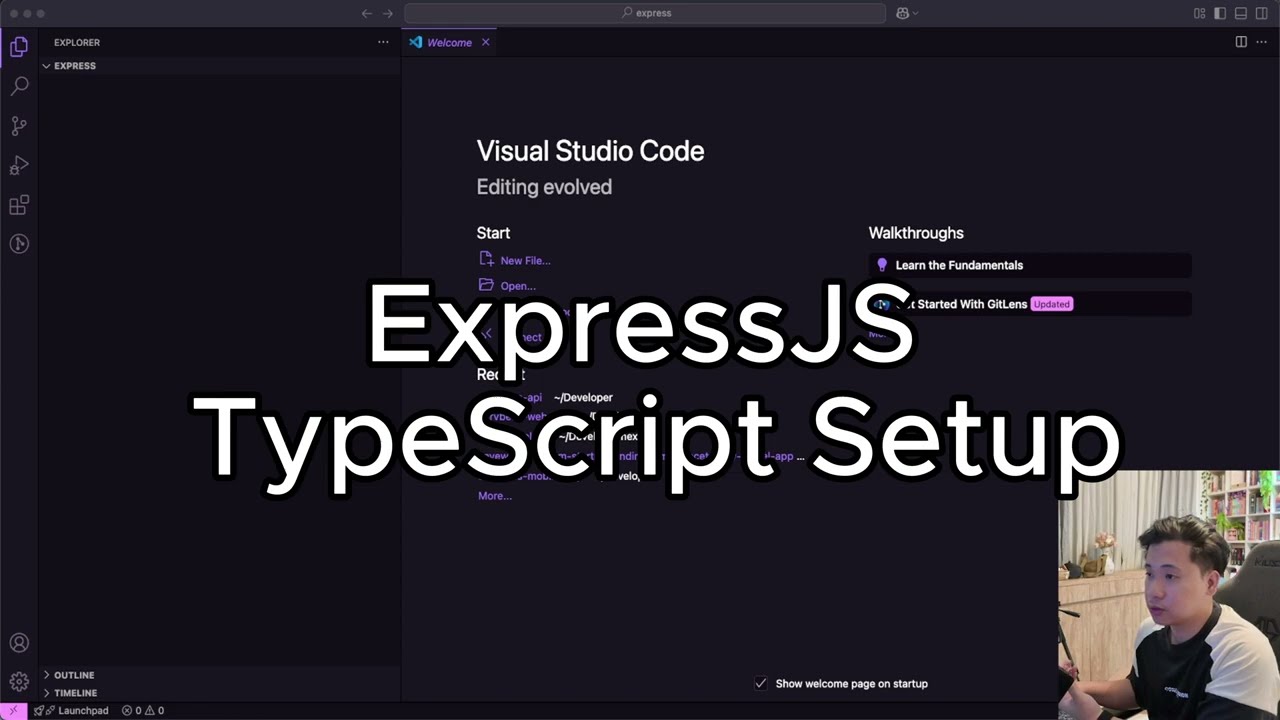
🚀 Express.js + TypeScript Setup: Build a Scalable API in Minutes!
Watch with Querivo →- Quickly set up a scalable Express.js API using TypeScript.
- Master essential configurations like `tsconfig.json` and running with `nodemon`.
Study This Video Deeper
Get an AI summary and ask questions about confusing parts in real-time.
Open in Querivo →Scale Your Node.js Applications Effortlessly with the Built-in Cluster Module
As your Node.js applications grow and traffic increases, you'll eventually hit a performance ceiling with a single-process architecture. But what if there was a way to leverage the power of your server's multiple CPU cores without diving into complex orchestration tools? That's precisely where Node.js's built-in 'cluster' module comes in. This video tutorial is a fantastic resource for understanding and implementing this fundamental technique for application scaling. It demystifies how to distribute workloads, leading to significantly improved performance.
You'll get a clear grasp of how the 'cluster' module enables multi-processing within Node.js, which is key to handling more concurrent requests. The instructor shows you practical load balancing strategies, like the common Round Robin method, to ensure requests are distributed evenly. Watching this will definitely help you see the tangible benefits of clustering for boosting application performance under load. It's a surprisingly straightforward method for scaling, especially for smaller to medium-sized Node.js projects that might not yet warrant the overhead of containerization.

- Utilize Node.js's 'cluster' module for multi-processing and load balancing.
- Improve application performance by distributing workloads across CPU cores.
Prevent Subtle Bugs with Nominal (Branded) Types in TypeScript
In any large-scale application, the smallest oversight can lead to frustrating bugs that are tough to track down. One common culprit? Dealing with distinct but similarly typed data, like multiple types of IDs (e.g., userId, productId). This is where an advanced TypeScript concept like nominal (or branded) typing becomes incredibly valuable. This video delves deep into this powerful technique, showing you how to prevent those sneaky runtime errors that can plague scalable applications. It’s a real eye-opener for anyone serious about type safety.
You'll learn precisely how to define these branded types using simple union types, effectively creating distinct types that the compiler will enforce. This dramatically enhances type safety, especially in complex systems where data might be easily mixed up. The creator also explores runtime validation techniques, even touching on libraries like 'effect' to add another layer of robustness. If you've ever spent hours debugging an issue that turned out to be a simple type mismatch, this video is definitely worth your time. It’s about building truly resilient code.
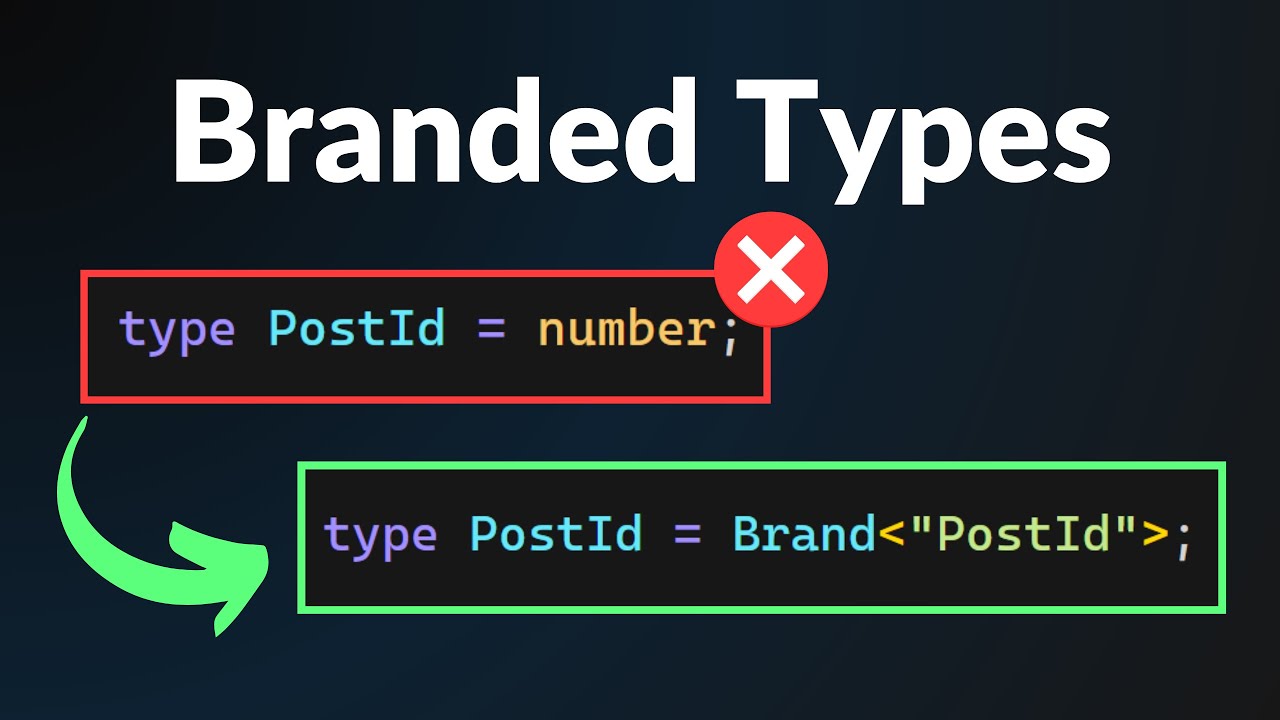
- Implement nominal (branded) types in TypeScript to prevent type confusion.
- Enhance compile-time and runtime type safety for scalable applications.
Your Next Steps
By integrating TypeScript into your development workflow, you can proactively build more robust, maintainable, and scalable applications. From mastering fundamental type safety with branded types to implementing scalable API architectures and leveraging Node.js's cluster module, these resources provide a solid foundation for modern development. Start implementing these TypeScript best practices in your next project and experience the difference in development speed and application stability.
Your Action Items
- ☐Pick one video from above and watch it on Querivo
- ☐Ask questions and check summaries while watching without breaking your flow
- ☐Use the AI chat to clarify confusing parts and deepen understanding
- ☐Come back for more curated videos on topics you want to master
Dive into these expertly curated videos to truly master TypeScript for modern development. Each one offers unique insights and practical skills that will undoubtedly elevate your programming capabilities.
Turn Any YouTube Video into an Interactive Lesson
Paste any video link, get an instant AI summary, and ask questions in real-time.
Try Querivo Free →Related Videos You Might Enjoy
Looking for more perspectives on this topic? Here are some additional videos worth checking out:
Master the Observer Pattern in TypeScript: Build Decoupled & Scalable Apps!
This video demonstrates how to implement the Observer Pattern in TypeScript by building a YouTube channel subscription feature. It shows how to create a publisher (YouTube channel) and subscribers (users) that can subscribe, unsubscribe, and receive notifications when a video is published.

How to structure a JS/TS monorepo | From Zero to Turbo - Part 1
This video introduces the foundational concepts of structuring a JavaScript/TypeScript monorepo, focusing on organizing code into a workspace with internal packages. It explains how to leverage package manager workspace features and sets the stage for using TurboRepo for efficient build processes.

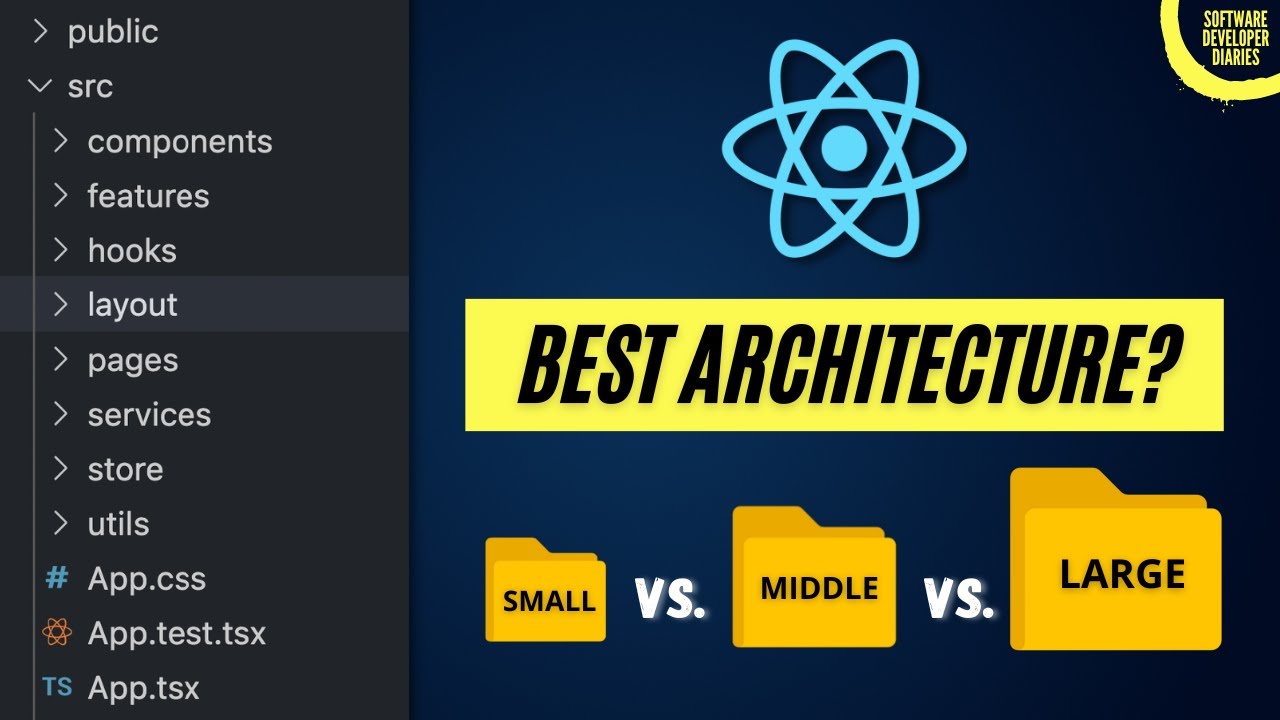
React Architecture: Small vs. Mid vs. Large App Folder Structure
This video explores three different React folder architecture patterns: small, mid-size, and large applications. It demonstrates how to organize components, features, pages, layouts, and services to ensure scalability and maintainability as project complexity grows.
Build Scalable Node.js Apps: Mastering the Repository Pattern with TypeScript
This video teaches how to implement the Repository Pattern in Node.js applications using TypeScript to achieve clean, scalable, and maintainable architecture. It demonstrates decoupling data access from controllers by introducing interfaces and concrete repository implementations, along with using TypeScript mixins for code reuse.