
Dreaming of a career in data science but intimidated by the learning curve? You're not alone! The journey into data science can seem daunting, but with the right resources, it becomes an exciting and accessible path. Fortunately, YouTube offers a wealth of free, high-quality tutorials that can equip you with the essential skills. This guide focuses on curated Python for Data Science YouTube tutorials specifically designed for beginners, helping you build a solid foundation and kickstart your data science journey effectively.
Key Takeaways
- 1Curated Python for Data Science YouTube tutorials for beginners
- 2Learn Python data analysis fundamentals
- 3Master Pandas and NumPy with dedicated tutorials
- 4Kickstart your data science journey for free
- 5Build a solid foundation for a successful career
Who this is for
- If you're looking for clear, beginner-friendly introductions to Python for data science
- If you're aiming to understand essential libraries like Pandas and NumPy
- If you're a student or aspiring analyst wanting to learn data science for free on YouTube
Start Learning with AI-Powered Video Summaries
Get instant summaries, ask questions, and turn any video into an interactive study session.
Try Querivo Free →Python vs. R: Choosing the Right Language for Data Science Beginners
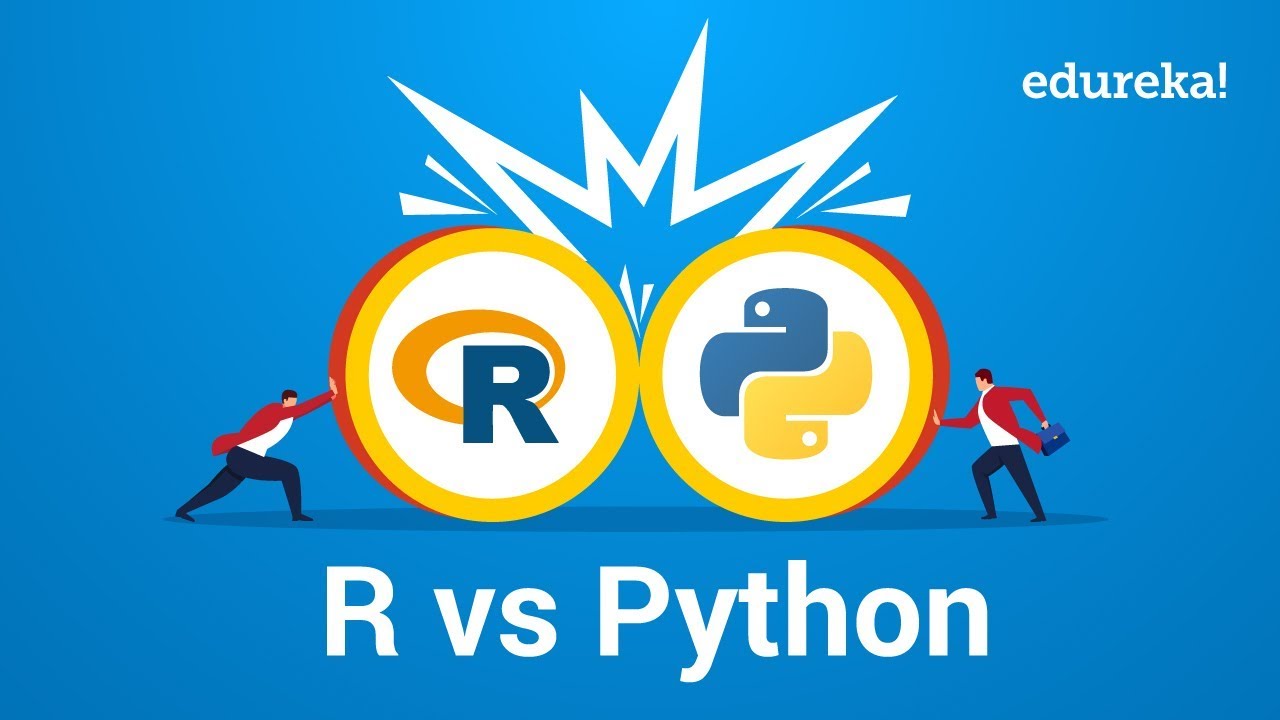
Navigating the world of data science can feel like being dropped into a foreign country without a map. One of the first big decisions you'll face is which programming language to learn. The video "R vs Python | Best Programming Language for Data Science and Analysis | Edureka" by edureka! offers a really helpful comparison, breaking down the strengths and weaknesses of both languages specifically for data science and analysis. It's a great starting point for anyone asking "Where do I even begin with Python for Data Science YouTube beginners?"
This video provides a balanced, parameter-by-parameter comparison of R and Python, covering a wide range of factors relevant to data science practitioners. You'll discover why Python has emerged as the go-to language for so many data scientists, with the creator concluding with a clear winner based on popularity and ease of use. The comparison touches on ease of learning, speed, how well each handles data, visualization capabilities, flexibility, and even community support. While both have their merits, the video makes a strong case for Python's overall popularity and accessibility. This is definitely worth watching if you're weighing your options or just need a clear explanation of Python's advantages.
- Python is generally preferred over R for data science due to its simplicity and broad applications.
- Understand the key parameters for choosing a programming language for your data science projects.
Building Your Foundation: An Introduction to Python for Data Science
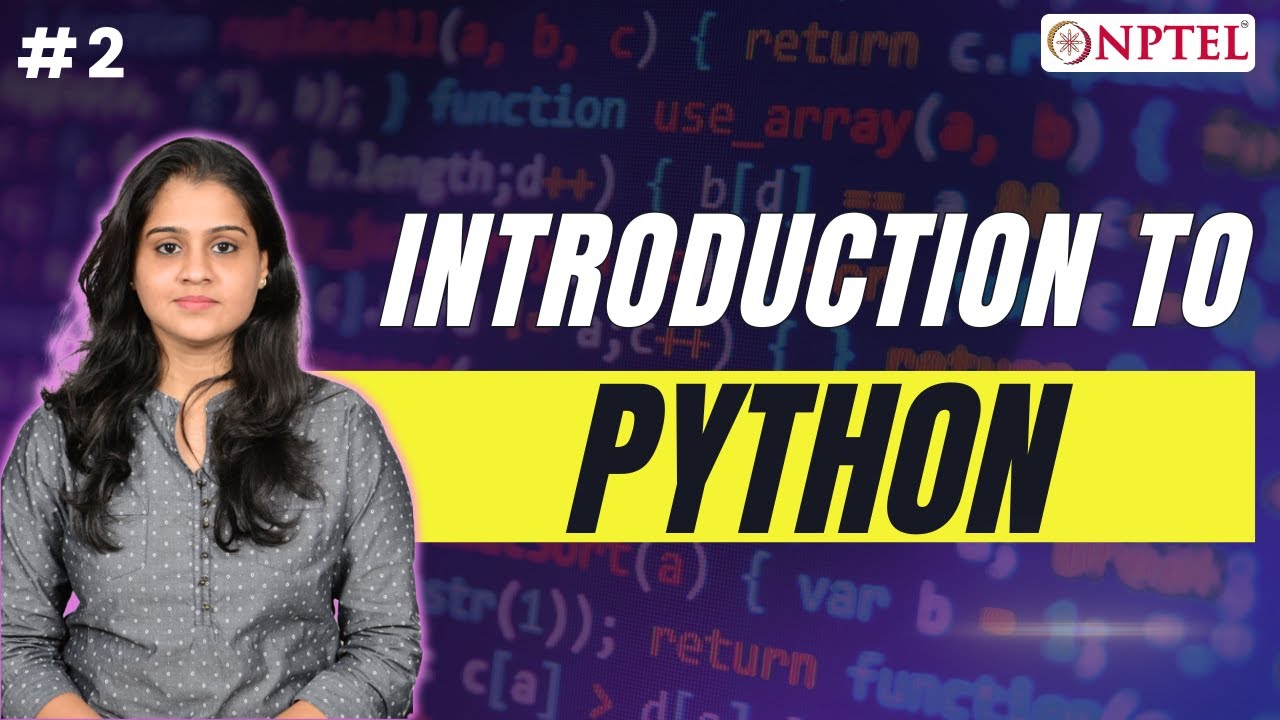
Once you've identified Python as your language of choice, it's time to dive into the core concepts. The video "#2 Introduction to Python | Python for Data Science" by NPTEL-NOC IITM provides a structured and comprehensive introduction to data science and Python. This resource is ideal for beginners looking to grasp the fundamentals.
You'll find that this video covers essential concepts ranging from the "data deluge" – understanding the sheer volume of data available today – to practical aspects like IDE selection, which is crucial for an efficient coding experience. It serves as a strong foundational resource, laying the groundwork for more advanced topics by demystifying the initial steps of working with Python in a data science context.
- Understand the fundamental concepts of data science and its relationship with Python.
- Learn about the importance of IDE selection for your Python data science workflow.
The Essential Python Libraries Powering Data Science Workflows
Now that your environment is ready and you have a grasp of Python's basics, it's time to explore the powerhouse tools that make Python so dominant in data science. The video "Top 5 Python Libraries For Data Science | Python Libraries Explained | Python Tutorial | Simplilearn" by Simplilearn offers a focused overview of the most critical Python libraries. This is a digestible, 16-minute tutorial that provides a strong starting point for learners.
You'll get a solid overview of libraries like NumPy for numerical operations and array manipulation – crucial for handling large datasets efficiently. Then, we look at Pandas, which is absolutely indispensable for data analysis and manipulation, allowing you to clean, transform, and analyze your data with ease. The creator also touches upon Matplotlib for creating impactful data visualizations and might briefly introduce other key libraries relevant to the data science ecosystem. Mastering these core libraries is key to unlocking your data science potential.
- Get acquainted with the top 5 essential Python libraries for data science.
- Understand the core purpose and common applications of these fundamental Python libraries.
Understanding the Data Science Process with Python
To truly appreciate the role of Python, it's helpful to see how it fits into the broader data science landscape. The video "#1 Introduction to Python for Data Science | Python for Data Science" by NPTEL-NOC IITM provides exactly that context. It offers a structured overview of the entire data science process, linking it directly to the practical application of Python and its rich ecosystem of libraries.
This video sets the stage for a comprehensive learning journey by clearly defining the scope and objectives of data science. You'll gain a high-level understanding of the steps involved, from data collection and cleaning to analysis and modeling, and see how Python facilitates each of these stages. This holistic view helps demystify the field and shows you how the libraries you're learning about are used in practice.
- Get a structured overview of the entire data science process.
- Understand how Python and its libraries are applied throughout the data science workflow.
Your Next Steps
You've seen how Python, with its rich ecosystem of libraries and user-friendly development tools, truly is an ideal starting point for anyone aiming for a career in data science. From understanding the foundational concepts and choosing the right language to exploring the indispensable libraries and grasping the overall data science process, these curated tutorials provide a comprehensive roadmap.
To make your learning even more effective, consider using tools that can enhance your video consumption. For instance, AI-powered video summarization and interactive Q&A can help you quickly grasp key concepts, clarify doubts, and deepen your understanding without interrupting your learning flow.
Your Action Items
- ☐Pick one video from above and watch it on Querivo
- ☐Ask questions and check summaries while watching without breaking your flow
- ☐Use the AI chat to clarify confusing parts and deepen understanding
- ☐Come back for more curated videos on topics you want to master
Ready to transform raw data into actionable insights? Start your Python for Data Science journey today by diving into the featured videos!
Turn Any YouTube Video into an Interactive Lesson
Paste any video link, get an instant AI summary, and ask questions in real-time.
Try Querivo Free →Related Videos You Might Enjoy
Looking for more perspectives on this topic? Here are some additional videos worth checking out:
R vs Python
Install VS Code with Python for Data Science / Data Analysis - P.3
This video guides viewers through installing Visual Studio Code (VS Code) on both Windows and Mac, and then configuring it for Python development. It covers installing the Python extension and launching a Jupyter Notebook within VS Code to verify the setup.
07e Python Data Analytics: Hypothesis Testing Interactive
This video provides an interactive demonstration of hypothesis testing for the difference in means using Python. It explains the core concepts of null and alternative hypotheses, the calculation of a t-statistic, and the interpretation of results within the context of a theoretical sampling distribution. The interactive Python demonstration allows users to explore how sample characteristics impact the hypothesis test outcome.