
Ready to build powerful backend applications with JavaScript? Dive into the world of server-side development and unlock the full potential of Node.js.
Key Takeaways
- 1Master Node.js fundamentals for backend development.
- 2Understand modern web rendering strategies.
- 3Differentiate client-side from server-side code execution.
- 4Build robust APIs and manage data effectively.
- 5Transform your JavaScript skills into server-side power.
Who this is for
- If you're struggling to grasp backend concepts and want a clear starting point.
- If you're looking to build scalable web applications and APIs with JavaScript.
- If you're a beginner developer aiming to transition from front-end to full-stack.
Start Learning with AI-Powered Video Summaries
Get instant summaries, ask questions, and turn any video into an interactive study session.
Try Querivo Free →Build Your First Node.js Server: A Practical Foundation
Getting your hands dirty with actual code is the best way to learn Node.js development. This foundational video walks you through the essential steps of creating a basic HTTP server right from scratch. You'll dive into understanding how requests are handled, how to set up routing so your server knows where to send different requests, and the concept of middleware, which acts like a helpful traffic controller for your incoming data. It's surprisingly straightforward to get a basic server up and running.
Beyond just the server itself, this resource also touches upon integrating with databases, specifically MongoDB, which is super popular for Node.js projects. You'll get a glimpse into using Mongoose, an Object Data Modeling (ODM) library, to make those database interactions smoother. Plus, there's an introduction to Express.js, a robust and widely-used framework that definitely makes building these servers a whole lot more efficient. If you're new to server-side JavaScript, this is definitely your go-to starting point.
This video is ideal for beginners who have a grasp of basic JavaScript and want to see it in action on the server. The teaching style is very hands-on, with clear code demonstrations, making it easy to follow along and replicate the steps. It’s a really solid way to get a practical understanding of how a Node.js server actually works before diving into more complex architectures.

- Learn to build a functional HTTP server from scratch with Node.js.
- Try building your own basic server using the code demonstrated.
Study This Video Deeper
Get an AI summary and ask questions about confusing parts in real-time.
Open in Querivo →Decoding Web Rendering: SSR, SSG, ISR, and Beyond
Once you've got a handle on building your server, the next logical step is understanding how your applications deliver content to users. Web rendering strategies can seem a bit complex, but this video does a surprisingly good job of breaking them down. You'll explore the differences between Server-Side Rendering (SSR), where the server generates HTML for each request, and Client-Side Rendering (CSR), where JavaScript in the browser builds the page. It also clarifies Static Site Generation (SSG), where pages are built once and served as static files, and Incremental Static Regeneration (ISR), which offers a middle ground.
Understanding these patterns is crucial for optimizing your web applications. The video details the trade-offs involved, looking at factors like initial load time, user experience, and how easy it is for search engines to crawl your content. It covers the journey from the initial build process all the way to how the code eventually executes in a user's browser. Knowing these nuances helps you choose the most effective approach for different projects.
This resource is geared towards developers who have some experience and are looking to refine their understanding of web performance and architecture. The fast-paced, visually driven style, complete with diagrams, makes complex ideas digestible. It’s a great way to quickly get a handle on the options available for rendering your web applications efficiently.
- Demystify rendering patterns like SSR, SSG, and ISR.
- Analyze the pros and cons to choose the best strategy for your projects.
Client-Side vs. Server-Side: Grasping the Core Concepts
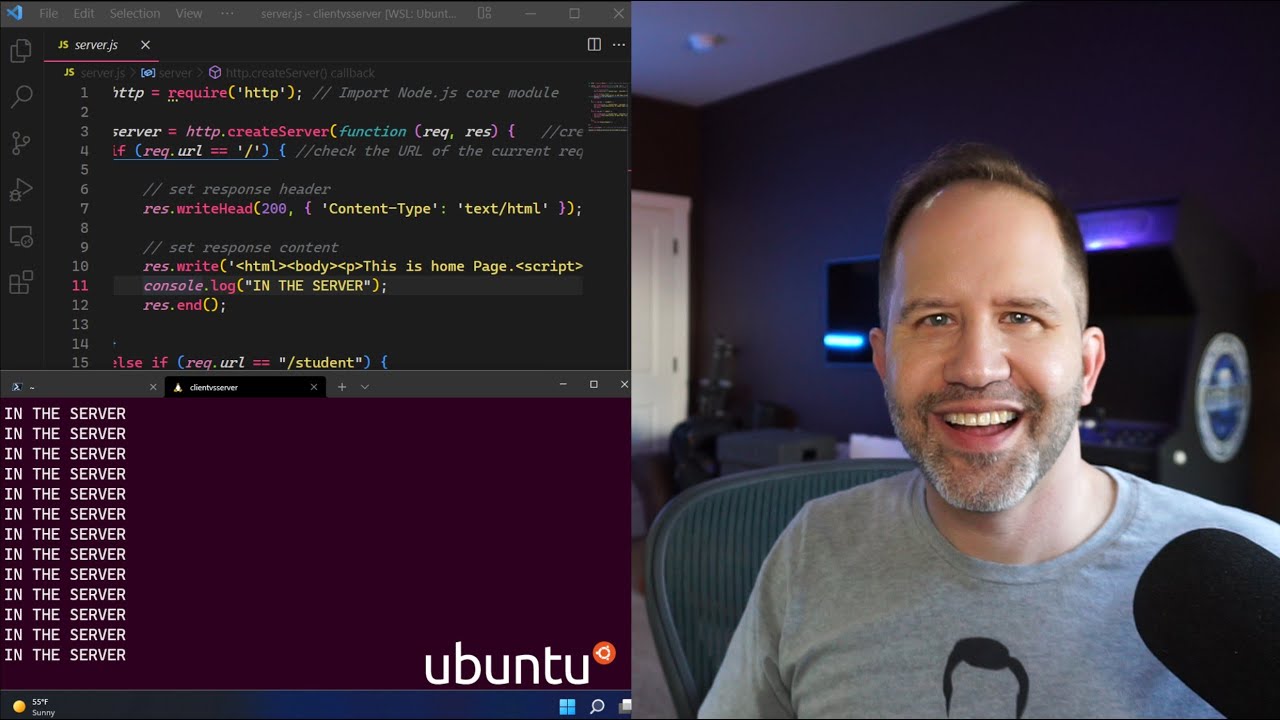
This video tackles a really fundamental concept that often trips up new developers: the difference between what happens on the client (your browser) and what happens on the server. It's a surprisingly clear explanation that uses practical JavaScript examples to show you exactly how code executes in different environments. You'll see how your browser runs JavaScript to make things interactive on the page, and then how a server processes requests and sends back responses.
It also helps to clarify the terms front-end and back-end development, showing how they relate to client-side and server-side execution. Understanding this distinction is absolutely key to mastering Node.js development. This video showcases Node.js as a powerful runtime environment that lets you use JavaScript for all sorts of server-side tasks. If you've ever wondered where your JavaScript code is actually running, this is the video for you.
Scott Hanselman's teaching style here is super approachable and practical. He actually demonstrates code execution in a terminal and browser, making the abstract concepts feel very concrete. It's the kind of explanation that demystifies those core web development ideas that can feel so confusing when you're starting out.
- Clearly differentiate client-side vs. server-side code.
- Understand JavaScript's role on both the web and the server.
Node.js for Data: Building Servers and APIs
Ready to see Node.js in action for managing data and building APIs? This video dives straight into using Node.js as a runtime environment, showcasing how it extends JavaScript's capabilities beyond just what happens in a browser. You'll learn how to construct a web server specifically designed for data persistence, which is a core requirement for most applications. It's a practical look at how you can leverage your JavaScript skills for backend tasks.
The tutorial also demonstrates how to interact with APIs, a critical skill for any modern web developer. You'll get hands-on experience with the Express framework, which really streamlines the process of building these kinds of applications, and you'll also become more familiar with npm (Node Package Manager) for handling your project dependencies. It’s a great way to transition from purely client-side thinking to understanding how the server plays its crucial role.
This video offers a practical introduction to server-side programming with Node.js, focusing on the essential elements needed to build a functional web server that can handle data and communicate via APIs. It’s a solid resource for anyone looking to expand their development toolkit with server-side JavaScript.
- Learn to create web servers for handling data and APIs with Node.js.
- Familiarize yourself with Express and npm for efficient development.
Your Next Steps
You've explored some essential Node.js development YouTube videos that cover everything from building your first server to understanding complex rendering strategies. By diving into these resources, you're building a strong foundation for creating robust, scalable backend applications. Remember, the key is consistent practice and continuous learning.
Your Action Items
- ☐Pick one video from above and watch it on Querivo
- ☐Ask questions and check summaries while watching without breaking your flow
- ☐Use the AI chat to clarify confusing parts and deepen understanding
- ☐Come back for more curated videos on topics you want to master
Ready to make your learning even more efficient? Transform any YouTube video into an interactive lesson with AI-powered summaries and Q&A.
Turn Any YouTube Video into an Interactive Lesson
Paste any video link, get an instant AI summary, and ask questions in real-time.
Try Querivo Free →Related Videos You Might Enjoy
Looking for more perspectives on this topic? Here are some additional videos worth checking out:
WTF Do These Even Mean
This video provides a crash course on various web rendering acronyms like SSR, CSR, SSG, and ISR, explaining their meanings, differences, use cases, and pros/cons. It breaks down the rendering process from build to client-side execution to help viewers understand when to choose each approach.

2.1 Server-side with Node.js - Working with Data and APIs in JavaScript
This video introduces server-side programming using Node.js, moving beyond client-side JavaScript. It explains Node.js as a JavaScript runtime and demonstrates its use for creating a web server to handle data persistence, using the Express framework and npm package manager.

Everything You NEED to Know About WEB APP Architecture
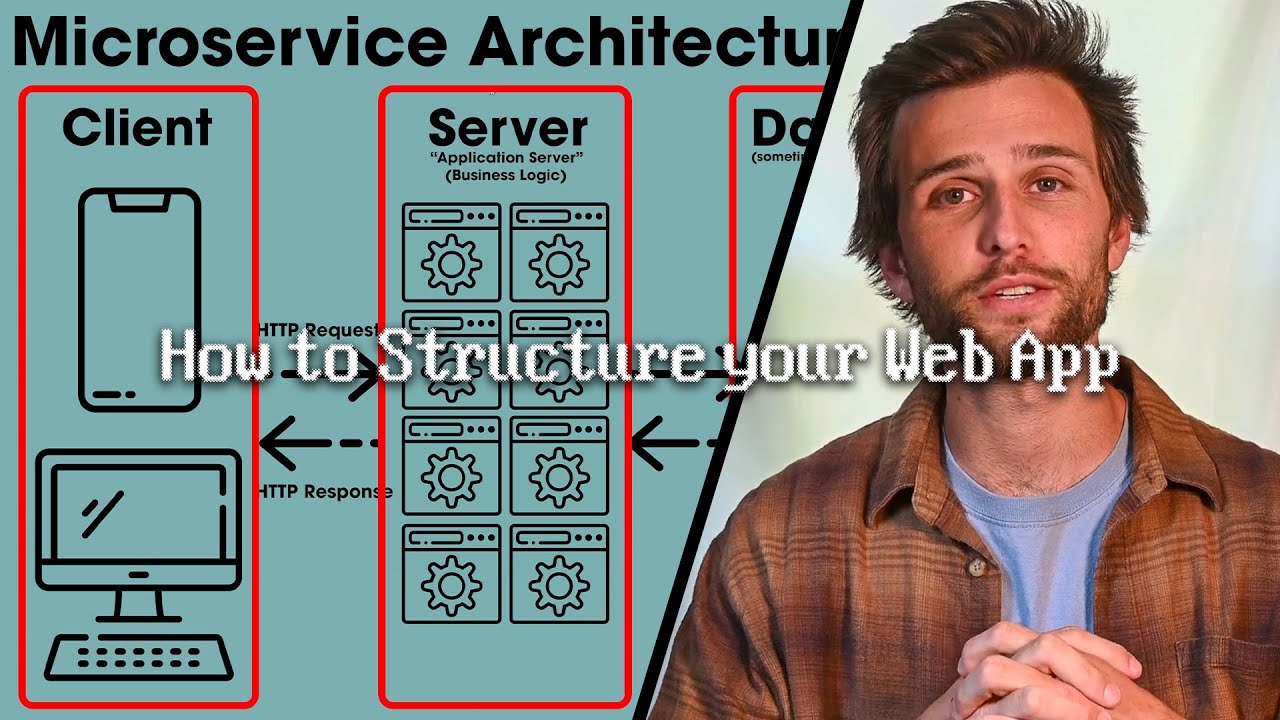
Unlock Generative AI for Swift Server-Side Development - Mona Dierickx
This video introduces the Swift Bedrock library, a tool designed to simplify the integration of generative AI capabilities from Amazon Bedrock into Swift server-side projects. It highlights how the library abstracts away the complexities of the AWS SDK, enabling developers to easily perform tasks like text generation and image creation with fewer lines of code.