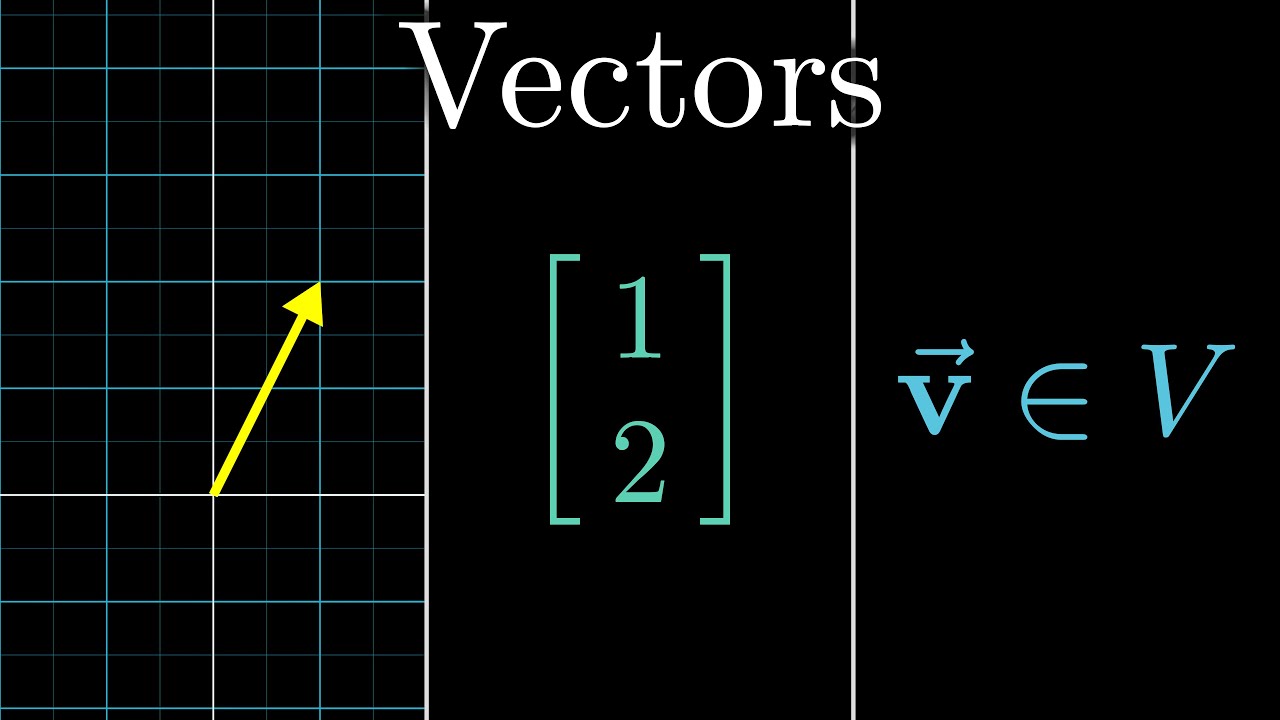

Unlock the power of data science by mastering its foundational language: linear algebra. In the rapidly evolving fields of data science and machine learning, a solid understanding of linear algebra is not just beneficial – it's essential. From training complex neural networks to analyzing massive datasets, the core principles of linear algebra underpin virtually every modern AI application. This guide curates the most effective YouTube explanations to help you grasp key linear algebra concepts, transforming abstract math into actionable data science skills. We'll cover everything from the basics of linear equations to the geometric intuition behind determinants, all through the lens of engaging and insightful video tutorials.
Key Takeaways
- 1Master linear algebra for data science success.
- 2Understand core concepts through visual explanations.
- 3Learn how math powers AI and ML algorithms.
- 4Gain practical skills for data analysis.
- 5Build a strong foundation for advanced topics.
Who this is for
- If you're a data science student struggling with math foundations
- If you're a programmer looking to understand ML better
- If you're a beginner aiming to grasp AI concepts
Start Learning with AI-Powered Video Summaries
Get instant summaries, ask questions, and turn any video into an interactive study session.
Try Querivo Free →Building Blocks: Understanding Linear Equations and Systems
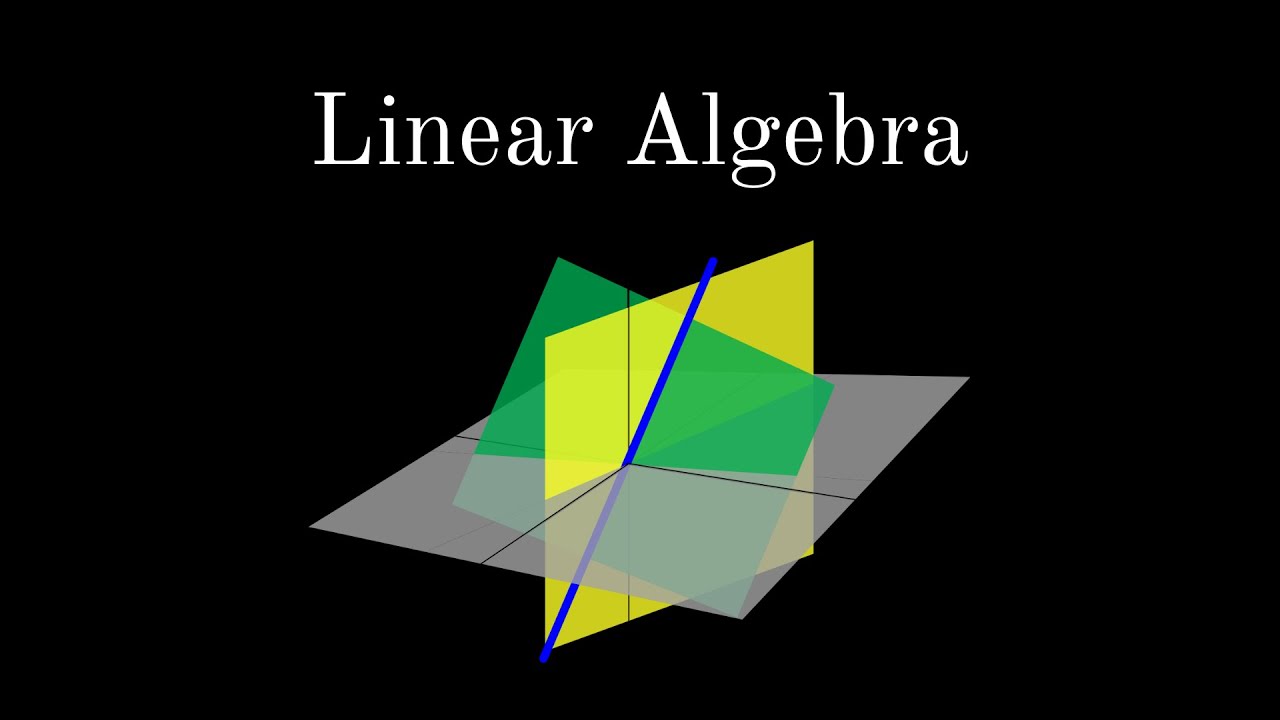
Ever feel like linear algebra is a wall standing between you and your data science goals? We get it. But the truth is, the concepts aren't as scary as they seem, especially when explained visually. This first video dives straight into the foundational elements: linear equations and systems. Think of these as the basic sentences you need to construct more complex ideas. Understanding them is key because they're how we model real-world scenarios – from predicting house prices to understanding supply chains.
What's really helpful here is the way it breaks down what a linear equation actually is. You'll see how they represent straight lines in 2D or flat planes in 3D. Then, it moves on to systems of equations. This is where things get interesting for data science, as multiple equations together can represent complex relationships. The video makes it surprisingly easy to visualize what a solution looks like – essentially, where all those lines or planes intersect. It's a pretty solid starting point for anyone new to the topic, making sure you've got the bedrock concepts down before moving on.

- Linear equations are fundamental for modeling problems.
- Visualize systems of equations to understand their solutions.
Study This Video Deeper
Get an AI summary and ask questions about confusing parts in real-time.
Open in Querivo →Demystifying the Determinant: Geometric Insights for Transformations
So, you've got a handle on linear equations. What's next in mastering linear algebra for data science? It's time to talk about determinants. Now, this might sound like just another intimidating math term, but this video does a fantastic job of showing you its real-world meaning, especially in how data gets transformed. Forget just crunching numbers; we're talking about geometric intuition.
This tutorial explains the determinant as a measure of scaling. Imagine you have a shape – a square, maybe. When you apply a linear transformation (which is essentially what matrices do), that square might stretch or shrink. The determinant tells you by how much its area changes. It's even cooler in 3D, where it measures volume scaling. And get this: the sign of the determinant tells you if the transformation flipped the orientation (like turning a shape inside out). Understanding this is surprisingly important for comprehending how matrices manipulate data. It’s a game-changer for truly grasping matrix operations.
- Determinants measure area/volume scaling under transformations.
- The sign of the determinant reveals orientation changes.
Grasping Matrix Multiplication: The Engine of Data Transformations
If you're looking to really understand how data gets processed in machine learning, then matrix multiplication is a concept you absolutely need to nail. This video tackles it head-on, going beyond just the procedural steps to show you the why behind it. It’s not just about multiplying rows by columns; it’s about understanding what that operation does to your data.
What we found particularly insightful is the geometric interpretation. Matrix multiplication isn't just a mathematical process; it's like stacking transformations on top of each other. Think about transforming a point in space. You might rotate it, then scale it. Matrix multiplication elegantly represents that sequence. This video helps you connect this to changing coordinate systems and even function composition, which are super relevant when you're building models. Seriously, watch this to truly appreciate the power and meaning behind matrix multiplication in your data science journey. It's definitely worth your time.

- Matrix multiplication represents sequential data transformations.
- Understand how it changes coordinate systems.
Eigenvectors and Eigenvalues: Uncovering the Core Directions of Data
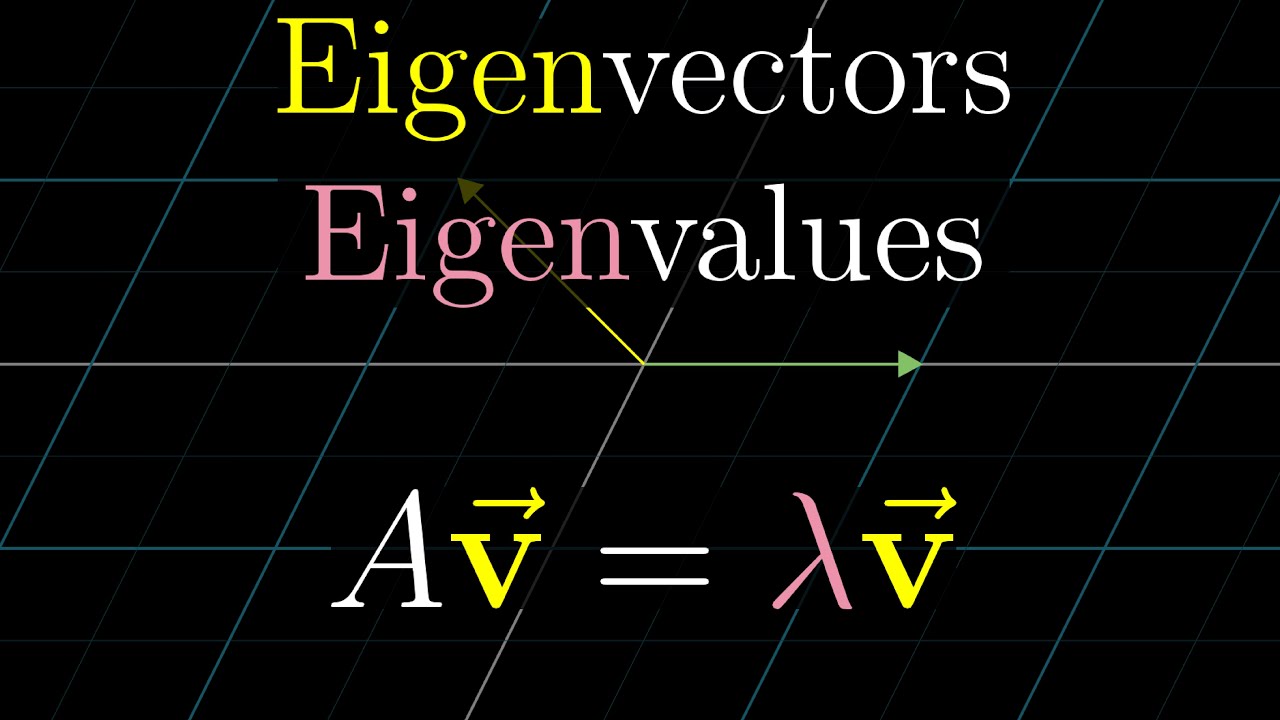
Alright, we're getting into some of the more advanced, yet incredibly powerful, concepts now. Eigenvectors and eigenvalues are absolutely crucial for understanding data variance and for techniques like Principal Component Analysis (PCA), which is huge in data science. This video offers a much-needed look into what these terms actually mean, and it does so with a focus on their geometric significance.
The core idea? Eigenvectors are the directions that don't change when a linear transformation is applied – they just get stretched or shrunk. The eigenvalues? They're the scaling factors for those directions. This video makes it clear why this is so important: by finding these core directions and their scaling factors, you can understand the most important ways your data is varying. It’s like finding the fundamental axes of your dataset. This is the kind of knowledge that truly elevates your understanding beyond just using libraries; you'll grasp why they work. Definitely a must-watch for anyone serious about AI and ML.

- Eigenvectors are invariant directions under transformation.
- Eigenvalues are the scaling factors along these directions.
Your Next Steps
By demystifying systems of linear equations, the geometric nature of determinants, the transformative power of matrix multiplication, and the core directions revealed by eigenvectors and eigenvalues, you've built a robust foundation in linear algebra for data science. These videos offer clear, visual explanations that make complex math accessible and applicable. Don't just watch them; engage with the concepts.
Your Action Items
- ☐Pick one video from above and watch it on Querivo
- ☐Ask questions and check summaries while watching without breaking your flow
- ☐Use the AI chat to clarify confusing parts and deepen understanding
- ☐Come back for more curated videos on topics you want to master
Ready to apply these concepts? Start exploring datasets with these linear algebra principles in mind! Continue your learning journey by delving into the related videos for additional perspectives, and then practice by working through linear algebra problems in Python using libraries like NumPy.
Turn Any YouTube Video into an Interactive Lesson
Paste any video link, get an instant AI summary, and ask questions in real-time.
Try Querivo Free →Related Videos You Might Enjoy
Looking for more perspectives on this topic? Here are some additional videos worth checking out:
All Of Algebra Explained In 15 Minutes

Eigenvectors and eigenvalues | Chapter 14, Essence of linear algebra
Introduction to Linear Algebra: Systems of Linear Equations
This video introduces linear algebra, focusing on the fundamental concept of systems of linear equations. It explains why linear equations are chosen over simpler or more complex functions for modeling real-world phenomena and defines the characteristics of a linear equation and a system of linear equations.