
Tired of feeling stuck with basic Spanish? Ready to unlock complex sentences and master those tricky verb tenses? For intermediate learners, YouTube offers a wealth of incredible resources to elevate your grammar skills and move beyond simple phrases. By leveraging these targeted videos, you can gain the confidence to express yourself with nuance and accuracy.
Key Takeaways
- 1Your guide to intermediate Spanish grammar on YouTube.
- 2Learn to express complex ideas and nuances.
- 3Master verb tenses for accurate storytelling.
- 4Construct sophisticated sentences with ease.
- 5Build confidence for advanced Spanish conversation.
Who this is for
- If you're tired of feeling like your Spanish is plateauing
- If you're looking to move beyond simple phrases and into complex expression
- If you're an intermediate Spanish student ready to tackle grammar head-on
Unlock Expressive Communication with the Spanish Subjunctive Mood
Feeling like your Spanish is missing a certain flair? That's often because you haven't quite grasped the subjunctive mood. It's absolutely essential for expressing anything beyond simple facts – think desires, emotions, doubts, and recommendations. This video, The 6 Most Important Spanish Sentence Structures You Need To Know by BaseLang, is a fantastic starting point for intermediate learners who want to add depth and nuance to their Spanish. While the title suggests sentence structures, this particular video delves into the crucial subjunctive mood, breaking down the often-confusing triggers for its use, like the handy WEIRDO acronym (Wishes, Emotions, Impersonal Expressions, Recommendations, Doubt/Denial, Ojalá). It clearly differentiates it from the indicative mood and provides practical examples of how it’s used in everyday conversations, which really helps solidify the concept. Mastering the subjunctive is a significant leap towards more natural and expressive Spanish.
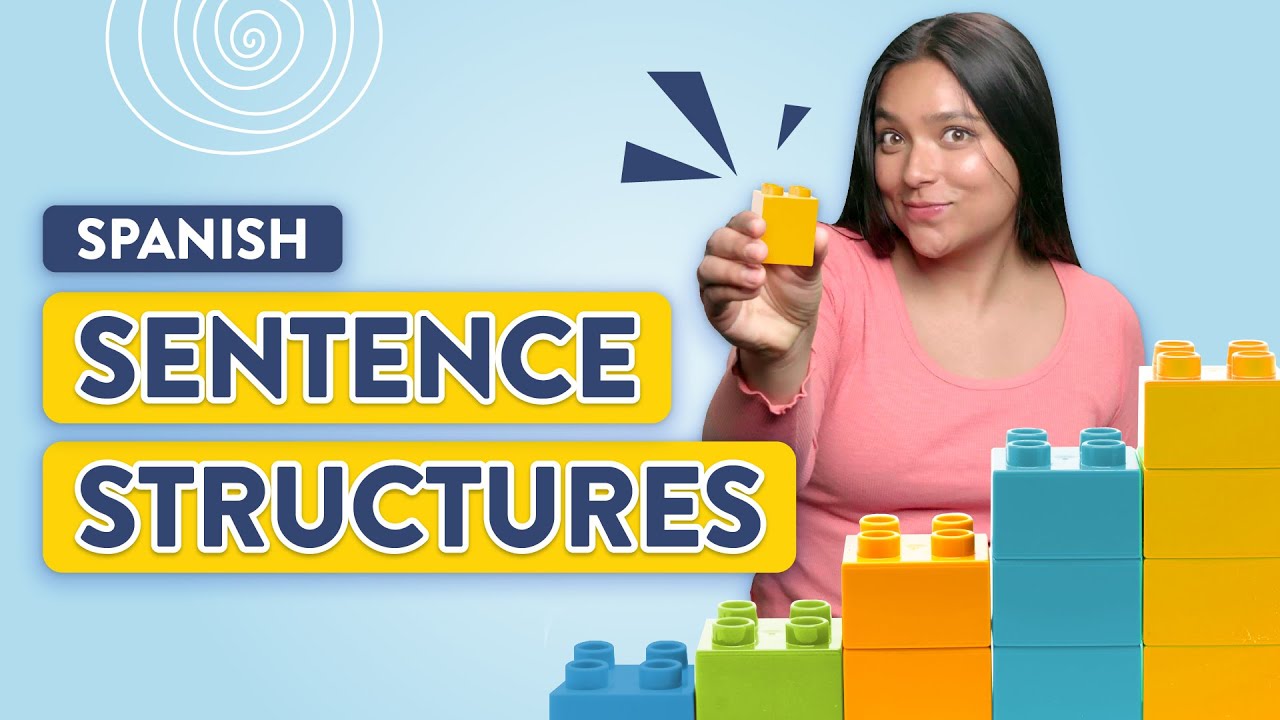
- The subjunctive is key for expressing desires, emotions, and doubts.
- Practice identifying triggers and differentiating from indicative usage.
Master Past Events: Preterite vs. Imperfect for Crystal-Clear Narration
Navigating the past tenses in Spanish can feel like a minefield, right? When do you use the preterite, and when should you opt for the imperfect? The video The Ultimate Guide to EVERY SPANISH VERB TENSE by BaseLang tackles that exact confusion head-on. This comprehensive guide is crucial for anyone looking to tell stories, recount experiences, or describe past situations accurately. We'll help you understand the core difference: completed actions that are finished go with the preterite, while ongoing, habitual, or descriptive past events call for the imperfect. Pay close attention to the time markers and contextual clues the creator highlights; they are incredibly helpful for making the right choice. The video thoroughly explains the nuances of both tenses, providing numerous examples to illustrate their distinct uses. Practicing sentence construction here is vital, so try forming your own narratives after watching to solidify your understanding.
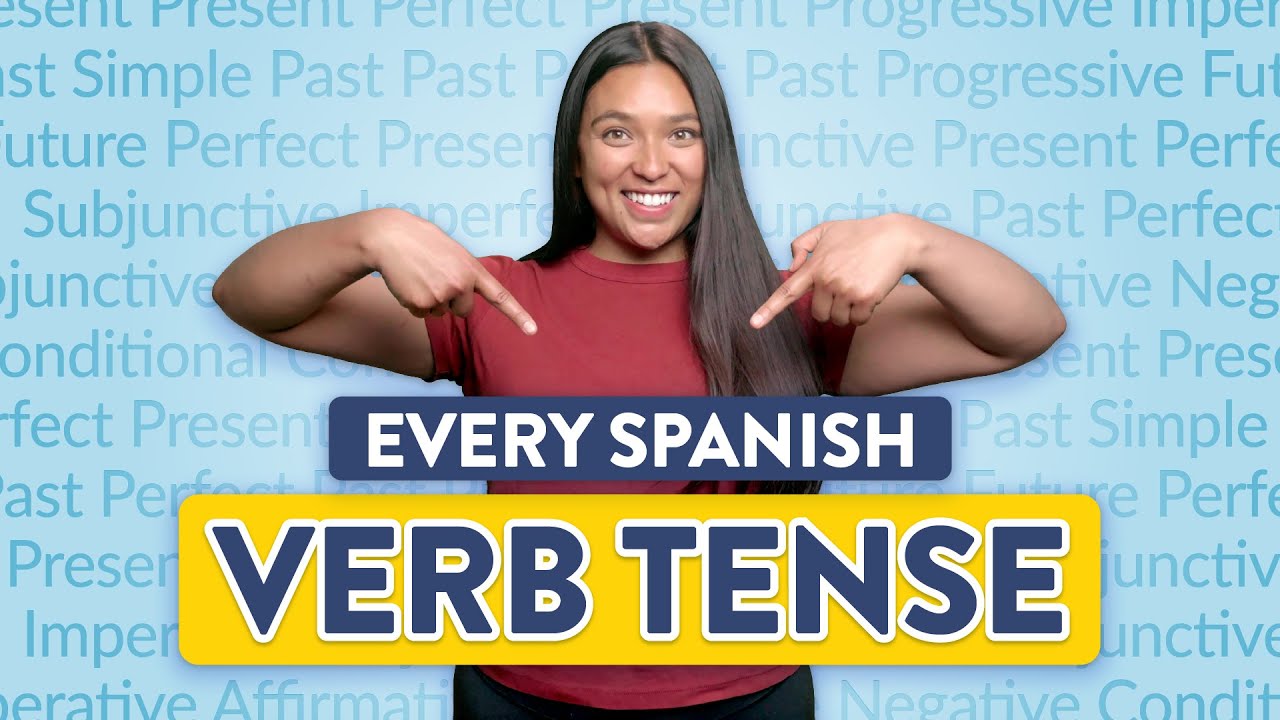
- Distinguish between completed actions (preterite) and ongoing/descriptive ones (imperfect).
- Focus on identifying time markers to help choose the correct past tense.
Study This Video Deeper
Get an AI summary and ask questions about confusing parts in real-time.
Open in Querivo →Construct Sophisticated Sentences with Relative Pronouns
Want to elevate your Spanish beyond simple, choppy sentences? Learning to use relative pronouns and clauses effectively is your ticket to building more complex, flowing, and informative statements. While not explicitly detailed with a title in the provided data, understanding Spanish object pronouns is a fundamental step towards constructing more advanced sentences. The video Understand Spanish Object Pronouns in 8 Minutes by Breakthrough Spanish dives into the essential pronouns like 'me', 'te', 'lo', 'la', 'nos', 'os', 'los', 'las', explaining exactly when and how to deploy them. It’s not just about linking ideas; it’s about making your writing and speaking much more sophisticated by accurately referring to nouns without repetition. Mastering object pronouns is a foundational skill that directly enables the use of more complex sentence structures, including those involving relative clauses.
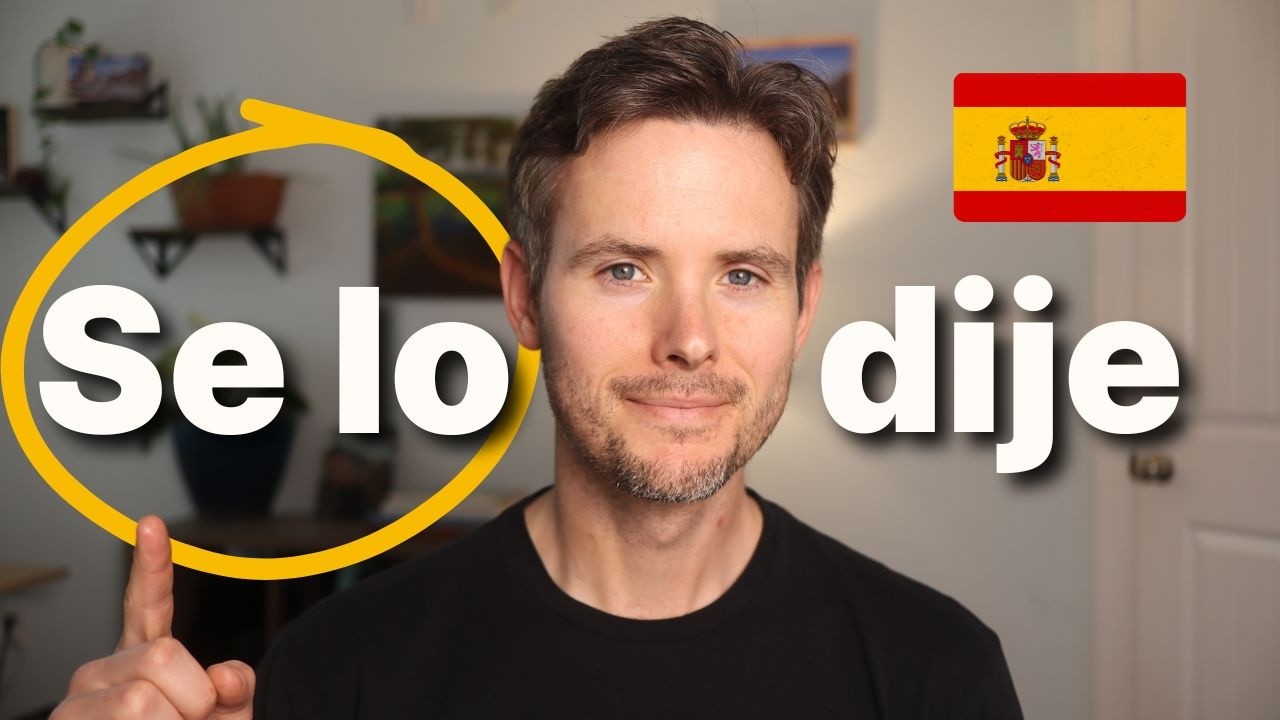
- Master object pronouns for clearer and more concise sentences.
- Understand how object pronouns facilitate more complex grammatical structures.
Immerse Yourself in Everyday Spanish with Cultural Context
Beyond structured grammar lessons, immersing yourself in the language through authentic content is invaluable. The video A Little Bit of Spanish While You Go About Your Day 🇪🇸 by Spanish After Hours offers a personal and cultural perspective on family relationships. This resource is valuable because it provides practical language exposure within a relatable context, using Spanish cultural norms as a central example to explore broader themes of connection and belonging. While it might not focus on a specific grammar point like the subjunctive or past tenses, it allows you to hear Spanish spoken naturally and see how language is used in everyday social interactions. This kind of authentic exposure helps you internalize sentence patterns and vocabulary in a meaningful way, reinforcing what you learn from more technical grammar videos.

- Gain exposure to natural Spanish through cultural examples.
- Understand how language is used in everyday social contexts.
Your Next Steps
By dedicating time to these curated YouTube videos, intermediate Spanish learners can make significant strides in their grammar. Focus on understanding the tricky subjunctive mood, get a solid grip on past tenses, and familiarize yourself with how object pronouns enable more sophisticated sentence construction. Don't forget the value of immersive content for natural language acquisition. You've got the resources; now it's time to put them to work!
Your Action Items
- ☐Watch the video on Spanish object pronouns to build sentence complexity.
- ☐Revisit the BaseLang videos on sentence structures and verb tenses for reinforcement.
- ☐Incorporate the Spanish After Hours video for natural language and cultural context.
- ☐Practice forming your own sentences and narratives using the grammar points learned.
These resources offer a clear path to improving your Spanish grammar foundation. Now is the perfect time to start digging in and transforming your language skills.
Turn Any YouTube Video into an Interactive Lesson
Paste any video link, get an instant AI summary, and ask questions in real-time.
Try Querivo Free →Related Videos You Might Enjoy
Looking for more perspectives on this topic? Here are some additional videos worth checking out: