

Artificial Intelligence is rapidly reshaping our world, from personalized recommendations to complex decision-making systems. But as AI becomes more powerful, understanding its ethical implications is no longer an option – it's essential.
Key Takeaways
- 1Discover essential YouTube videos on ethical AI.
- 2Learn about bias, transparency, and accountability.
- 3Get actionable insights for responsible AI development.
- 4Build trustworthy AI systems for a better future.
- 5Master ethical AI concepts with expert-curated videos.
Who this is for
- If you're concerned about AI's societal impact and potential harms
- If you're a developer, student, or professional looking to build responsible AI
- If you're curious about the future of technology and its ethical guardrails
Start Learning with AI-Powered Video Summaries
Get instant summaries, ask questions, and turn any video into an interactive study session.
Try Querivo Free →Decode Trustworthy AI: The Five Essential Pillars
Understanding what makes an AI system trustworthy is paramount as these technologies become more integrated into our lives. The video "What is AI Ethics? by IBM Technology" dives deep into the foundational elements that build confidence in AI, moving beyond abstract concepts to concrete principles. It's not just about building powerful AI; it's about building good AI. You'll get a clear picture of the five key pillars that ensure AI is developed responsibly, and how these principles are being applied by leading tech companies.
The creator highlights that AI's impact is deeply personal, affecting individuals' lives in significant ways. This isn't just a technical problem; it's a socio-technological challenge that requires a thoughtful, human-centered approach. We'll explore IBM's core principles – augmenting human intelligence, respecting data ownership, and ensuring transparent AI systems. This video is pretty solid for anyone wanting to grasp the 'why' behind ethical AI and what it takes to achieve it. It directly addresses the common misconception that AI is inherently unbiased and ethically sound, offering concrete frameworks and principles to build trust.
Practical Tip: As you watch, consider an AI system you interact with daily. Which of these five pillars do you think it excels at, and where could it improve? Jotting down your thoughts can make the learning more active.
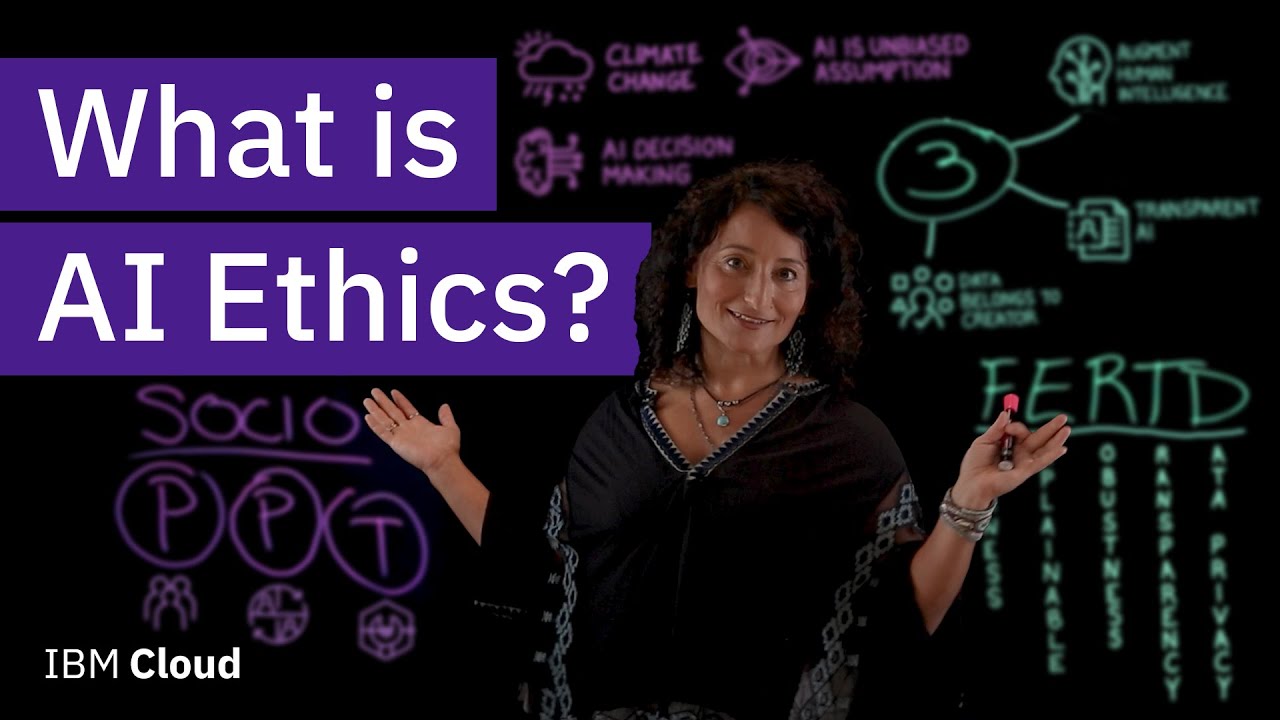
- AI decisions have a direct impact on individuals.
- Build trust with fairness, explainability, robustness, transparency, and data privacy.
Study This Video Deeper
Get an AI summary and ask questions about confusing parts in real-time.
Open in Querivo →Defining Ethical AI: Your First Steps to Responsible Development
So, what exactly is ethical AI? The video "What is Ethical AI? | Ethics of AI - Challenges and Responsibilities | The Knowledge Academy by The Knowledge Academy" cuts through the jargon to give you a straightforward definition: AI systems that are designed and deployed with respect for human rights, a commitment to fairness, and a proactive stance against causing harm. It's a crucial distinction that many overlook. You'll discover the major ethical hurdles AI creators face today – things like bias creeping into algorithms, a lack of transparency in how decisions are made, questions of accountability when things go wrong, and the ever-present privacy concerns.
The creator doesn't shy away from the weight of this responsibility. They emphasize that those building AI today are shaping the future, and with that comes a profound obligation to get it right. This video effectively translates the abstract concept of ethical AI into practical challenges and responsibilities, using compelling examples. It frames ethical AI as a crucial aspect of data science education, not just an afterthought. If you're starting your journey into AI development or are simply interested in the ethical landscape, this video offers a vital foundational understanding. It's an excellent primer for grasping the core challenges and responsibilities involved.
Practical Tip: After watching, think about how you can start incorporating these ethical considerations into your own work or studies. Even small steps, like questioning the data used in a project, can make a difference.
- Ethical AI respects human rights and prevents harm.
- Key challenges include bias, transparency, accountability, and privacy.
From Theory to Practice: Implementing Ethical AI
Ready to move beyond definitions and get into the nitty-gritty of putting AI ethics into practice? The video "What Is AI Ethics | AI Ethics Foundation | How to Implement AI Ethics | Edureka by edureka!" makes that leap, showing you not just why AI ethics matter but how to implement them. It vividly illustrates the critical importance of ethical AI using real-world examples of AI failures that have made headlines – we've all seen them, but understanding their root cause is key. And, importantly, it revisits those five pillars of trustworthy AI: fairness, explainability, robustness, transparency, and privacy protection, this time with a focus on implementation.
For those working within enterprises or looking to build ethical considerations into their AI workflows, this video offers practical strategies and tools. You'll learn about mitigating AI bias and integrating ethical frameworks directly into your development lifecycle. It’s surprisingly helpful for getting a handle on how to operationalize these important principles, making ethical AI feel less like a buzzword and more like an achievable goal. This video clearly breaks down complex concepts into actionable pillars for building trustworthy AI, making it an invaluable resource for practical application.
Practical Tip: Identify one specific AI failure mentioned in the video. Research it further to understand the ethical breakdown and brainstorm how the principles discussed could have prevented or mitigated it.
- AI ethics are critical, underscored by real-world failures.
- Implement strategies and tools to mitigate bias and ensure trustworthiness.
Your Next Steps
Navigating the future of AI responsibly requires a solid understanding of ethical principles. By focusing on fairness, explainability, transparency, and accountability, we can build AI systems that benefit humanity while minimizing potential harm. The videos featured offer a strong foundation for anyone looking to grasp these vital concepts. These resources are valuable because they not only define ethical AI but also provide the "why" and "how," making the complex field accessible and actionable. Understanding these nuances is crucial for developers, policymakers, and even general users who interact with AI daily.
Your Action Items
- ☐Pick one video from above and watch it on Querivo
- ☐Ask questions and check summaries while watching without breaking your flow
- ☐Use the AI chat to clarify confusing parts and deepen understanding
- ☐Come back for more curated videos on topics you want to master
Turn Any YouTube Video into an Interactive Lesson
Paste any video link, get an instant AI summary, and ask questions in real-time.
Try Querivo Free →