
Ever wondered how your phone recognizes your face or how streaming services know exactly what movie you'll love next? The magic behind these feats often lies in Artificial Neural Networks (ANNs).
Key Takeaways
- 1Learn the core concepts of AI's building blocks.
- 2Understand how neural networks process data.
- 3Discover brain-inspired AI architectures.
- 4See real-world AI applications explained.
- 5Grasp AI's evolution and impact.
Who this is for
- If you're curious about the inner workings of AI and deep learning
- If you're a student or enthusiast looking to learn neural networks basics
- If you're seeking clear, concise explanations of complex AI concepts videos
Start Learning with AI-Powered Video Summaries
Get instant summaries, ask questions, and turn any video into an interactive study session.
Try Querivo Free →Unpacking the Brain's Blueprint: The Fundamentals of Neural Networks
Artificial Neural Networks are the foundational building blocks of modern Artificial Intelligence and Deep Learning. They're what enable machines to learn, adapt, and perform complex tasks that once seemed exclusively human. Understanding their core mechanics is absolutely key to grasping the future of AI, and this first video is a brilliant starting point. It dives right into the fundamental concepts, drawing fascinating parallels to the human brain, which is where the inspiration for these networks actually came from.
This video breaks down the essential components: think of 'neurons' as the processing units and 'synapses' as the connections that allow information to flow. You'll see how these networks are structured, usually with input, hidden, and output layers, each playing a specific role in processing data. Plus, it doesn't shy away from the realities; it points out common challenges like the significant data requirements and the often considerable development time needed to build effective neural networks.
It's a great introduction if you're just dipping your toes into the world of artificial neural networks. You'll get a solid grasp of the basic architecture and why they're such a big deal in AI.
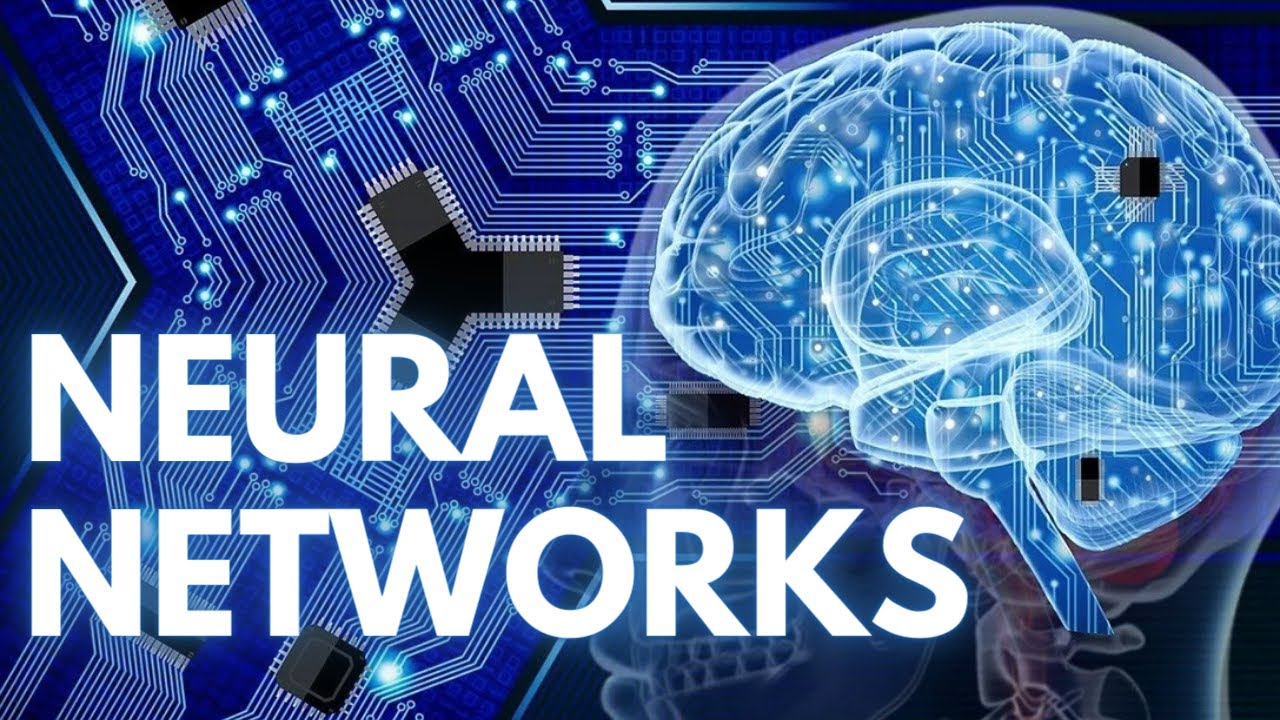
- Neural networks are inspired by the human brain's structure.
- Watch this to understand input, hidden, and output layers.
From Data to Decisions: How Neural Networks Learn Patterns
Now that we've got the basic blueprint, let's explore how these networks actually learn. This next video delves into the practical workings of artificial neural networks, illustrating exactly how they learn to recognize complex patterns. It’s all about layers of interconnected ‘neurons’ and how their adjustable parameters get fine-tuned. You'll discover that deep learning, a powerful subset of machine learning, really excels when dealing with unstructured data – think images, text, and sound, things our brains handle effortlessly.
The creator here explains that artificial neural networks mimic human brain functions for all sorts of AI tasks, powering capabilities like computer vision (seeing and interpreting images) and natural language processing (understanding and generating human language). It’s a clear explanation of how deep learning models process information through those familiar input, hidden, and output layers to achieve specific AI tasks. This video really helps demystify the learning process itself, showing you the journey from raw data to intelligent decisions.
If you're looking to understand the "how" behind AI's pattern recognition, this video is definitely worth your time. It’s a solid follow-up that builds directly on the foundational concepts.
- Deep learning excels with unstructured data like images and text.
- Use this video's analogies to understand ANNs mimicking human brains.
Study This Video Deeper
Get an AI summary and ask questions about confusing parts in real-time.
Open in Querivo →AI in Action: Understanding its Evolution and Public Sector Impact
Artificial Intelligence isn't just about neural networks; it's a much broader field with a fascinating history. This next video provides a broader context for AI, explaining its historical development and its various branches. It’s really interesting to see how the field has evolved through distinct generations, with each one bringing new capabilities and pushing the boundaries of what machines can do. You'll get a clear picture of the key branches, including Natural Language Processing (NLP), Robotic Process Automation (RPA), Machine Learning (ML), and of course, Deep Learning.
What's particularly insightful about this video is its focus on practical applications, especially how AI benefits the public sector. It showcases real-world use cases that might surprise you, like enhancing border protection and streamlining case management. It highlights how AI can address inefficiencies and improve decision-making within government operations, making a complex topic accessible and showing its tangible impact on our lives.
This is a great watch if you're interested in the bigger picture of AI and its societal implications, beyond just the technical aspects of artificial neural networks.
- AI has evolved through distinct generations of capabilities.
- Watch this to see AI's practical use cases in the public sector.
AI at a Glance: Quick Insights into Core Concepts
For those who appreciate a concise, high-level overview, this video offers a quick yet effective explanation of Artificial Intelligence. It breaks down the fundamental relationship between AI and human intelligence, essentially defining AI by its ability to replicate human cognitive functions. It's a smart way to frame the concept for beginners, making it instantly relatable.
The video then introduces essential AI fields that you'll often hear about – speech recognition, NLP, computer vision, robotics, and pattern recognition. It also clarifies how these are underpinned by Machine Learning and neural networks, tying everything back to our main theme. You'll also get a clear understanding of the different types of Machine Learning: supervised, unsupervised, and reinforcement learning, and how these drive AI applications like classification and prediction. It’s a really solid primer if you want the core ideas presented without too much jargon.
This is perfect if you’re looking for a quick refresh or a very first introduction to artificial neural networks and AI. It packs a lot of information into a short timeframe.
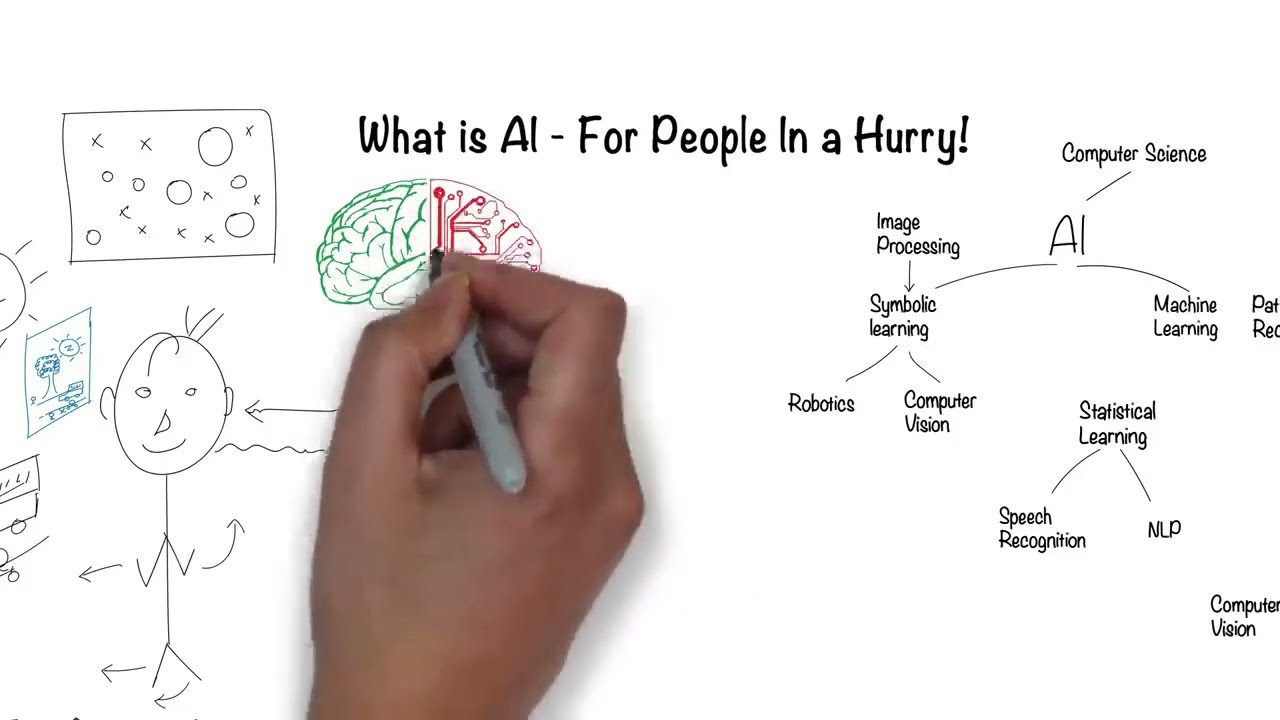
- AI replicates human cognitive functions for machines.
- This video offers a quick breakdown of ML types: supervised, unsupervised, and reinforcement.
Your Next Steps
Artificial Neural Networks are definitely the engine behind many of today's most impressive AI advancements, from personalized recommendations to sophisticated data analysis. By understanding their brain-inspired architecture, layered processing, and learning mechanisms, you've taken a significant step towards demystifying the complex world of AI. These curated videos provide an excellent foundation.
Your Action Items
- ☐Pick one video from above and watch it on Querivo
- ☐Ask questions and check summaries while watching without breaking your flow
- ☐Use the AI chat to clarify confusing parts and deepen understanding
- ☐Come back for more curated videos on topics you want to master
Ready to dive deeper into artificial neural networks youtube? Explore the featured YouTube videos to solidify your understanding of neural networks and their role in AI. Consider experimenting with introductory AI tools or online courses to gain hands-on experience.
Turn Any YouTube Video into an Interactive Lesson
Paste any video link, get an instant AI summary, and ask questions in real-time.
Try Querivo Free →Related Videos You Might Enjoy
Looking for more perspectives on this topic? Here are some additional videos worth checking out:
Demystifying Neural Networks
This video explains the fundamental concept of neural networks by building one conceptually from scratch. It uses the example of recognizing handwritten digits to illustrate how neural networks learn complex patterns through layers of interconnected "neurons" that process information and adjust their internal "dials" (weights and biases) to improve accuracy.
Demystifying Neural Networks
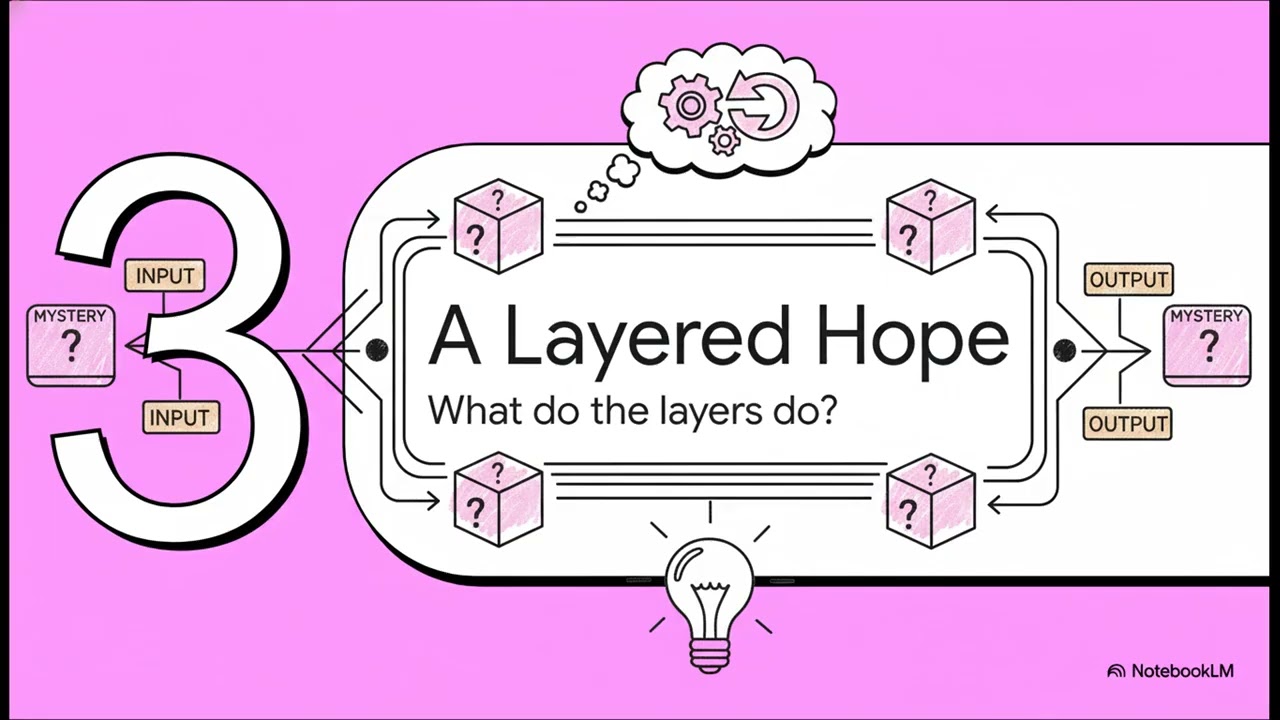
This video demystifies neural networks by tracing their origin from the biological neuron to early computational models like the perceptron and the necessity of multi-layer networks for complex problems. It explains how these networks learn through trial and error by adjusting weights and biases.