
Feeling overwhelmed by statistical jargon and complex formulas? You're not alone! Navigating the world of statistics can feel like a daunting task, especially when you're just starting out. This curated selection of YouTube lessons aims to demystify these core concepts, providing clear explanations and practical insights to build your confidence.
Key Takeaways
- 1Your essential guide to understanding statistics, from fundamental data types to advanced analysis.
- 2Master probability concepts, different types of data, and the principles of hypothesis testing.
- 3Learn practical techniques for simplifying complex calculations, making statistics more approachable.
- 4Gain confidence in interpreting data insights and drawing meaningful conclusions.
- 5Unlock core concepts that are foundational for success in data science and research.
Who this is for
- If you're a student struggling with statistics homework and assignments, seeking clearer explanations.
- If you're a researcher needing to analyze data effectively and ensure your conclusions are sound.
- If you're a data science beginner looking to build a solid, foundational understanding of statistical principles.
Start Learning with AI-Powered Video Summaries
Get instant summaries, ask questions, and turn any video into an interactive study session.
Try Querivo Free →Demystifying the Role of a Data Scientist: It's More Than Just Code
Diving into statistics often means we're also curious about data science. This video doesn't just throw complex algorithms at you; instead, it does a surprisingly good job of framing what a data scientist really does. You'll discover that the field is less about being a pure mathematician and more about being a skilled problem-solver and communicator. It's a really accessible way to see how statistical thinking fits into the bigger picture of data science.
The creator uses relatable examples, like those from space exploration, to show how data is applied in real-world scenarios. This makes the whole concept of data analysis feel much less intimidating. Plus, the emphasis on "data care"—the crucial steps of finding, cleaning, and truly understanding your data before you even start analyzing—is a game-changer for beginners. It's a solid reminder that good analysis starts with good data hygiene, a principle that applies across all data-related disciplines. Understanding this foundational aspect of data science is crucial before diving deep into statistical modeling.
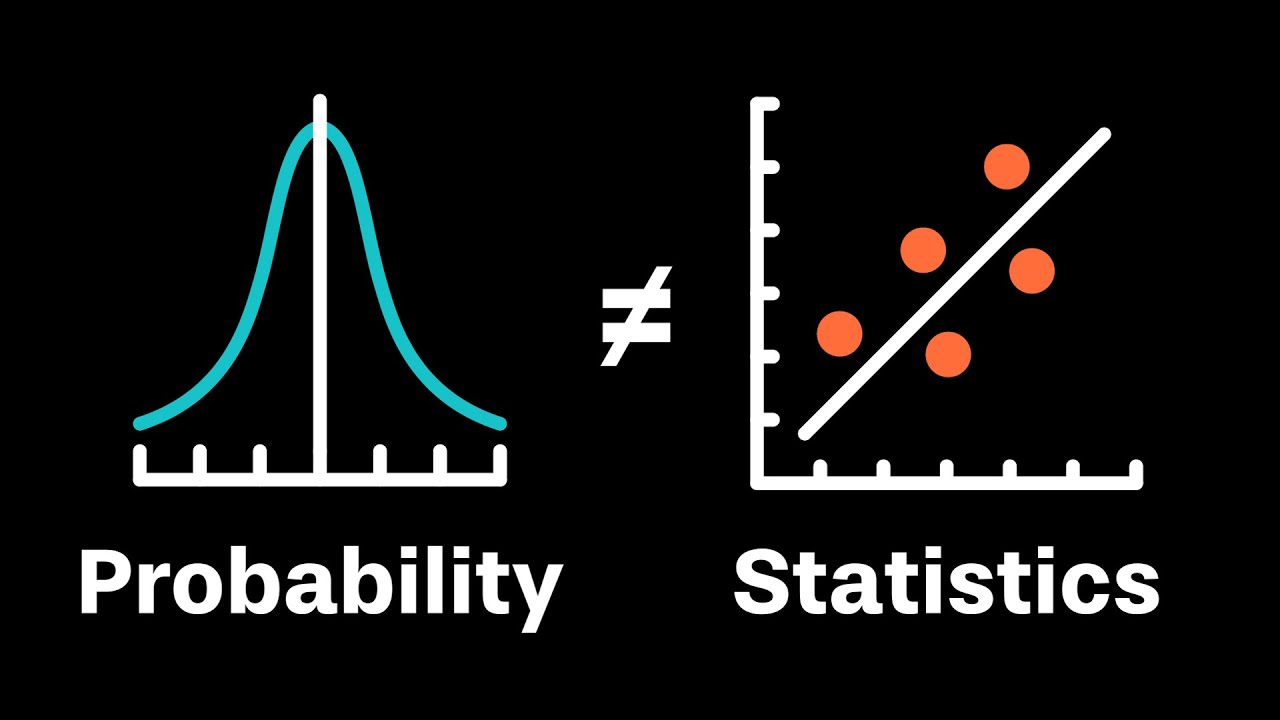
- Data science blends problem-solving and communication, not just algorithms.
- Real-world examples from space exploration highlight practical data application.
- Emphasizes the critical importance of "data care" before analysis.
Study This Video Deeper
Get an AI summary and ask questions about confusing parts in real-time.
Open in Querivo →Grasping the Building Blocks: Understanding Data Types and Sampling
Before we can crunch any numbers, we've got to understand what those numbers even are. This video is pretty instrumental in laying that foundation. You'll learn to differentiate between numerical and categorical data, and even their subtypes like discrete/continuous and ordered/non-ordered. This fundamental understanding is essential for selecting the appropriate statistical tests and visualizations. Honestly, you can't really do much meaningful analysis without this basic grounding.
And then there's sampling. Why is it so important? Well, analyzing an entire population is usually impossible or, at the very least, incredibly impractical. This tutorial clearly explains the difference between a population and a sample, and why working with samples is the standard practice in statistics. It's a fundamental concept that underpins almost every statistical method you'll encounter, from surveys to experiments. Learning how to draw representative samples is key to making valid inferences about a larger group.

- Distinguish between numerical and categorical data types for appropriate analysis.
- Understand the critical role of sampling in statistical analysis and why it's a necessity.
- Grasp the distinction between a population and a sample.
Separating Signal from Noise: The Power of Hypothesis Testing
Ever wonder if that pattern you're seeing in your data is a genuine trend or just a fluke? That's exactly what hypothesis testing is designed to figure out. This video tackles this core statistical technique by explaining how to distinguish between the 'signal' (the real patterns) and the 'noise' (randomness). It's a crucial skill for anyone looking to make reliable conclusions from their research, ensuring that your findings are statistically significant and not just due to chance.
You'll get a clear grasp of the null hypothesis – think of it as the skeptical baseline we're trying to disprove. The creator walks you through a straightforward four-step framework for hypothesis testing. And that p-value? It's explained wonderfully as a sort of 'fluke meter,' giving you a probability of observing your data if the null hypothesis were actually true. Pretty neat, right? Understanding this process is vital for making informed decisions based on data.

- Learn to identify real patterns versus random chance in data through hypothesis testing.
- Understand the null hypothesis as the baseline to be challenged.
- Grasp the p-value's role as a measure of the likelihood of data occurring by chance.
Simplifying Complex Calculations: Mastering the Assumed Mean Technique
Let's be honest, some statistical calculations can get pretty hairy, especially when you're just starting out or cramming for an exam. This video introduces a really clever technique—the assumed mean—that can dramatically simplify calculating things like the mean and standard deviation. It's one of those 'aha!' moments that makes statistics feel much more approachable and less intimidating.
The magic here is understanding how subtracting an assumed mean transforms your data. This transformation makes the numbers smaller and easier to work with. The best part? While it changes the actual data values, it doesn't alter the standard deviation, which is super handy for understanding variability. You'll see how this technique makes statistical analysis more efficient, saving you time and mental energy. Definitely worth checking out if you want to streamline your calculations and approach statistical problems with more ease.
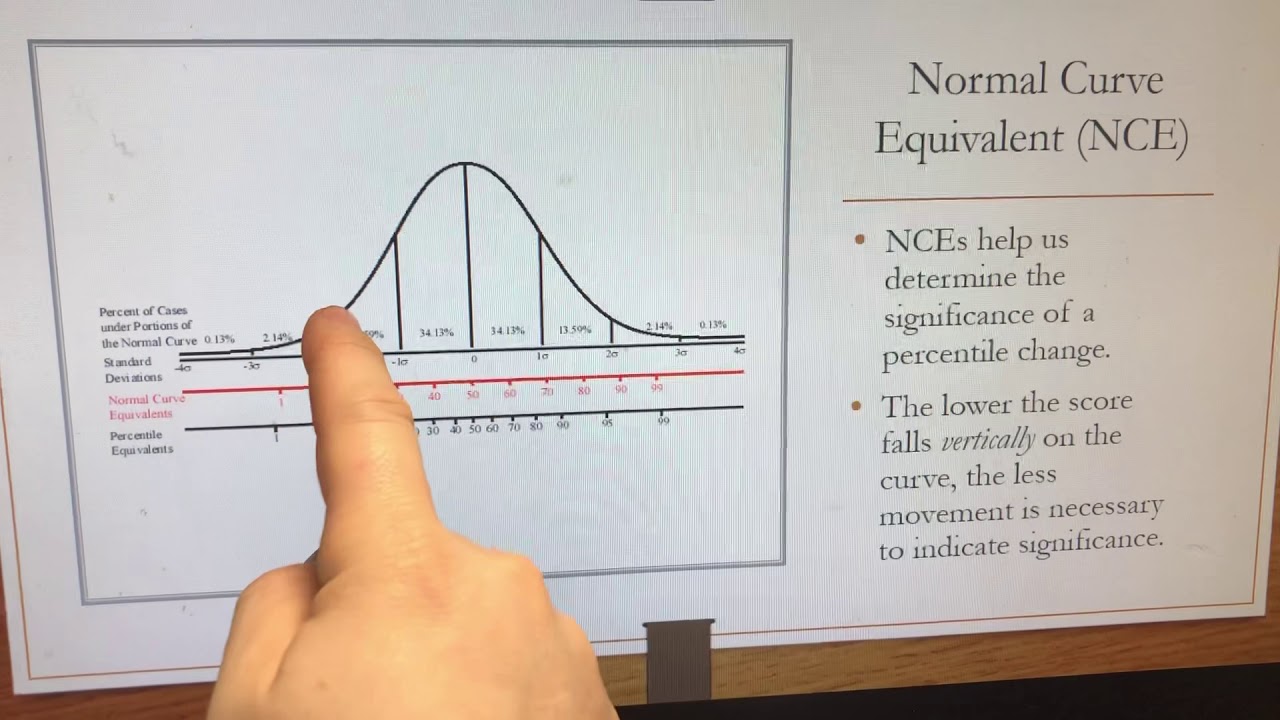
- Use the assumed mean technique to simplify complex statistical calculations.
- Transform data effectively by subtracting an assumed mean without losing key variance information.
- Streamline the process of calculating the mean and standard deviation.
Your Next Steps
To truly solidify your understanding, we recommend picking one video from above and watching it on Querivo. This platform allows you to get AI-generated summaries and ask questions directly about any confusing parts while you watch, all without interrupting your learning flow. By using the AI chat feature, you can clarify concepts instantly and deepen your comprehension. Make it a habit to return for more curated videos on the topics you want to master.
By breaking down complex statistical concepts into understandable components, these YouTube lessons empower beginners to confidently approach data analysis, hypothesis testing, and fundamental statistical principles. Mastering these basics is key to unlocking insights, making informed decisions in various fields, and building a robust foundation for any data-driven endeavor.
Turn Any YouTube Video into an Interactive Lesson
Paste any video link, get an instant AI summary, and ask questions in real-time.
Try Querivo Free →Related Videos You Might Enjoy
Looking for more perspectives on this topic? Here are some additional videos worth checking out:
Demystifying Data: Understanding Types and Sampling in Statistics | TechWizLab
This video provides a foundational understanding of statistics by explaining the two main types of data: numerical and categorical. It then delves into the concepts of population and sample, highlighting the practical challenges of working with entire populations and the necessity of using samples for statistical analysis.
Demystifying the Data
This video explains how statisticians differentiate real patterns from random noise using a four-step hypothesis testing framework. It introduces the concept of the null hypothesis as a skeptical baseline and demonstrates its application with examples of testing a single percentage and comparing data variances.
Demystifying Assumed Mean: Statistical Technique Explained | Statistics Tutorial
This video explains the statistical technique of assumed mean, demonstrating how subtracting an assumed mean from data simplifies calculations for mean and standard deviation. It emphasizes that the standard deviation remains unchanged regardless of the assumed mean used.

Demystifying Variables and Data
This video explains the fundamental concepts of variables and data types commonly encountered in medical research. It breaks down data into categorical (nominal and ordinal) and numerical (interval and ratio, discrete and continuous) categories, offering clear examples for each. The importance of classifying data for visualization and analysis, including the conversion of variables to binary data, is also highlighted.