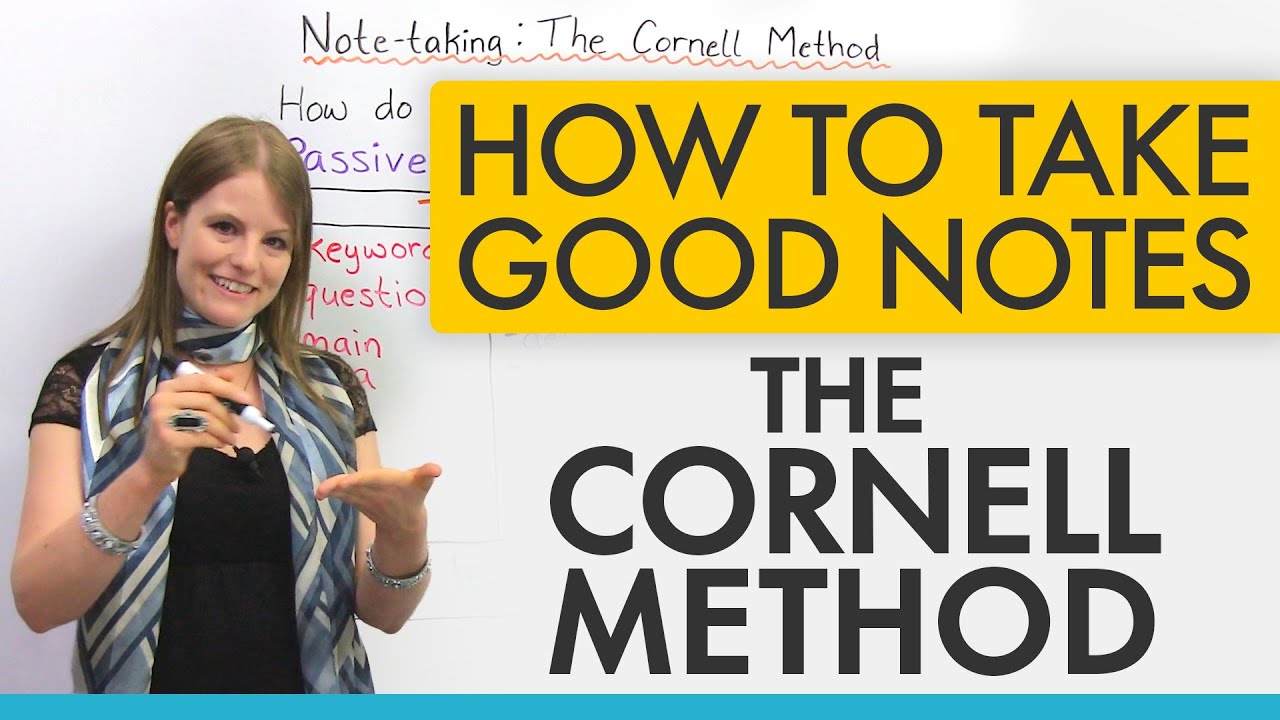

Feeling overwhelmed by lecture notes and struggling to retain information? There's a proven method to transform your note-taking from a passive activity into a powerful learning tool.
Key Takeaways
- 1Master the Cornell Notes system with these top YouTube videos.
- 2Learn to organize information for better study and work.
- 3Discover active learning techniques for enhanced comprehension.
- 4Implement practical strategies for improved recall.
- 5Achieve more efficient information processing.
Who this is for
- If you're a student drowning in lecture notes and seeking better retention strategies.
- If you're a professional looking to organize meeting minutes and key takeaways effectively.
- If you're anyone aiming to elevate their learning and information processing skills beyond basic note-taking.
Start Learning with AI-Powered Video Summaries
Get instant summaries, ask questions, and turn any video into an interactive study session.
Try Querivo Free →In today's information-rich world, efficient note-taking is no longer a luxury but a necessity for students and professionals alike. The Cornell Notes method offers a structured, active approach to organizing information, enhancing comprehension, and boosting recall. This article curates the most insightful YouTube tutorials to help you master this effective system. Discover how to implement the Cornell Notes method, understand its key components, and leverage its benefits for better study and work. We'll guide you through practical demonstrations and actionable tips from top educational channels.
Unlock Your Learning Potential with the Cornell Note-Taking Method
Feeling like your notes are just a jumble of words? This video by Jennifer DesRochers introduces the fundamental principles of the Cornell Note-Taking Method, and honestly, it's a game-changer for anyone who's ever felt lost in their own study materials. It breaks down the three core sections: the main Notes Area, the Cue Column, and the Summary Area. Understanding these components is the first step to transforming passive listening into active learning.
You'll learn how to actively engage with your material right from the start, by dividing your paper in a way that naturally encourages processing information as you receive it. This isn't just about writing things down; it's about setting yourself up for success later. The instructor really emphasizes how this structure inherently facilitates effective recall and makes test preparation feel much less daunting. It's a surprisingly simple setup that packs a serious punch for your study habits.
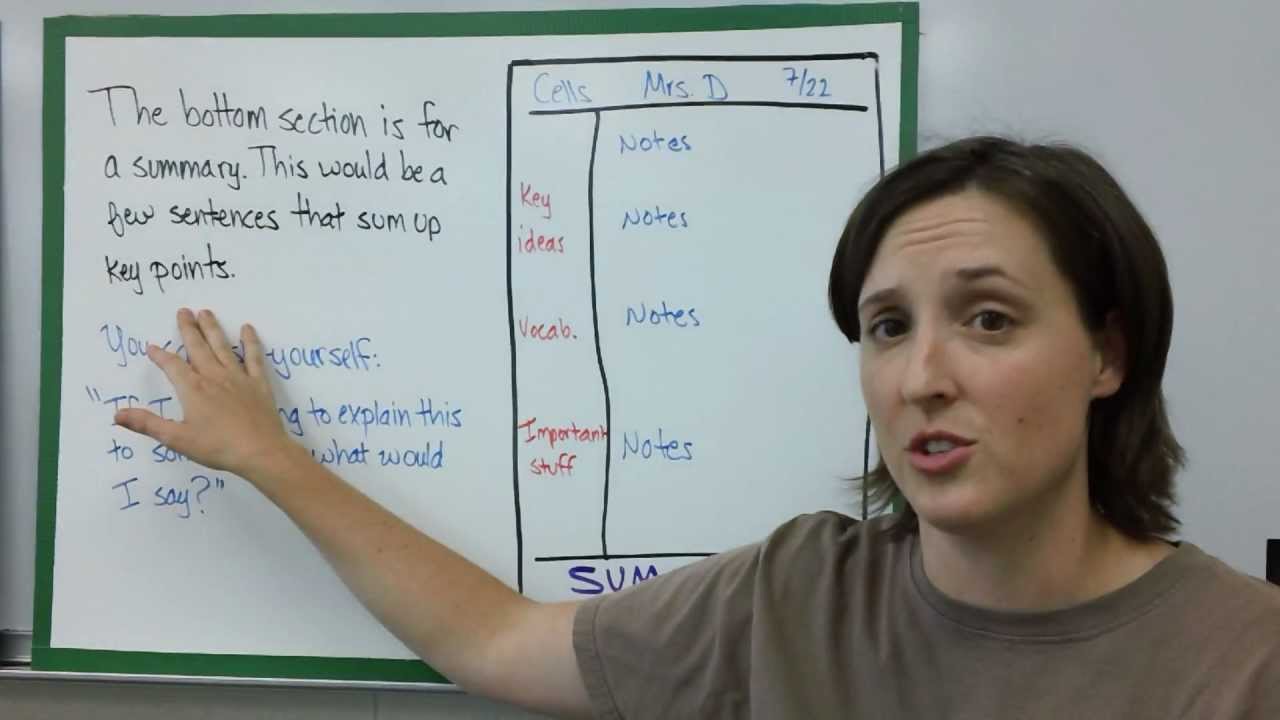
- The Cornell Notes method uses three key sections: Notes, Cues, and Summary.
- Actively divide your paper to engage with material during lectures or readings.
Mastering Information Organization for Deeper Understanding
Atomi's video dives deep into the practical layout of Cornell Notes, and you'll quickly see why segmenting information is so crucial for truly understanding it. This method isn't just about neatness; it’s about making complex subjects digestible by breaking them into manageable chunks. That’s the real secret sauce for better comprehension and, crucially, efficient revision later on.
You'll get a clear visual of how each section of the Cornell Notes layout serves a specific purpose – from keywords and main content to the all-important summary. The benefits of chunking information become really apparent here, making it so much easier for your brain to process and retain. Plus, you'll discover how the cue column transforms into your personal active recall tool, and how crafting that final summary becomes your ultimate revision shortcut. It's pretty solid advice for anyone looking to get more out of their study time.
- Visualize the Cornell Notes layout for keywords, main content, and summary.
- Use the cue column for active recall and effective note summarization.
Study This Video Deeper
Get an AI summary and ask questions about confusing parts in real-time.
Open in Querivo →From Lecture Hall to Long-Term Memory: Active Learning with Cornell Notes
Socratica really shines here, demonstrating the Cornell Note-Taking Method not just as a way to write things down, but as a genuine strategy for active learning. They walk you through the practical steps of dividing your paper, using those essential cues, and then underscore just how critical that post-class review and summarization really is for making information stick in your long-term memory. It’s a holistic approach that covers the whole learning cycle.
You’ll see a step-by-step demonstration of how to set up your paper correctly into the three Cornell note sections. The role of the cue column is explained brilliantly – it's your prompt for active learning, forcing you to think and recall. But the real takeaway? Recognizing that reviewing and summarizing after the lecture is where the magic happens for maximum retention. You can't just take notes and expect to remember everything; this video shows you the crucial follow-through.
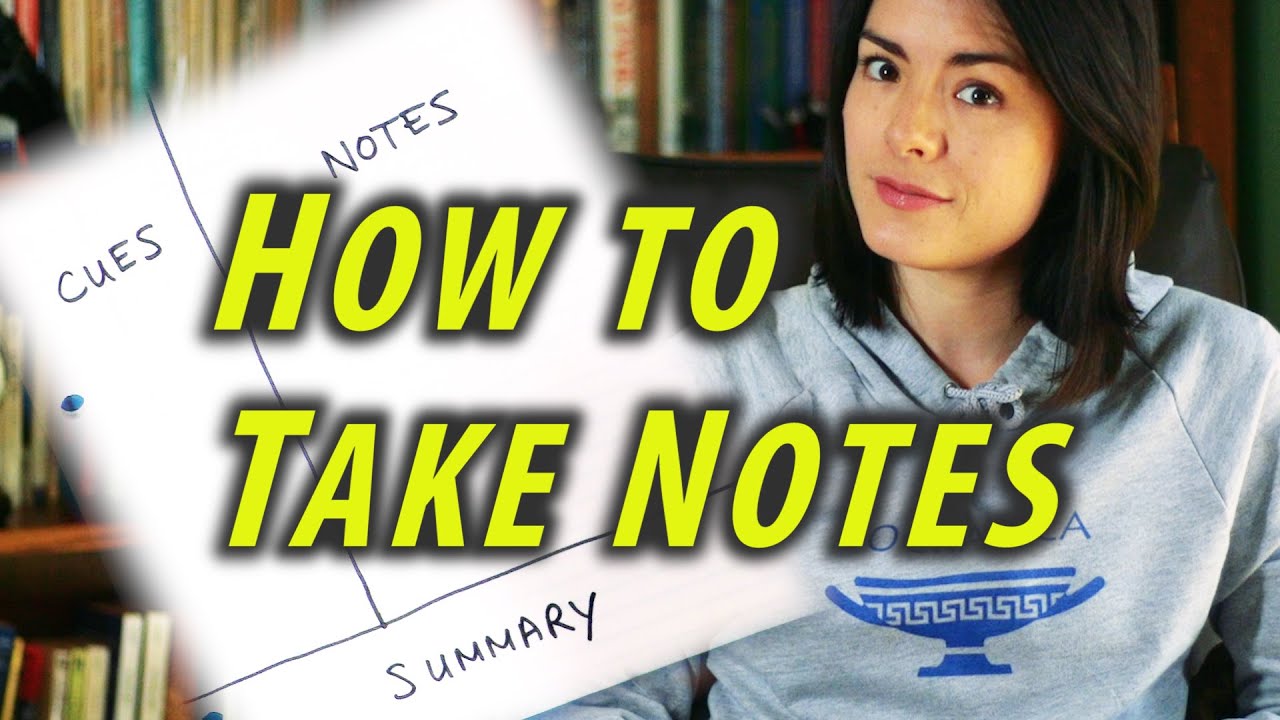
- Practical demonstration of dividing your paper for Cornell Notes.
- Review and summarize notes after class for maximum retention.
Harnessing Active Learning and Self-Testing for Superior Retention
Simon Flynn positions the Cornell Note-taking Method as a seriously powerful tool for active learning and, importantly, self-testing. This video delves into how you can use each section – notes, recall cues, and summary – to not only process information effectively but also to actively test your own comprehension. It’s about making your notes work for you, not just collecting them.
We get a deep dive into the structure: the notes themselves, the crucial recall cues you’ll create, and that all-important summary. Their functions are laid out clearly. You’ll learn how to rephrase and process information in your own words within the notes area, which is a key step in genuine understanding. Plus, the guidance on implementing self-testing techniques using the cue column is invaluable for pinpointing exactly what you know and what still needs work. It definitely stands out as a comprehensive guide.

- Utilize notes, cues, and summary sections for both learning and self-testing.
- Rephrase information in your own words and use cues to gauge understanding.
Your Next Steps
The Cornell Notes method is a versatile and powerful system that transforms passive note-taking into an active learning process, significantly improving information organization, comprehension, and retention. By structuring your notes with dedicated areas for recording, cues, and summarization, you equip yourself for more effective study and recall.
Your Action Items
- ☐Pick one video from above and watch it on Querivo
- ☐Ask questions and check summaries while watching without breaking your flow
- ☐Use the AI chat to clarify confusing parts and deepen understanding
- ☐Come back for more curated videos on topics you want to master
Ready to revolutionize your study habits? Start implementing the Cornell Notes method today! Grab a piece of paper, divide it according to the Cornell structure, and try taking notes in your next lecture or meeting. Experiment with the cue column for recall and dedicate time to summarizing your notes. For further exploration, check out our related videos below!
Turn Any YouTube Video into an Interactive Lesson
Paste any video link, get an instant AI summary, and ask questions in real-time.
Try Querivo Free →Related Videos You Might Enjoy
Looking for more perspectives on this topic? Here are some additional videos worth checking out:
How to study efficiently: The Cornell Notes Method
This video introduces the Cornell Notes Method, a highly effective note-taking system designed to improve learning and retention. It explains the structure of Cornell notes and how to use its different sections for active listening and efficient studying, contrasting it with less effective methods like typing notes verbatim.