
Feeling lost in the labyrinth of Spanish grammar? You're not alone. From tricky conjugations to nuanced pronoun usage, mastering Spanish grammar can feel like a daunting challenge for learners worldwide. But fear not! We've curated some of the most effective YouTube explanations to help you conquer common rules and tricky concepts with confidence. These resources break down complex topics into digestible lessons, offering clear explanations and practical examples that will significantly boost your comprehension and fluency.
Key Takeaways
- 1Your ultimate guide to mastering Spanish grammar online.
- 2Learn essential subjunctive rules and pronoun distinctions.
- 3Demystify common confusions like 'muy' vs. 'mucho'.
- 4Gain confidence with numbers, dates, and time.
- 5Unlock clearer, more fluent Spanish communication.
Who this is for
- If you're struggling with the complexities of Spanish verb moods,
- If you're trying to avoid common mistakes with words like 'lo' and 'le',
- If you're a beginner to intermediate Spanish learner looking for clear explanations,
Start Learning with AI-Powered Video Summaries
Get instant summaries, ask questions, and turn any video into an interactive study session.
Try Querivo Free →Conquer the Tricky Imperfect Subjunctive with 'WEIRDO'
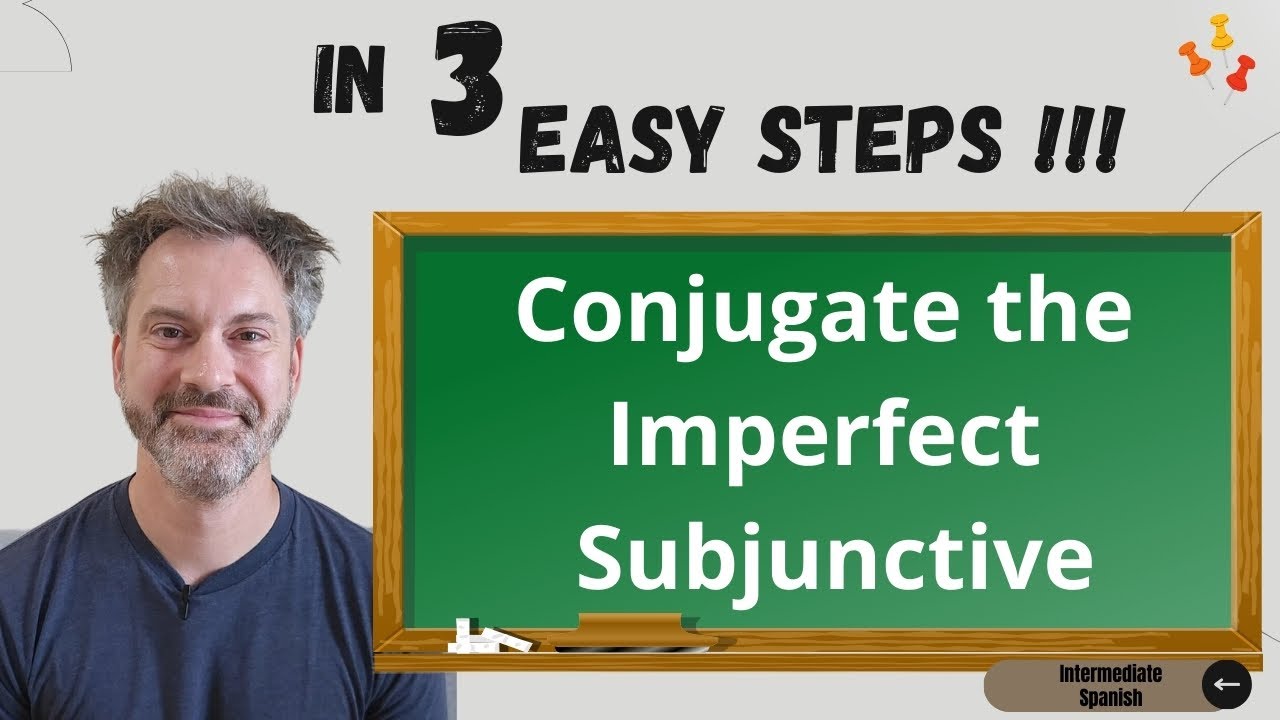
Navigating the Spanish subjunctive can feel like deciphering a secret code, especially when you encounter the Imperfect Subjunctive. This video offers a fantastic breakdown, showing you exactly how to build upon your present subjunctive knowledge and tackle new scenarios. It's pretty essential for anyone wanting to express past wishes, emotions, or hypothetical situations accurately. Understanding when and how to use the imperfect subjunctive is a significant step toward more sophisticated Spanish expression.
The core idea we'll explore is that for the subjunctive to kick in, you generally need two different subjects in play. This video masterfully uses the 'WEIRDO' acronym to help remember past subjunctive triggers: Wishes, Emotions, Impersonal Expressions, Recommendations, Doubt/Denial, and of course, 'Ojalá'. You'll also see how it helps differentiate between present and imperfect subjunctive use with 'Ojalá' and how to spot those crucial hypothetical situations introduced by 'Si'. It's a game-changer for understanding nuanced expressions. For practical application, try creating your own sentences using each trigger word and paying close attention to the subject changes required for the subjunctive mood.
- Understand the 'WEIRDO' acronym for past subjunctive triggers.
- Practice identifying hypothetical situations with 'Si' clauses.
Pinpoint Accuracy: Lo vs. Le Object Pronouns Explained
Ever mixed up 'lo' and 'le' in Spanish? You're definitely not the only one! This video from Tell Me In Spanish cuts through the confusion, explaining the fundamental difference between direct and indirect object pronouns. Getting this right is crucial because using the wrong pronoun can totally alter what you're trying to say. Mastering object pronouns will make your Spanish sound more natural and sophisticated, allowing for smoother sentence construction.
We'll dive into how 'lo' replaces direct objects (like el libro -> lo quiero) and 'le' replaces indirect objects (like a María -> le doy el regalo). The instructor offers super clear examples, pro-tips for identifying which is which in a sentence, and even a little quiz to test your newfound knowledge. A practical tip is to always identify the direct and indirect objects in your original sentence before attempting to replace them with pronouns. This will help train your brain to recognize their roles consistently. Learning this helps you sound so much more natural.
- Distinguish between direct ('lo') and indirect ('le') object pronouns.
- Practice identifying direct and indirect objects in sentences.
Study This Video Deeper
Get an AI summary and ask questions about confusing parts in real-time.
Open in Querivo →From 'Muy' to 'Mucho': Mastering Intensity and Quantity
Ah, the classic 'muy' versus 'mucho' conundrum. It's a common stumbling block for many Spanish learners, but this video makes it surprisingly easy to grasp. You'll learn that 'muy' is the drama queen of the Spanish language, always intensifying adjectives and adverbs – think muy bueno (very good) or muy rápido (very fast). Understanding this distinction is vital for accurate description and conveying the correct degree of intensity or quantity.
On the flip side, 'mucho' is more of an accountant, dealing with quantities of nouns or measuring the degree of actions. So, you'll have mucho dinero (a lot of money) or trabajo mucho (I work a lot). The video also touches on the grammatical agreement of 'mucho' with gender and number, and even a fun, informal structure you might hear. A great way to practice is to go through your own written Spanish and check if you've used 'muy' and 'mucho' correctly. Identifying the word they modify will be your key. Understanding this difference is key to expressing yourself precisely.
- Remember 'muy' intensifies adjectives/adverbs, 'mucho' quantifies nouns/actions.
- Practice using 'mucho' with correct gender and number agreement.
Unlock Fluent Spanish: Numbers, Dates, and Time Made Easy
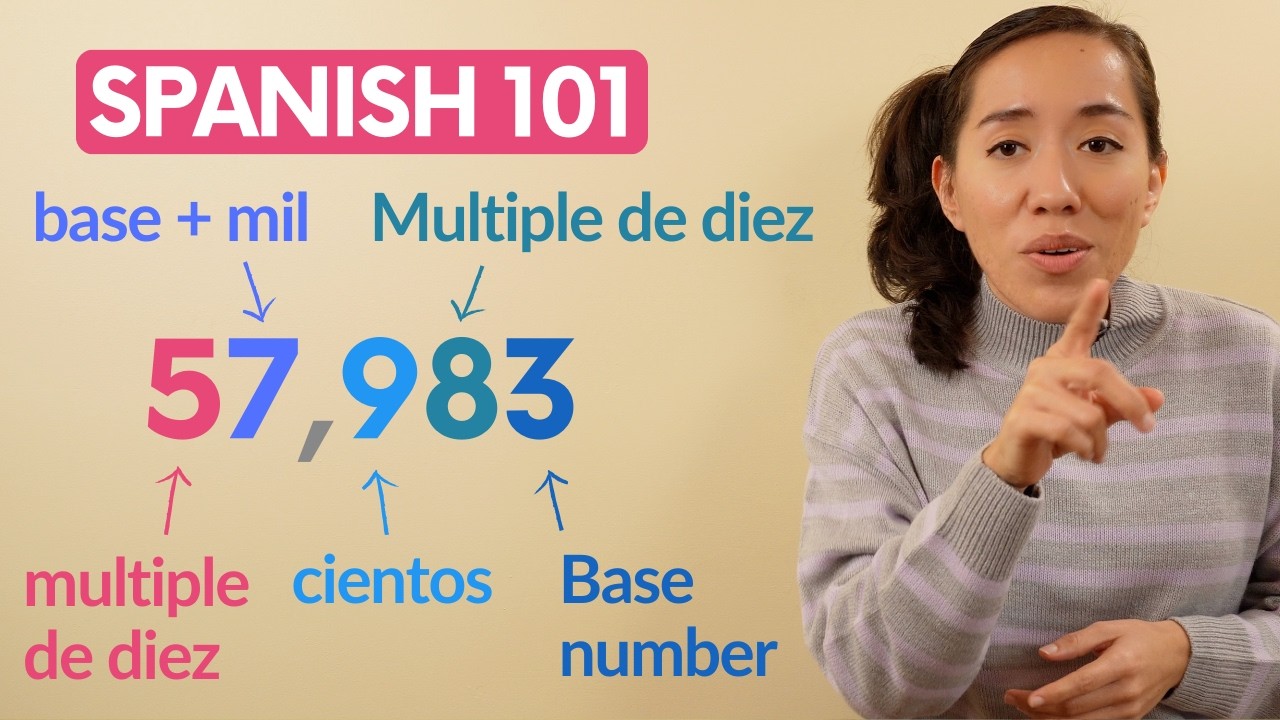
Being able to handle numbers, dates, and time confidently is a fundamental part of speaking any language. This video provides a really clear and structured approach to mastering these essential skills in Spanish. If you've ever felt flustered trying to say how old you are or what time it is, this is the resource for you. These are practical, everyday skills that will immediately boost your conversational abilities.
You'll learn the patterns for constructing numbers all the way up to 10,000, building on multiples of ten. Plus, it covers the crucial numbers 1-100 for a solid foundation. But it doesn't stop there; you'll also get practical guidance on telling time accurately and stating dates clearly. For effective practice, try setting reminders on your phone in Spanish, or mentally note the time and date throughout your day. This video is surprisingly helpful for building everyday communication skills.
- Practice constructing Spanish numbers from 1 to 10,000.
- Learn to confidently tell time and state dates in Spanish.
Your Next Steps
By leveraging these top YouTube explanations, you've gained clarity on essential Spanish grammar concepts, from the nuanced Imperfect Subjunctive and object pronouns to common confusions like 'muy' vs. 'mucho', and practical skills like mastering numbers. Consistent practice with these resources will build your confidence and accelerate your fluency. Remember, the key to mastering any language is consistent exposure and active practice. Don't just passively watch; actively engage with the material.
Your Action Items
- ☐Pick one video from above and watch it on Querivo
- ☐Ask questions and check summaries while watching without breaking your flow
- ☐Use the AI chat to clarify confusing parts and deepen understanding
- ☐Come back for more curated videos on topics you want to master
Ready to put these grammar lessons into practice? Start watching, take notes, and try to incorporate these rules into your daily Spanish conversations and exercises. The more you actively use what you learn, the more ingrained it will become.
Turn Any YouTube Video into an Interactive Lesson
Paste any video link, get an instant AI summary, and ask questions in real-time.
Try Querivo Free →Related Videos You Might Enjoy
Looking for more perspectives on this topic? Here are some additional videos worth checking out:
How Many of These 10 Spanish Grammar Mistakes Are You Making? [PART 1]
This video addresses common Spanish grammar mistakes made by English speakers, focusing on the correct usage of 'ser' vs. 'estar', gender agreement with nouns, adjective placement, distinguishing between 'por' and 'para', and the proper application of the subjunctive mood. It aims to help learners avoid errors and improve their fluency.
![How Many of These 10 Spanish Grammar Mistakes Are You Making? [PART 1]](https://img.youtube.com/vi/lJzPkBh_DG8/maxresdefault.jpg)
SPANISH GRAMMAR Crash Course: 4 Essential Tips for Beginners
This video provides four essential Spanish grammar tips for beginners, focusing on verb conjugation, grammatical gender, adjective agreement, and the correct usage of 'ser' and 'estar'. It aims to build a strong foundation for learners to jumpstart their journey into mastering Spanish grammar.
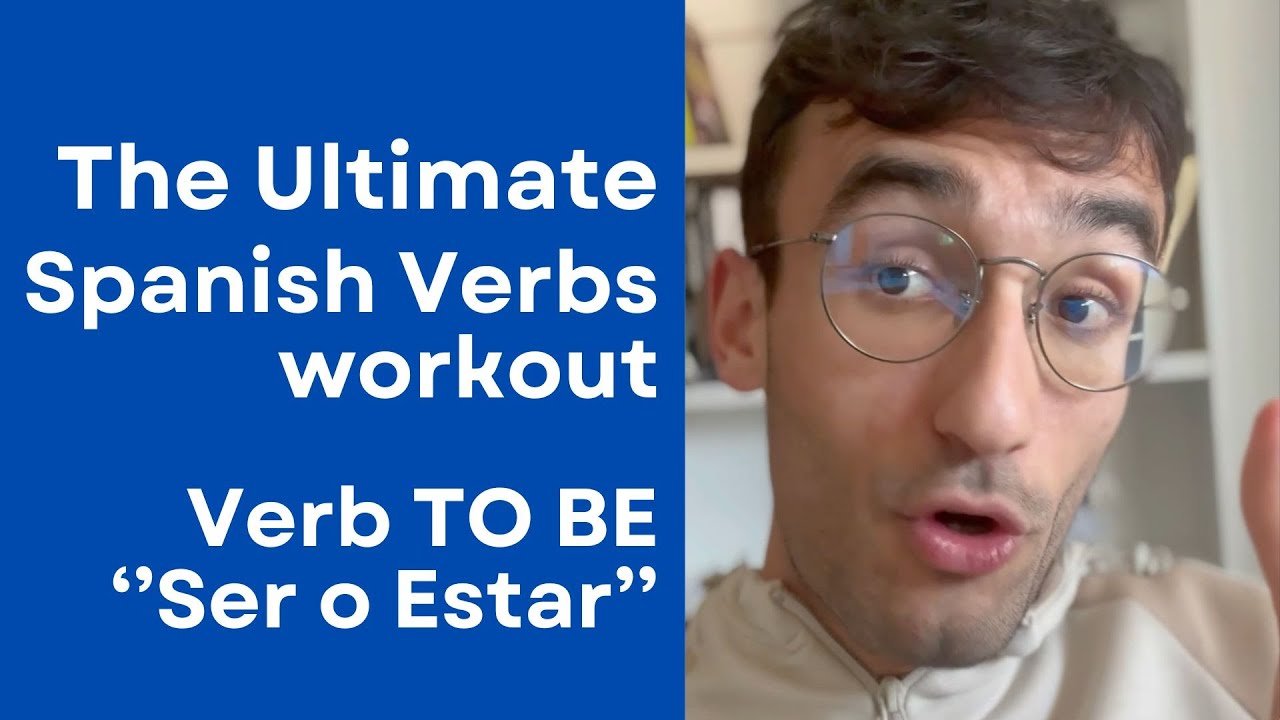
The Ultimate Spanish Verbs Workout. Conquering ''SER''. Verb ''To Be''
This video provides a comprehensive practice session for mastering the Spanish verb "ser" (to be). It guides viewers through listening, repeating, and reading sentences in the present, past, and future tenses, along with a practical dialogue to solidify understanding and application.
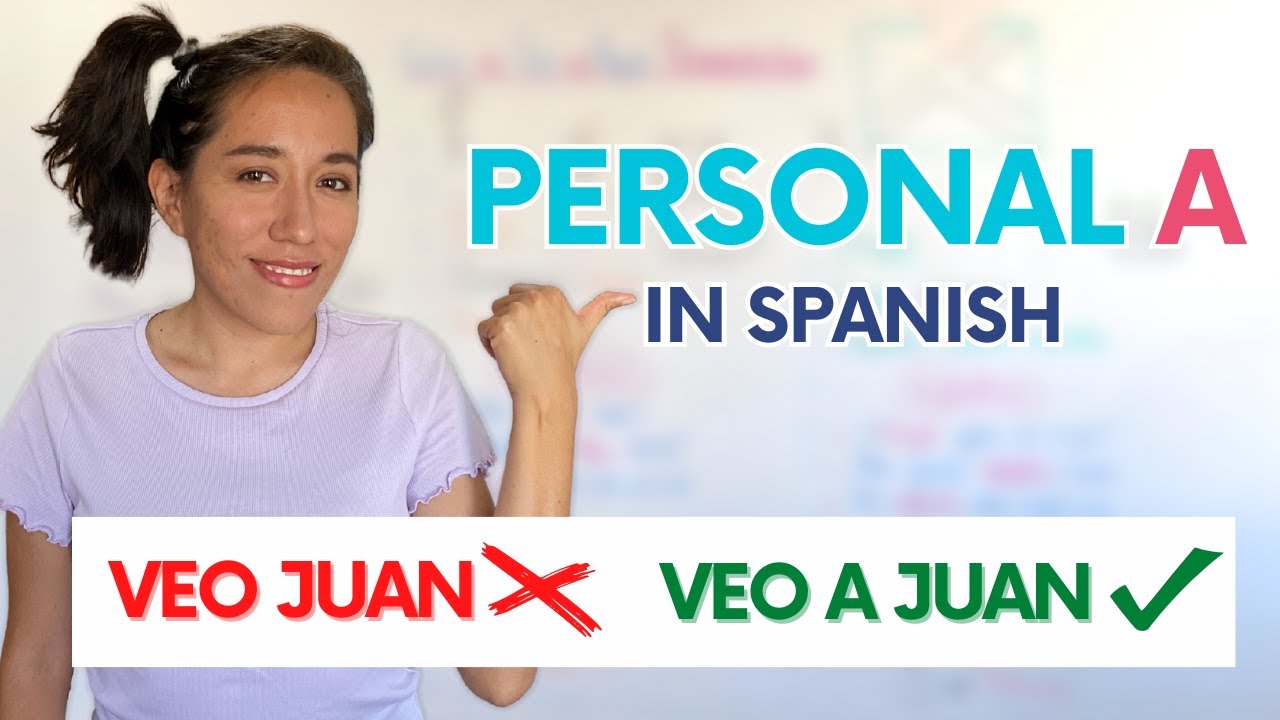
Personal 'A' in Spanish: What is it & How to Use it
This video explains the Spanish 'personal a' preposition, which is used before direct objects that refer to people, specific animals, or personified things. It clarifies when to use it, when not to use it (e.g., with places or general things), and provides examples of verbs that commonly trigger its use.
The “Leísmo” Quirk Spain Uses (But Latin America Doesn’t!)
This video explains the linguistic phenomenon of 'leísmo' in Spanish, where the indirect object pronoun 'le' is used as a direct object pronoun, primarily when referring to people. It contrasts this usage with standard Spanish and Latin American Spanish, highlighting that 'leísmo' is common in Spain but not generally used in Latin America.
Spanish
This video introduces the Pre-U Spanish course at Harris Westminster Sixth Form, highlighting its equivalence to A-levels but with greater flexibility and in-depth cultural exploration. It emphasizes the use of authentic materials, independent learning through portfolios, and prepares students for university-level study.
EXPAND Your SPANISH Vocabulary: Essential Words for Daily Conversations
This video provides essential tips and tricks to significantly expand Spanish vocabulary for daily conversations. It covers mastering prepositions, understanding inflections and verbs, utilizing filler words, and learning common suffixes and prefixes, along with practical strategies like using apps and setting daily word goals.
Spanish Learners: Master Numbers, Dates & Time in 1 Lesson
This video teaches Spanish numbers by breaking them down into easy-to-learn patterns. It covers numbers from 1 to 10,000, focusing on how to construct them using multiples of ten as foundations, and explains their application in telling time and stating dates.