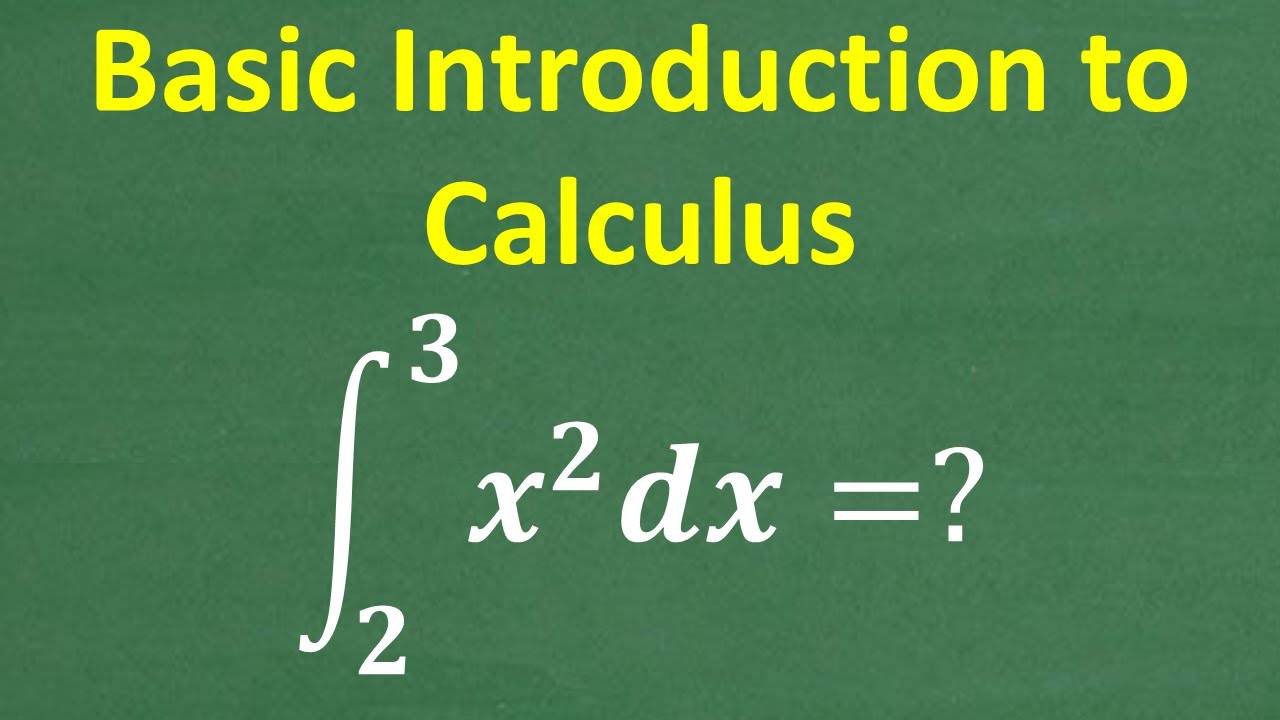

Staring down Calculus 1 and feeling overwhelmed by limits, derivatives, and integration? You're not alone. This foundational math course is often a hurdle for students, but understanding it opens doors to countless scientific and engineering fields.
Key Takeaways
- 1Master Calculus 1 concepts with top YouTube videos.
- 2Clearly grasp derivatives and their real-world uses.
- 3Understand limits as the bedrock of calculus.
- 4Build a solid foundation for advanced math.
- 5Conquer complex calculus ideas with confidence.
Who this is for
- If you're a high school or college student tackling Calculus 1,
- If you're looking for clear, visual explanations of derivatives,
- If you're seeking to build a strong conceptual understanding of calculus basics,
Start Learning with AI-Powered Video Summaries
Get instant summaries, ask questions, and turn any video into an interactive study session.
Try Querivo Free →Build Your Calculus 1 Foundation with a Quick Overview
Feeling lost already? This video is designed to give you the big picture, fast. It covers the absolute essentials of Calculus 1, from functions to limits, and all the way through derivatives and integration. Think of it as a speedy roadmap of what's ahead, perfect for getting your bearings.
We found this five-minute gem to be an incredibly efficient way to see how all the pieces of Calculus 1 fit together. It highlights the interconnectedness of functions, limits, and derivatives – concepts that might seem daunting on their own but form a cohesive whole. It's definitely the kind of jump-start you need if you're just beginning.
This isn't about deep dives, but about broad understanding. You'll get a foundational grasp of the entire subject, which really helps demystify the journey ahead. If you've got basic algebra down, you're pretty much ready for this.
- Get a bird's-eye view of all Calculus 1 topics in just 5 minutes.
- Understand the interconnectedness of functions, limits, and derivatives.
Visualize the Derivative: The Instantaneous Slope of a Curve
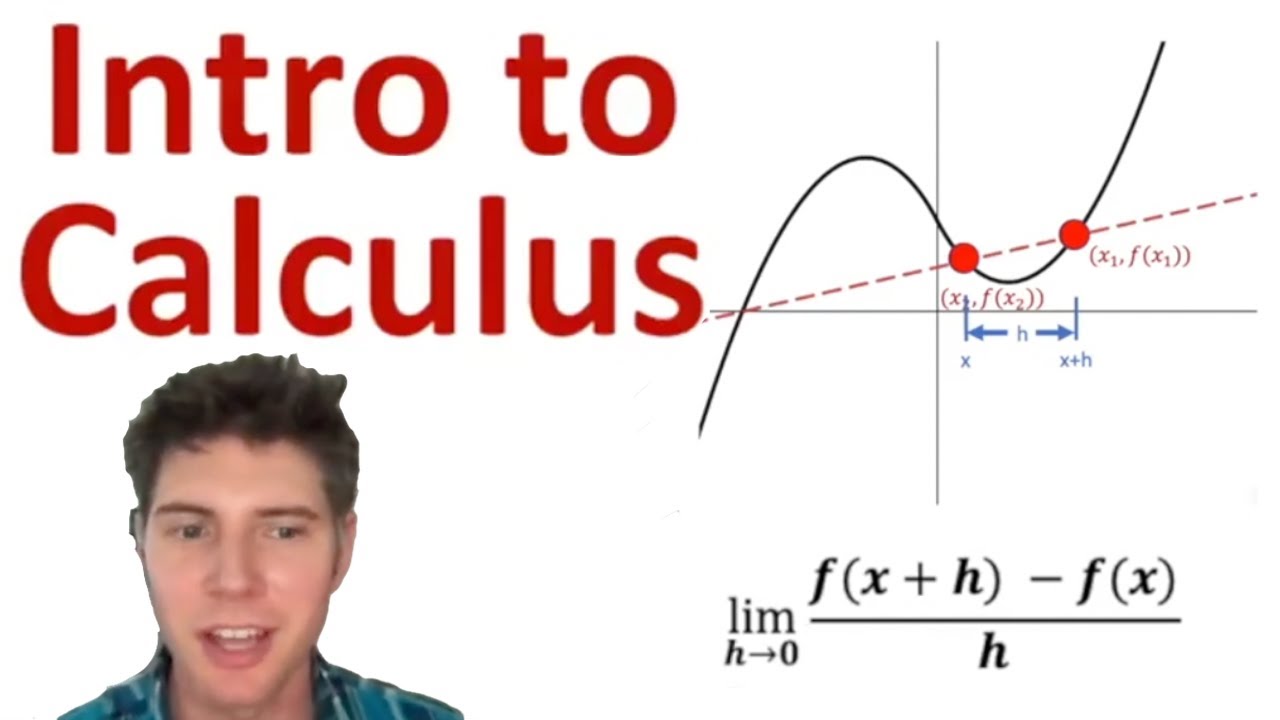
Ever wonder how we measure the steepness of something that's constantly changing? That's where derivatives come in, and this video makes it surprisingly visual. It breaks down how we take the idea of slope from a straight line and apply it to the curves you'll see all over Calculus 1.
We really appreciate how this tutorial walks you through the concept of instantaneous rate of change. You'll see how secant lines, which connect two points on a curve, lead us to tangent lines – the key to finding that exact steepness at a single point. It's all about understanding what happens when those two points get infinitely close, and that's where limits really shine.
The specific example of f(x) = x^2 is incredibly helpful. Watching the algebraic steps and seeing the corresponding graph makes the abstract idea of a derivative concrete. You'll definitely leave with a clearer mental image of what a derivative actually represents. This is a fantastic resource for anyone needing to learn derivatives calculus.
- Visualize derivatives as the instantaneous slope of a curve.
- See the connection between secant lines, tangent lines, and limits.
Study This Video Deeper
Get an AI summary and ask questions about confusing parts in real-time.
Open in Querivo →See the Big Picture: Calculus as the Mathematics of Change
Before diving too deep into formulas, it's crucial to understand why calculus exists. This video frames calculus not as a collection of rules to memorize, but as a powerful, fundamental language for describing change. It's a really insightful look at the subject's essence.
We love how the creator explores the very meaning of the word 'calculus' and its historical roots. Understanding that it's fundamentally about calculation and change helps reframe the entire subject. It's easy to get bogged down in the technicalities, but this video brings it back to the core concept: understanding how things evolve, move, and transform.
The brief mention of Newton and Leibniz adds a fascinating historical dimension, showing that calculus was a monumental leap in human understanding. For anyone starting Calculus 1 or feeling a bit disconnected from its purpose, this video offers that essential conceptual framework. It really helps you appreciate the big picture.
- Understand calculus as the essential study of change.
- Explore the historical context and core idea behind calculus.
Demystify Calculus: It's Simpler Than You Think
Here’s a perspective that might just blow your mind: calculus, at its heart, isn't some impossibly complex subject. This video argues that it's really just an extension of basic math principles, and it does a brilliant job of showing you why. If you've found calculus intimidating, this is the video that might just change your mind.
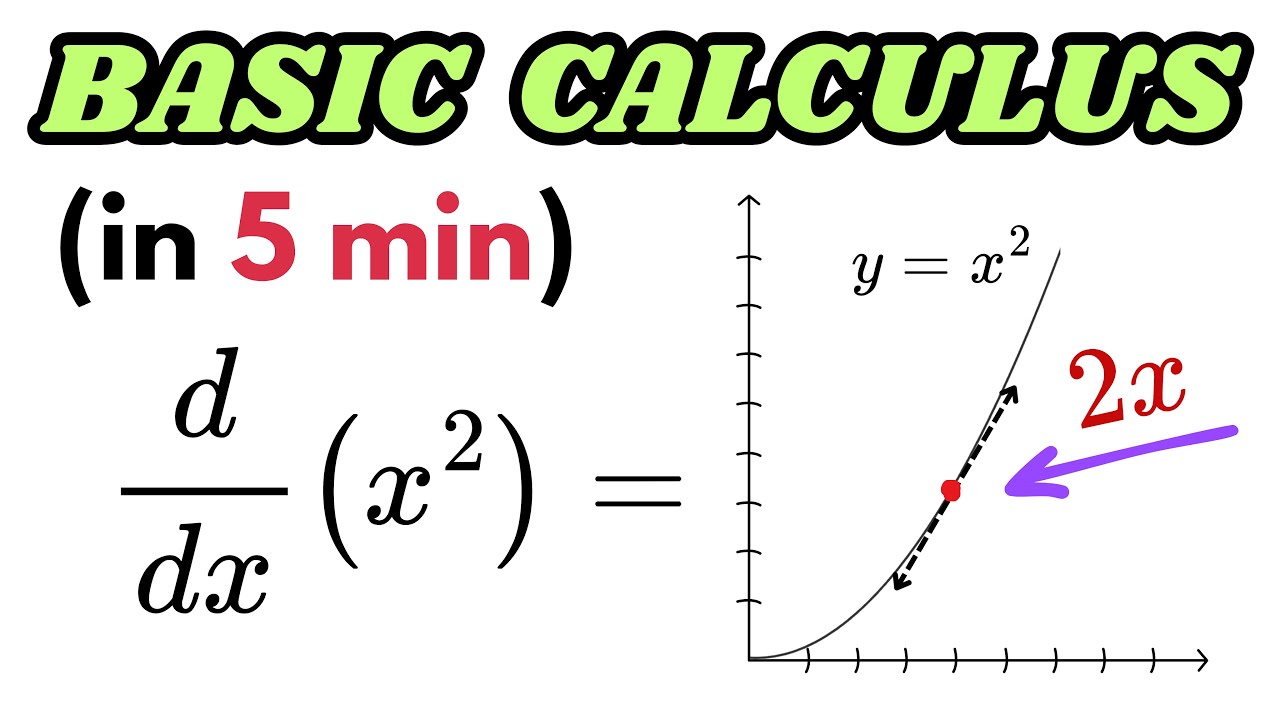
The explanation of the derivative as the instantaneous slope of a curve is particularly effective. You'll see how the idea of "zooming in" on a curve to make it look straight is the ingenious trick that makes complex change understandable. It breaks down the historical development, showing how brilliant minds used fundamental ideas to unlock the secrets of motion and change.
This approach really emphasizes the practical power of limits and derivatives. It’s not just abstract theory; it’s about having a tool that allows us to precisely measure and understand rates of change in the real world. For anyone looking for a simplified explanation of Calculus basics tutorials, this one is definitely worth checking out.
- See the derivative as a practical tool for understanding change.
- Appreciate how calculus builds upon fundamental mathematical concepts.
Your Next Steps
You've now explored four fantastic YouTube videos that break down Calculus 1's core concepts, from a rapid overview to visual explanations of derivatives and the overarching idea of calculus as the study of change. These curated resources provide a solid, accessible starting point for any student looking to master this essential subject.
Your Action Items
- ☐Pick one video from above and watch it on Querivo
- ☐Ask questions and check summaries while watching without breaking your flow
- ☐Use the AI chat to clarify confusing parts and deepen understanding
- ☐Come back for more curated videos on topics you want to master
Ready to conquer Calculus 1? Dive into these videos and start building your understanding today! By leveraging these visual and conceptual explanations, you'll find learning derivatives calculus becomes far more manageable and even enjoyable.
Turn Any YouTube Video into an Interactive Lesson
Paste any video link, get an instant AI summary, and ask questions in real-time.
Try Querivo Free →Related Videos You Might Enjoy
Looking for more perspectives on this topic? Here are some additional videos worth checking out:
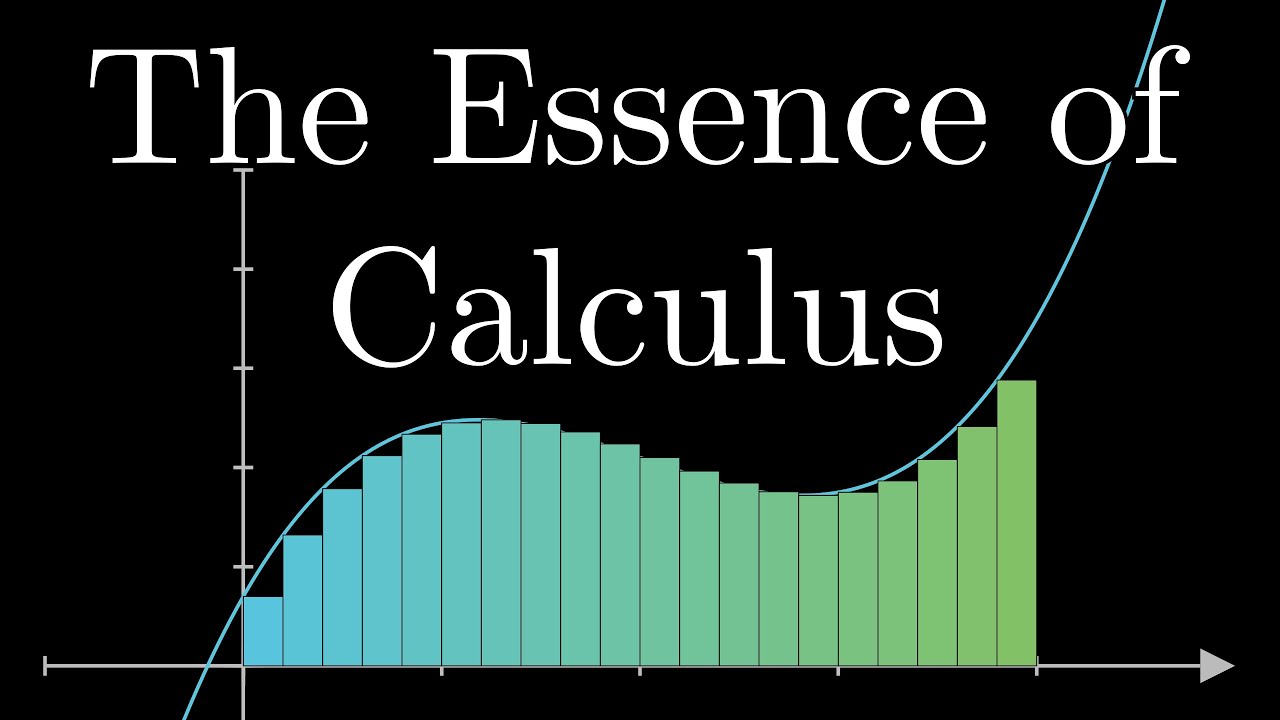
The essence of calculus
This video introduces the fundamental concepts of calculus by demonstrating how to derive the area of a circle formula. It visually explains how the idea of slicing the circle into concentric rings and approximating them as rectangles leads to the concepts of integration and the relationship between integrals and derivatives.
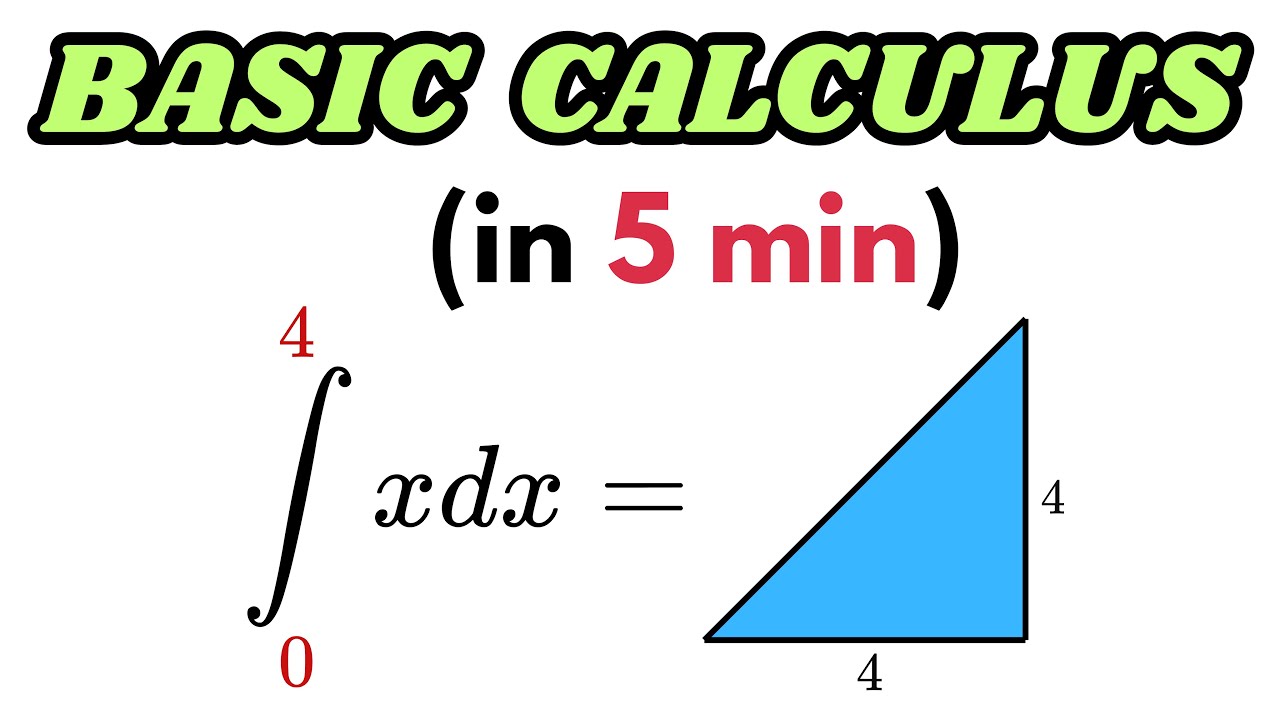
BASIC Math Calculus – Understand Simple Calculus with just Basic Math in 5 minutes!
This video explains the fundamental concept of integration in calculus by demonstrating how to calculate the area under a curve. It starts with the simple geometry of a triangle and then introduces calculus as a method to find areas of complex, curved shapes by approximating them with infinitely many tiny rectangles.
Calculus 1 Overview, (the connection between limit, derivative & integral)
This video provides an overview of Calculus 1, explaining that it's a study of change, focusing on differentiation and integration. It introduces these concepts by relating them to finding the slope of a tangent line and calculating the area under a curve, respectively, highlighting the fundamental connection between them via the Fundamental Theorem of Calculus.

BASIC Calculus – Understand Why Calculus is so POWERFUL!
This video introduces calculus by demonstrating its power in solving problems that basic geometry cannot, specifically finding the area of irregularly shaped figures. It explains that calculus achieves this by approximating areas with increasingly smaller rectangles, a process that leads to the concept of integration.